




More Than Just a Fruit
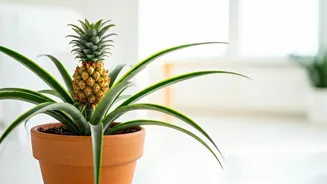
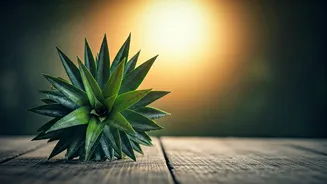
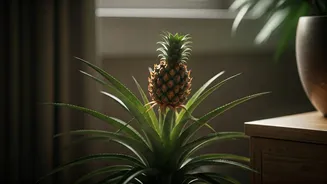
The pineapple plant (Ananas comosus) is a member of the Bromeliad family, known for its striking foliage and ability to thrive indoors. Its appeal goes far beyond the novelty of growing your own fruit. The plant itself is a structural marvel, with long,
sword-like green leaves spiralling out from a central core. This rosette formation creates a dramatic silhouette that can act as a living sculpture in your home. The life cycle itself provides the “drama”: a healthy plant will eventually send up a stalk from its center, which blooms with small purple flowers before developing into the iconic fruit. While many ornamental indoor varieties produce a fruit that isn't edible, the visual journey from flower to fruit is a slow-burning performance that unfolds over months.
Two Paths to Your Own Pineapple Plant
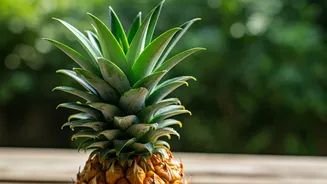
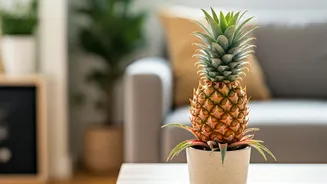
There are two main ways to bring this tropical beauty home. The quickest is to buy an established plant, often an ornamental variety, from a nursery or online store. These are ready to display and will give you an instant decorative boost. The more hands-on and arguably more rewarding method is to grow a new plant from the top of a store-bought pineapple. Simply twist the leafy crown off the fruit, peel away the lowest layers of leaves to expose the stalk, and let it dry for a couple of days to prevent rot. You can then place the base in a glass of water until roots, which look like small brown dots on the stalk, begin to sprout. Once the roots are a few inches long, it's ready to be planted in soil.
The Essentials of Care: Sun, Water, and Soil
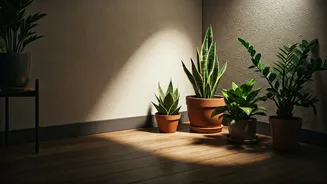
Pineapple plants are surprisingly resilient, but they have a few non-negotiable needs. First and foremost is light; they require at least six hours of bright, direct sunlight each day. A south-facing window is ideal. Without enough sun, growth will be slow and the plant is unlikely to ever produce a fruit. When it comes to watering, less is more. Overwatering is the most common cause of problems like root rot. Allow the top inch or two of soil to dry out completely between waterings. The plant should be in a pot with excellent drainage, using a fast-draining potting mix, such as one designed for cacti or succulents.
The Long Game: Patience and Propagation
Growing a pineapple is a lesson in patience. From planting a top, it can take two to three years for a plant to mature enough to flower and fruit. The fruiting process itself, from flower to ripe pineapple, can take another five to six months. It's important to know that pineapple plants are monocarpic, meaning each plant will only produce one fruit in its lifetime. But the drama doesn't end there. After fruiting, the mother plant will slowly begin to die back, but it will also produce offshoots, or "pups," around its base. These pups can be separated and potted up to start the entire process over again, giving you a continuous cycle of pineapple plants.
Avoiding Common Problems
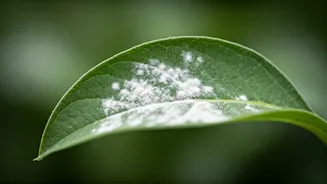
While generally hardy, pineapple plants can run into a few issues. Yellowing leaves are a classic sign of overwatering. If you see this, scale back your watering schedule immediately. Brown, crispy leaf tips can indicate under-watering or sun-scorch if the plant is exposed to excessively harsh direct sun without being acclimated. Pests like mealybugs and scale insects can sometimes appear, especially on indoor plants. These can often be managed with insecticidal soap or neem oil. The most serious issue is heart rot, where the center of the plant becomes mushy and smells bad due to water sitting in the crown combined with poor air circulation; this is usually irreversible.