





The Search for a Cleaner Celebration
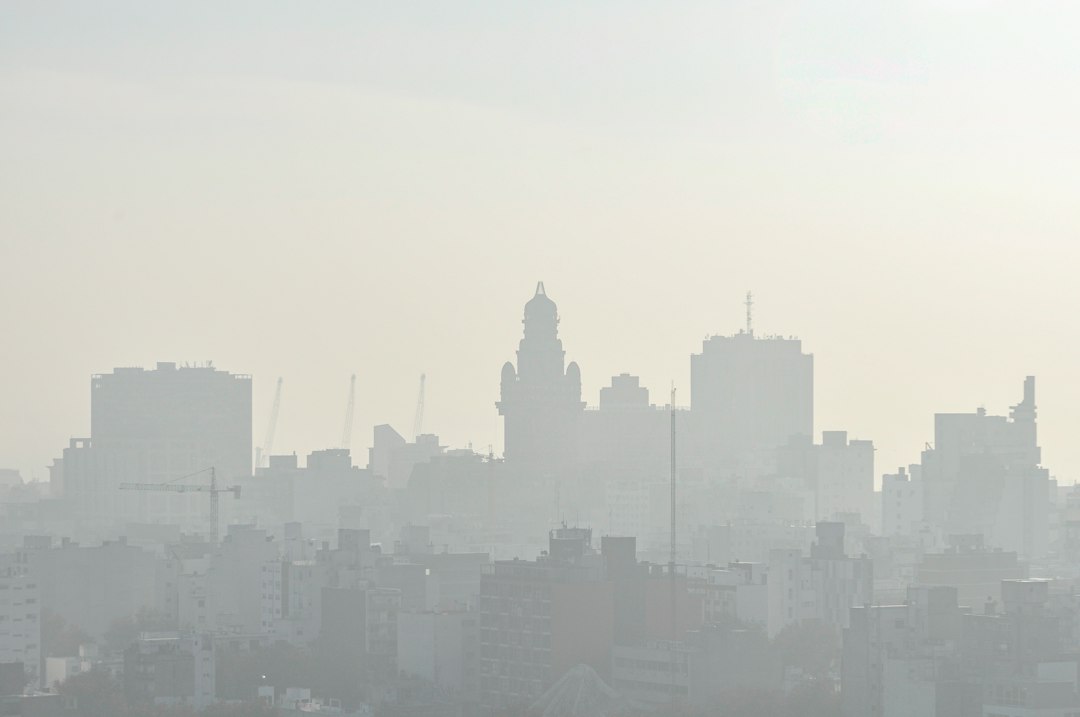
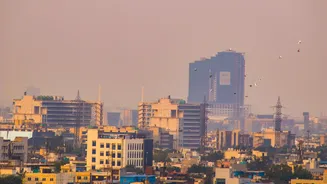
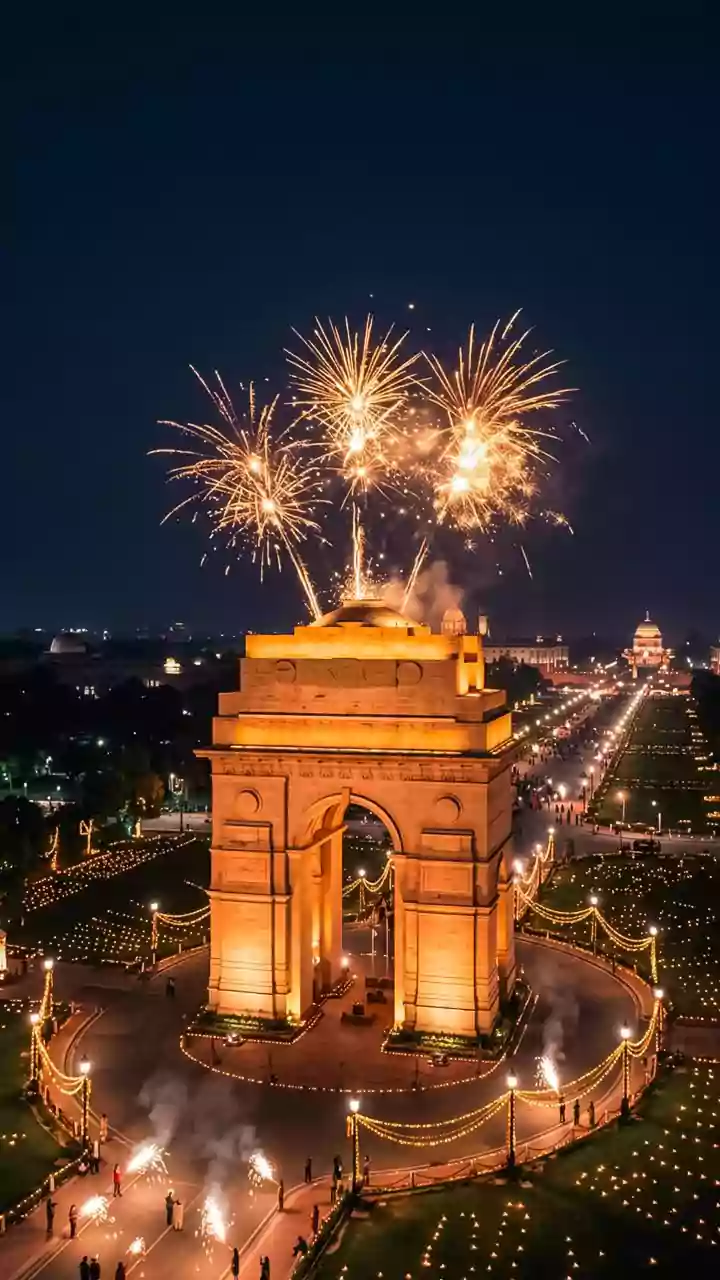
Every year, the festival of lights brings with it a shadow of concern. The joyous sounds and sights of firecrackers, a deeply embedded part of Diwali celebrations for many, are followed by days of thick, choking smog in several cities. Air Quality Index
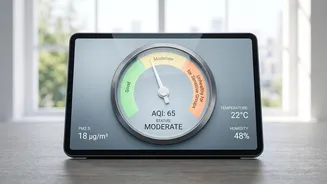
(AQI) levels often spike to 'severe' or 'hazardous' categories, particularly in northern India. This public health crisis, exacerbated by seasonal stubble burning and meteorological conditions that trap pollutants, prompted intervention from the Supreme Court and environmental bodies. The challenge was immense: how to address the alarming air pollution without completely extinguishing a cherished tradition and impacting the livelihoods tied to the massive firecracker industry. The proposed solution was 'green crackers', an attempt to strike a delicate balance between festivity and breathability.
What Makes a Cracker 'Green'?
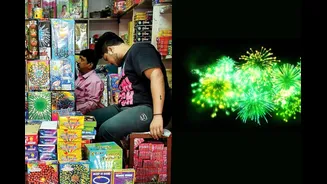
Developed by the Council of Scientific and Industrial Research-National Environmental Engineering Research Institute (CSIR-NEERI), green crackers are not pollution-free, but are designed to be less harmful. Their formulation is different from traditional crackers, which often contain hazardous heavy metals like barium nitrate, lithium, and arsenic. Green crackers use alternative chemical compositions to reduce particulate matter (PM) emissions by at least 30%. There are three main types developed by CSIR-NEERI: SWAS (Safe Water Releaser), which releases water vapour to suppress dust; STAR (Safe Thermite Cracker), which has reduced particulate matter; and SAFAL (Safe Minimal Aluminium), which uses less aluminium. To be considered genuine, these crackers must have the official CSIR-NEERI logo and a QR code for verification.
The Rules of Engagement
In response to the pollution crisis, authorities have implemented a framework of rules. The Supreme Court, in various rulings, has banned conventional, highly polluting firecrackers and restricted the sale and use to only certified green crackers. In many regions, particularly the Delhi-NCR, strict time windows are enforced for bursting crackers, often limited to a couple of hours in the evening on Diwali day. These regulations aim to control the intensity of emissions by limiting both the type and duration of firecracker use. The directives place the responsibility of enforcement on local authorities, who are tasked with preventing the sale of illegal fireworks and ensuring the public adheres to the time restrictions.
Reality on the Ground: Challenges and Loopholes
Despite the regulations, the impact on air quality has been inconsistent. Post-Diwali AQI data from recent years shows that pollution spikes, while perhaps mitigated, still occur and often reach 'very poor' or 'severe' levels. Several factors undermine the effectiveness of the green cracker rules. A major issue is enforcement. Counterfeit or banned traditional crackers continue to flood the market, often sold illegally. For consumers and even law enforcement, distinguishing a genuine green cracker from a fake one can be difficult. Furthermore, there's a behavioural challenge. Some people feel that because the crackers are 'green', it is acceptable to burst more of them, potentially negating the per-cracker reduction in emissions. Price is another barrier, as certified green crackers can be more expensive than their traditional counterparts, dissuading some buyers.
An Ongoing Search for Balance
The push for green crackers represents a significant cultural and environmental negotiation. It reflects a growing awareness of the public health cost of celebrations, but also acknowledges the sentimental and economic importance of the firecracker tradition. Experts caution that even a 30-40% reduction in emissions from one cracker does not equate to clean air when millions are burst simultaneously in dense urban areas. The transition is far from seamless. Public awareness is growing, with many customers now specifically asking for green variants, but the supply chain, pricing, and regulatory enforcement are still catching up. The journey towards a truly clean and safe Diwali continues, with green crackers being a complicated first step rather than a final destination.