







Why Monsoon Wreaks Havoc on Air Travel
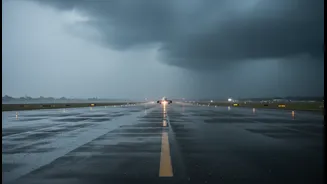
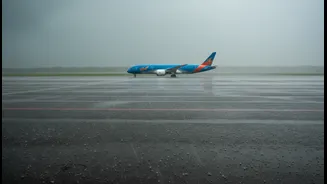
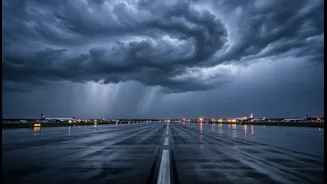
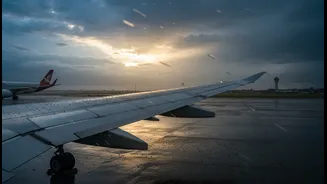
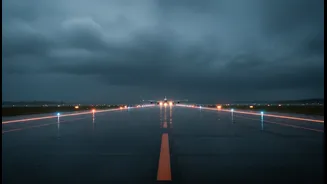
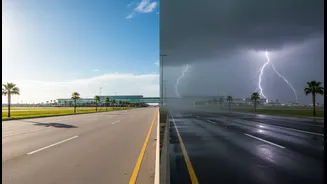
The familiar sight of rain-lashed airport windows often translates into a cascade of travel problems for reasons that go beyond just a simple downpour. The primary culprits are dangerously low visibility, strong and unpredictable crosswinds, and thunderstorms.
These conditions make take-offs and landings unsafe, forcing air traffic control to slow down the pace of operations. For instance, heavy rains in early July 2026 forced a temporary runway suspension at Mumbai's airport due to gusty winds and poor visibility. Furthermore, waterlogging on runways can reduce braking effectiveness, adding another layer of risk. When a major hub like Mumbai or Delhi experiences disruptions, it creates a domino effect across the entire country, as aircraft and crew are thrown off their schedules, leading to delays and cancellations even in cities with clear weather.
The Current Situation: A Familiar Story
This year is proving to be no different. In the first week of July 2026, heavy monsoon rains have already caused significant disruptions at India’s busiest airports. On July 6th, Mumbai airport reported 17 cancellations and over 200 delays by midday due to incessant rain. The day before, it was reportedly the most disrupted airport globally. Delhi airport also faced major issues, with 15 flights being diverted to Lucknow and Jaipur due to severe weather. In response, major airlines like IndiGo, Air India, and Akasa Air have issued advisories, urging passengers to check their flight status before heading to the airport and to allow extra time for their commute due to waterlogging and traffic snarls.
Know Your Rights: What Airlines Owe You
While airlines are not required to provide financial compensation for delays and cancellations caused by bad weather—which is considered an 'extraordinary circumstance'—they are not off the hook entirely. According to the Directorate General of Civil Aviation (DGCA), airlines have a duty of care to passengers. If your flight is delayed for more than two to four hours (depending on the flight length), you are entitled to free meals and refreshments. For longer, overnight delays, the airline must provide hotel accommodation and transport. In case of a cancellation, regardless of the reason, the airline must offer you the choice of a full refund or an alternative flight. It is crucial to hold on to your boarding pass and any communication from the airline regarding the disruption.
How to Outsmart Monsoon Travel Woes
While you can't control the weather, you can adopt a smarter travel strategy to minimise the pain. First, book morning flights where possible. Thunderstorms and heavy showers tend to build up in the afternoon and evening, and early flights are less susceptible to cascading delays from earlier in the day. Second, build a buffer into your schedule. Avoid scheduling important meetings or events on your arrival day and allow at least three to four hours for connections. Third, pack smart. Keep a change of clothes, essential medicines, and a power bank in your cabin baggage in case your flight gets diverted or your checked luggage is delayed. Finally, always monitor your flight status through the airline’s app and purchase travel insurance that covers weather-related disruptions for extra peace of mind.