






The Unrefined Difference
Before exploring the specific oils that define India’s diverse food map, it’s important to understand what makes cold-pressed oils so special. Unlike modern refined oils, which are extracted using high heat and chemical solvents like hexane, cold-pressed oils are produced
through a simple, mechanical process. Seeds or nuts are crushed at low temperatures, a method traditionally known as 'kachi ghani' or 'marachekku'. This gentle extraction preserves the natural flavour, aroma, and nutrients of the source ingredient. While refined oils are neutral, odourless, and stripped of their character, cold-pressed oils taste and smell like the seed they came from. This single distinction is the key to unlocking the authentic flavours that have been cherished in Indian kitchens for centuries.
The Pungent Heart of Eastern India
No discussion of regional oils can begin without mentioning mustard oil, the soul of Bengali and Eastern Indian cooking. Its sharp, pungent aroma and flavour are unmistakable and absolutely essential for classic dishes. Think of 'shorshe ilish' (hilsa fish in mustard gravy) or the everyday 'aloo posto'; making them with any other oil would be unthinkable for a traditionalist. The pungency of cold-pressed mustard oil doesn't just add a kick; it complements the region's freshwater fish and vegetables, creating a robust and layered taste profile. It’s also a natural preservative, which is why it has been the oil of choice for making pickles across North and East India for generations.
The Soul of the Southern Coast
Travel down to the coastal regions of South India, particularly Kerala and Tamil Nadu, and the culinary landscape changes dramatically, scented with the sweet, nutty aroma of coconut oil. Here, coconut is not just an ingredient but a foundation of the cuisine. Cold-pressed coconut oil is used for everything from tempering spices for a sambar to frying banana chips to a perfect crisp. Its mildly sweet flavour profile beautifully balances the heat of red chillies and the earthiness of curry leaves in dishes like 'avial' (mixed vegetables in a coconut gravy) or a simple 'thoran' (stir-fried vegetables). Drizzling raw coconut oil over a finished dish is a common practice, adding a final layer of aroma that instantly signals a taste of the coast.
The Nutty Foundation of the West
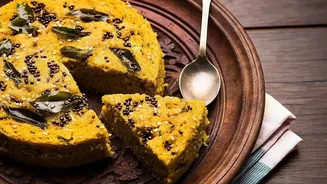
In the western states of Gujarat and Maharashtra, the traditional cooking fat is groundnut oil, also known as peanut oil. With its mild, nutty undertone, it serves as the perfect canvas for the region's diverse vegetarian cuisine, which balances sweet, sour, and spicy notes. From frying snacks like 'fafda' and 'batata vada' to being the base for the tempering ('tadka') in 'khati meethi dal', groundnut oil provides a clean flavour that enhances rather than overpowers the other ingredients. Its relatively high smoke point also makes it a versatile, all-purpose oil for the everyday 'shaak' (vegetable dishes) and 'farsan' (savoury snacks) that are staples in Gujarati and Maharashtrian homes.
An Earthy Staple of the South
While coconut oil reigns on the coast, sesame oil, known as 'gingelly' or 'nallennai' (literally 'good oil' in Tamil), is the cornerstone of cuisine in Tamil Nadu and Andhra Pradesh. With a deep, earthy, and nutty flavour, it has a character distinct from all other oils. It is the defining taste in dishes like 'puliyogare' (tamarind rice) and 'ellu sadam' (sesame rice). The oil is also the traditional choice for making 'idli podi' paste and for tempering countless curries and 'kootus' (lentil and vegetable stews). Beyond its flavour, sesame oil has deep cultural and Ayurvedic significance, valued for its warming properties and its role in temple and festive cooking.