


The Invisible Contaminants in Your Water
Microplastics are tiny plastic particles less than five millimetres in diameter, and they have become worryingly widespread in our environment. Originating from the breakdown of larger plastic items, synthetic fibres from clothing, and additives in personal
care products, these particles are now found in our oceans, soil, and even our drinking water. While the full, long-term impact on human health is still under investigation, the potential for these particles to accumulate in the body and cause harm is a significant global concern, driving scientists to find effective ways to remove them.
An Unlikely Hero: From Agricultural Waste to Water Purifier
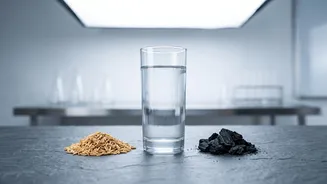
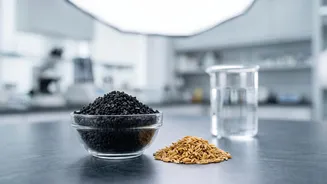
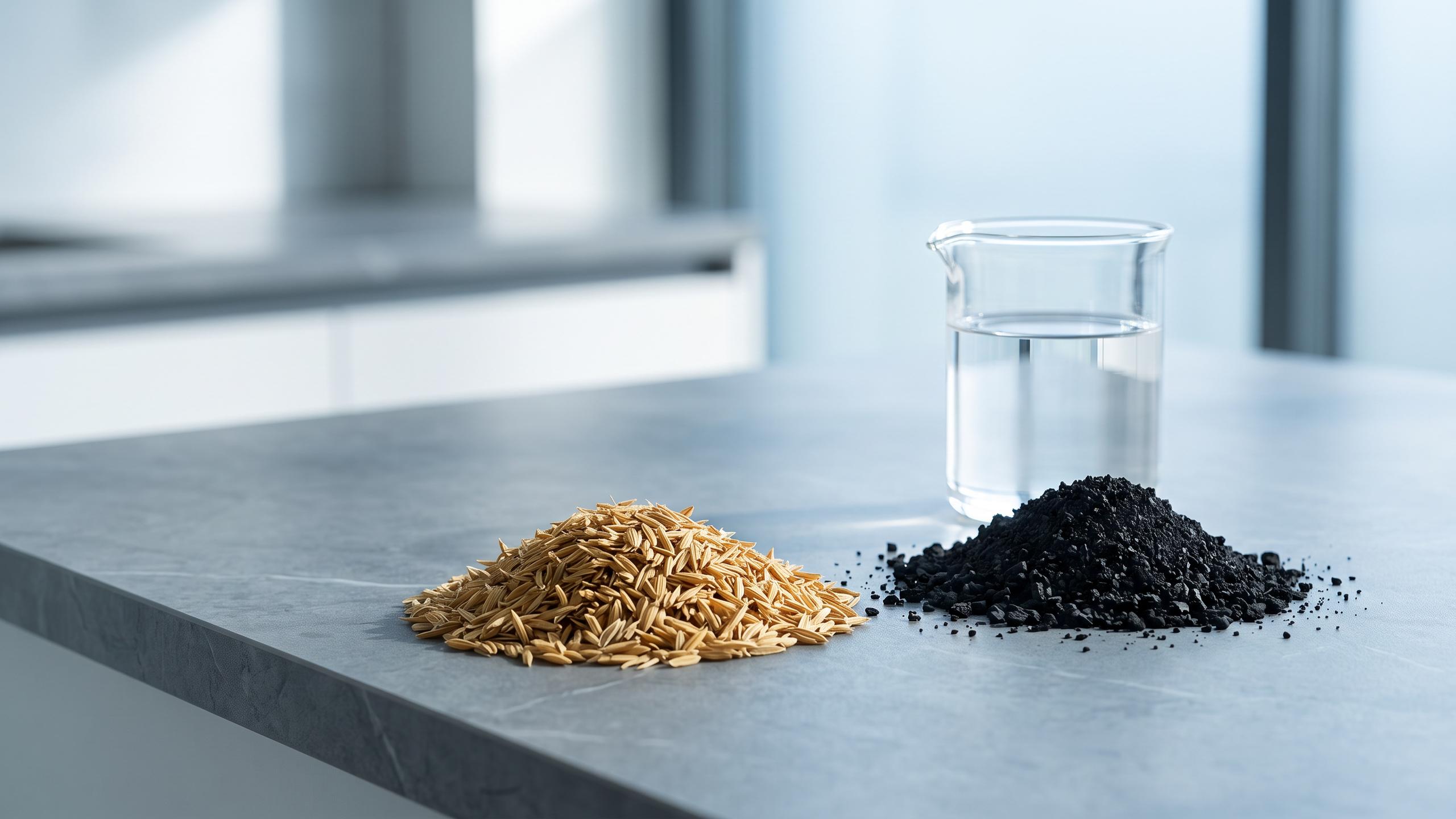
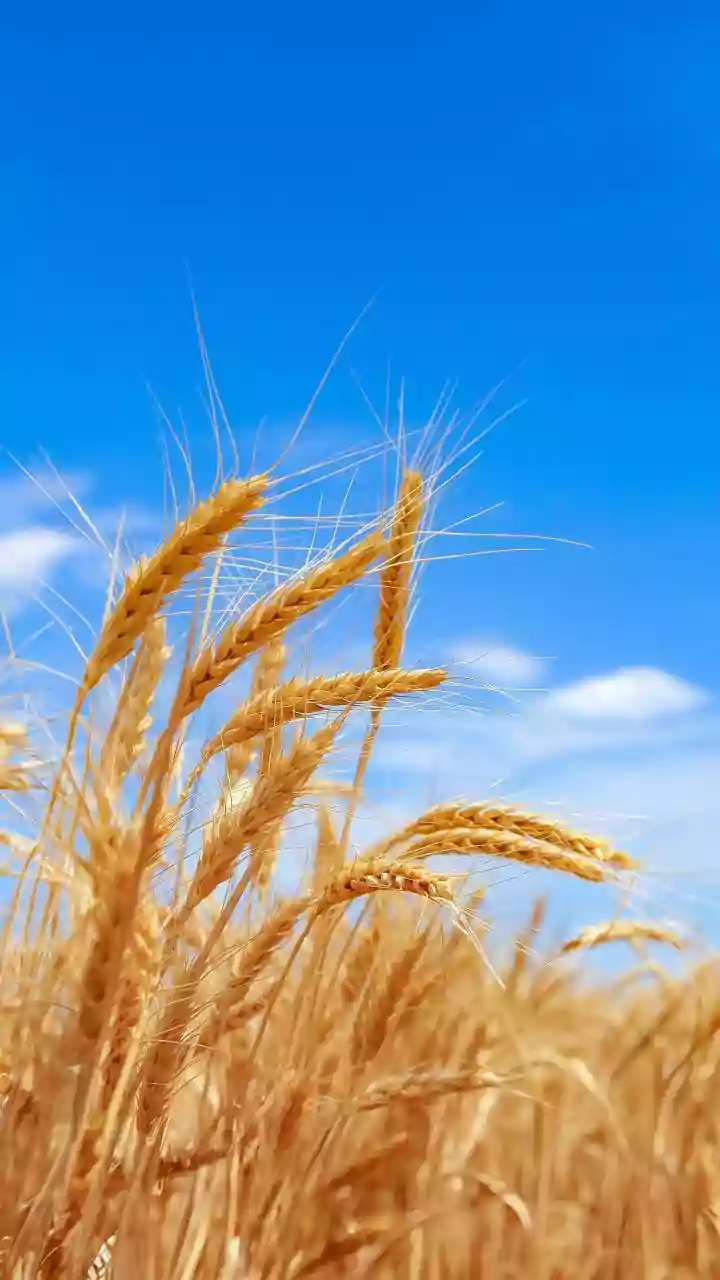
The solution may lie in a concept known as the circular economy, which focuses on reusing and repurposing waste materials. In this case, the hero is the rice husk, the protective outer shell of a rice grain. As one of the world's most abundant agricultural by-products, especially in India, rice husks are often discarded or burned, contributing to air pollution. However, a process called pyrolysis can transform this waste into a valuable material known as biochar. This sustainable approach not only provides a use for agricultural residue but also creates a powerful tool for environmental cleanup.
Creating Biochar: A Simple Transformation
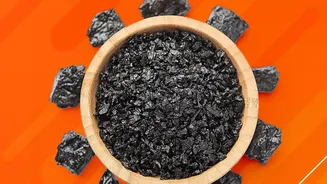
Biochar is a special, carbon-rich charcoal made by heating organic materials like rice husks in a low-oxygen environment—a process called pyrolysis. This process creates a material with a remarkably porous, honeycomb-like internal structure. Just a few grams of biochar can have a surface area equivalent to a football field, creating a vast landscape of nooks and crannies. It is this intricate, microscopic structure that gives biochar its exceptional filtration capabilities, turning it into a molecular-level sieve.
How It Traps Microplastics
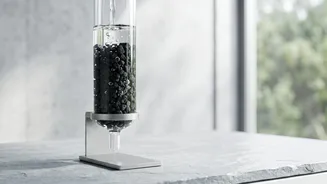
The effectiveness of rice husk biochar lies in a combination of physical and chemical mechanisms. Its vast network of pores physically traps, sticks, and entangles microplastic particles as water passes through. Beyond just acting as a net, biochar's surface properties also play a crucial role. Mechanisms like hydrophobic interactions and electrostatic attraction cause the tiny plastic pollutants to bind to the biochar's surface, ensuring they are removed from the water. Some studies have shown that biochar filters can remove over 95% of certain microplastics, with a particularly high effectiveness for smaller particles that are often harder to catch.
The Promise of Affordability and Scale
One of the most significant advantages of this technology is its low cost. Compared to industrial-grade activated carbon, the current standard for many filtration systems, biochar can be dramatically cheaper to produce. One estimate suggests biochar could be nearly six times more affordable. Given the immense quantities of rice husks available in India and other rice-producing nations, this technology has the potential to be scaled up as a homegrown, sustainable solution for providing cleaner, safer drinking water to communities, without relying on expensive, imported materials.
The Road from Lab to Tap
While the results from laboratory studies are highly promising, bringing this technology into widespread household and municipal use still faces challenges. Most research has been conducted at a lab scale, and performance can differ under real-world conditions where water contains a complex mix of contaminants. Ensuring consistent quality of biochar produced from variable feedstocks and scaling up production from labs to industrial levels are key hurdles that researchers are actively working to overcome. Field trials and pilot projects are the next critical steps to validate its effectiveness and pave the way for this technology to reach our taps.