







What is FSSAI's Big Move?
The Food Safety and Standards Authority of India (FSSAI) has launched a significant enforcement drive against what it deems misleading advertisements and false claims on food products. In recent months, the regulator has issued over 150 notices to numerous
food business operators (FBOs), including major domestic and global brands like Nestle, Coca-Cola, PepsiCo, and Mondelez. This crackdown isn't just limited to manufacturers; it extends to e-commerce platforms like Amazon and Flipkart, quick-service restaurants, and even five-star hotels. The goal is to ensure that the claims you see on a package are truthful, unambiguous, and scientifically verifiable, ultimately protecting you, the consumer, from being misled.
The Problem with '100%'
One of the most prominent targets of this regulatory action is the use of '100%' on labels. Terms like '100% Pure', '100% Natural', or '100% Organic' have been flagged by FSSAI because they are not legally defined under current food laws and can create a false sense of absolute superiority or purity. For example, a product labelled '100% juice' might still be made from concentrate, or a '100% natural' item could contain preservatives. The regulator argues that these absolute claims are often ambiguous and can deceive consumers. In response to FSSAI's notices, several companies, including Amway for its '100% Pure Coconut Oil', have already begun removing this term from their packaging and promotional materials.
Decoding 'Immunity' and Health Claims
Another major area of focus is health-related claims, particularly those that suggest a product can 'boost immunity', 'support stronger bones', or aid digestion without adequate scientific proof. These types of claims became especially popular in the wake of the pandemic, but FSSAI is now demanding that any health benefit must be substantiated by evidence. Vague terms like 'healthy' are also under the scanner. As a result of this push, companies have been asked to withdraw products or remove specific claims. For instance, Kerala-based Juza Foods was flagged for multiple claims on its baby food products related to immunity, growth, and nutrition and subsequently agreed to remove them.
Other Dubious Words on the Watchlist
Beyond '100%' and 'immunity', FSSAI is also scrutinising a host of other attractive but potentially misleading words. These include 'natural', 'fresh', 'original', 'real', and 'pure'. According to regulations, such terms can only be used under very specific conditions. For example, a product can only be called 'fresh' if it hasn't been processed in a way that alters its basic characteristics. The regulator has also taken action against misleading trade names and claims like 'vegan' when not used appropriately. The core principle is that any claim must be truthful and not create a false impression about the product's composition or benefits.
Why is This Happening Now?
This regulatory push aims to empower consumers and bring more transparency to the food industry. For years, marketing language has often outpaced regulatory definitions, leading to a marketplace where bold claims can give brands an unfair edge. FSSAI's actions are rooted in the Food Safety and Standards (Advertising and Claims) Regulations, 2018, which mandate that all claims must be truthful and not misleading. By holding companies accountable, the regulator seeks to ensure consumers can make informed choices based on facts, not just marketing hype. The crackdown penalises false advertising with fines that can extend up to ₹10 lakh and even suspension of licenses for repeat offences.
How to Be a Smarter Shopper
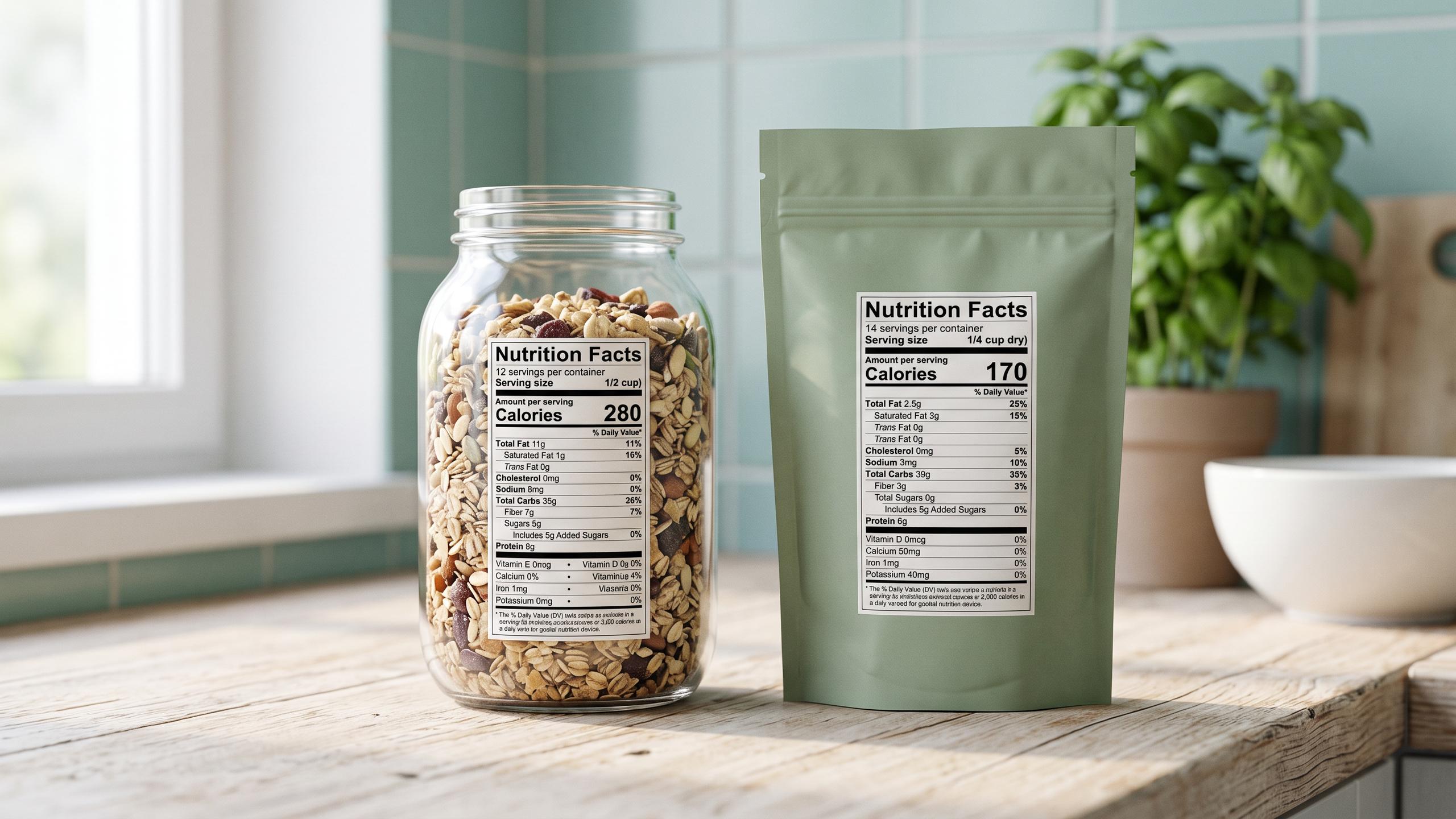
While FSSAI works to clean up labels, you can become a more discerning consumer today. First, be skeptical of superlative claims. Words like 'best', 'finest', or '100%' are often marketing fluff. Instead, turn the package over and read the ingredients list; it's presented in descending order of weight, giving you a true picture of what's inside. Also, check the nutritional information panel, paying attention to sugar, fat, and sodium content. Finally, look for the FSSAI logo and license number, which shows the product has met regulatory standards.