





The Backbone: Engineering and Technology
The popular image of a space career often overlooks the vast majority of professionals who make missions possible: the engineers. For every astronaut, there are thousands of engineers on the ground designing, building, and testing every component. A Bachelor's
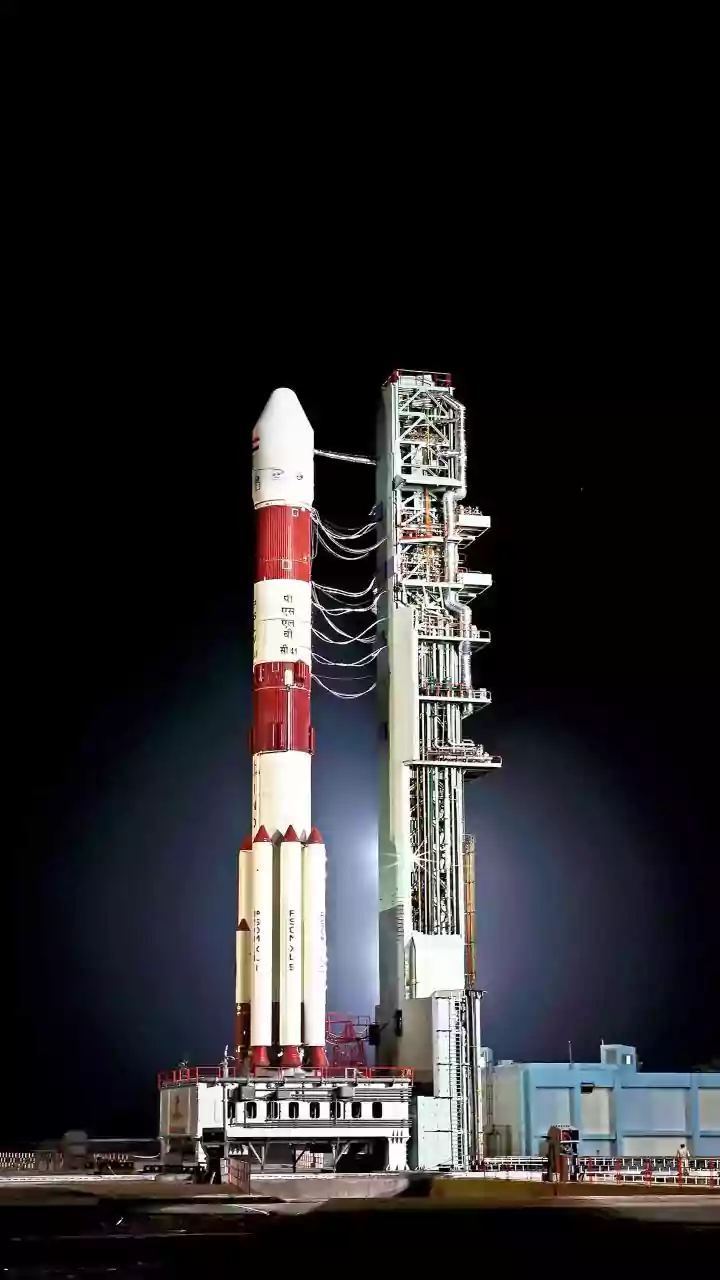
or Master's degree in fields like Aerospace, Mechanical, Electronics, or Computer Science is a primary gateway. These roles are crucial at the Indian Space Research Organisation (ISRO) and are increasingly in demand in the private sector. Engineers work on everything from the structural integrity of launch vehicles at centres like the Vikram Sarabhai Space Centre (VSSC) to the complex electronics of satellites at the U. R. Rao Satellite Centre (URSC). Private companies like Skyroot Aerospace and Agnikul Cosmos are also hiring aggressively for roles in propulsion, avionics, and structural design, making engineering the most direct route into India's space industry.
The Data Decoders: Analytics and Software
Modern space exploration generates enormous amounts of data. From satellite imagery to signals from deep space probes, this information is useless without specialists to interpret it. This has created a surge in demand for data scientists, GIS analysts, and software developers. Companies like Pixxel, which focuses on hyperspectral imaging, and SatSure, which provides climate and agriculture analytics, are built around processing satellite data. These roles require skills in machine learning, image processing, and big data analytics. If you have a background in computer science or data analytics, you can find a rewarding career turning raw space data into actionable insights for fields as diverse as urban planning, disaster management, and national security. The ground systems that operate missions and process data are also heavily reliant on software, making it a critical and growing field.
The Scientific Minds: Research and Discovery
For those driven by pure curiosity about the cosmos, a career in scientific research is a powerful option. A PhD is typically required for senior research positions in fields like astrophysics, planetary science, and astrobiology. Institutions like the Indian Institute of Astrophysics (IIA) and the Physical Research Laboratory (PRL) are hubs for fundamental space research. Scientists in these roles study everything from the physics of stars and galaxies to the composition of planetary atmospheres and the potential for life beyond Earth. They analyse data from missions like Chandrayaan and Aditya-L1 to publish findings that expand our understanding of the universe. This path often starts with a strong foundation in physics and mathematics, followed by specialised postgraduate studies.
The Growing Private Space Ecosystem
Until recently, a space career in India largely meant working for ISRO. Today, the landscape is transforming. With over 400 private space startups registered under IN-SPACe, the opportunities have exploded. These companies are involved in everything from building rockets and satellites to providing space-based services. Startups like Dhruva Space and Pixxel are pioneering private satellite missions, creating jobs for systems engineers, software developers, and RF communications specialists. This private-sector boom not only offers competitive salaries but also provides a dynamic, fast-paced environment. It is a significant shift, creating thousands of new jobs and proving that the Indian space dream is no longer solely a government enterprise.
The Essential Support Roles
A thriving space sector needs more than just scientists and engineers. As the industry grows, so does the need for professionals in a variety of support functions. The rise of private space ventures has created a demand for experts in space law and policy to navigate international treaties, licensing, and regulatory compliance. There are also roles for doctors specializing in space medicine, technicians, project managers, and even marketing and finance professionals within space companies. For example, ISRO recruits candidates with an engineering degree plus an MBA for certain positions. These diverse roles show that no matter your specialisation, there may be a place for your skills in the expanding space economy.