



The Disconnected Foot
Most of us spend our lives on flat, predictable surfaces, our feet encased in cushioned, supportive shoes. This environment, while comfortable, deconditions our feet. Shoes with elevated heels can shorten calf muscles, and tapered toe boxes squeeze our toes
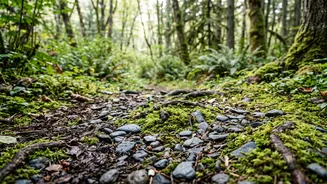
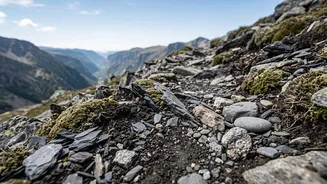
together, preventing the natural splay that is crucial for balance. Over time, this passive support can weaken the hundreds of muscles, tendons, and ligaments within each foot. When we take these disconnected feet onto a hiking trail—full of rocks, roots, and shifting dirt—they are suddenly asked to perform tasks for which they are no longer trained. This transition is not just a matter of skin toughness; it's a fundamental neuromuscular reawakening.
A Symphony of Nerves
The primary way uneven surfaces challenge foot control is by demanding immense sensory feedback, a process known as proprioception. The soles of our feet are packed with nerve endings that constantly send information to the brain about pressure, texture, and terrain angle. When you hike barefoot, this system goes into overdrive. Every step on a shifting rock or slippery root requires the brain to receive data, process it, and instantly command the muscles in your foot and ankle to stabilize your entire body. This is a stark contrast to walking in thick-soled boots, which mute this sensory conversation, forcing your knees and hips to compensate for the lack of information from the ground up. Walking barefoot forces a more conscious, flatter foot placement and shorter strides, adaptations the body makes to increase stability and reduce harsh impacts.
Navigating the Obvious Obstacles
Beyond the neurological challenge, there are immediate physical risks. The most obvious is injury from sharp objects like rocks, thorns, or broken glass hidden by leaves. Bruises from stepping on hard, pointed stones are common, especially during the adaptation phase. The muscles in your feet and calves, unaccustomed to the increased workload, will likely fatigue quickly and feel sore. Transitioning from supportive shoes to none at all is like removing a cast; the muscles need to be patiently rebuilt. This is why experts universally recommend a gradual approach, starting with short walks on soft, safe surfaces like grass or sand before tackling more rugged trails. Listening to your body and being prepared to retract a step is a crucial skill for any aspiring barefoot hiker.
The Rewards of Going Bare
So why endure the challenges? The benefits are deeply rooted in restoring the foot's natural function. Consistent barefoot walking strengthens the intrinsic muscles that support your arch, improving stability and potentially reducing pain from conditions like plantar fasciitis. This strengthening process enhances balance, agility, and overall body awareness. Many hikers report a greater sense of connection to their environment, feeling the temperature and texture of the earth in a way that is impossible with shoes. It transforms a simple walk into a more mindful and engaging experience. Over time, your feet can become more resilient, your posture may improve, and your joints from the ankle up may experience less strain as your feet begin to absorb impact more effectively.
Your First Barefoot Steps
If you're curious about trying barefoot hiking, the key is to start slow. Begin by simply walking barefoot around your home and yard. From there, progress to short walks on gentle, natural surfaces you know are clean and safe, like a grassy park or a sandy beach. Pay close attention to where you place your feet, stepping straight down rather than shuffling, and landing more on the midfoot or ball of your foot instead of a hard heel strike. Incorporating foot-strengthening exercises, such as toe curls with a towel or practicing single-leg balances, can also help prepare your feet for the new demands. Some people find minimalist shoes, which offer protection without sacrificing ground-feel, to be an excellent transitional tool. The goal is a gradual adaptation, allowing your feet and brain to build strength and coordination together.