





A New Dawn for Indian Railways
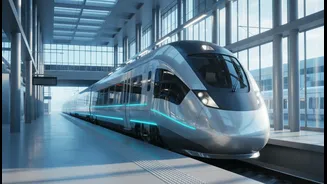
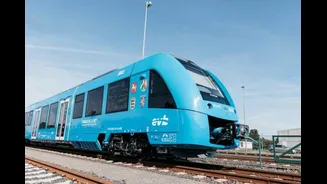
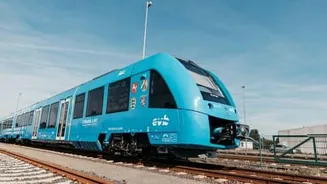
On July 17, 2026, Indian Railways is set to make history. Prime Minister Narendra Modi is expected to flag off the nation's first-ever hydrogen-powered train from Jind in Haryana. This inaugural service, running on the 90-kilometre Jind-Sonipat corridor,
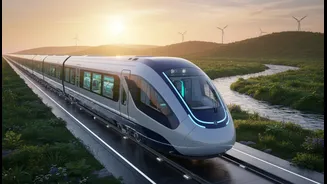
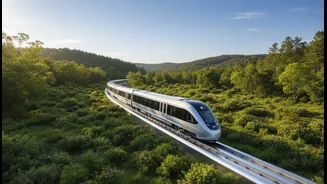
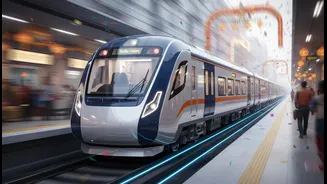
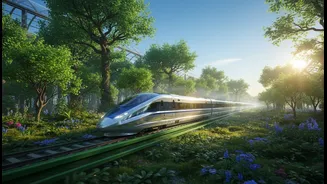
represents a significant leap forward in India's quest for green mobility. Following extensive and successful trials, this launch moves hydrogen technology from the drawing board to the tracks, placing India among a select group of nations, including Germany and China, that are pioneering this clean energy solution for rail transport. The debut is not just about a single train on a single route; it's a powerful statement about India's commitment to modernising its iconic railway network for a sustainable future.
The Science of a Silent Ride
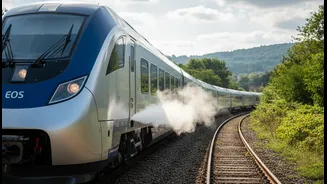
So, what exactly is a hydrogen train? Unlike conventional diesel locomotives that are noisy, polluting, and reliant on fossil fuels, a hydrogen train operates on a completely different principle. At its heart is a fuel cell, a device that works like a mini power station. It takes hydrogen, stored in high-pressure tanks on the train, and combines it with oxygen from the air. This electrochemical reaction generates electricity to power the train's motors, with the only by-products being heat and water vapour. This means no smoke, no soot, and no carbon dioxide emissions. The system also uses a hybrid model, combining the fuel cells with batteries to improve efficiency. The result is a quieter, cleaner, and more environmentally friendly journey, offering a tangible alternative on routes where overhead electric lines are not feasible.
An Indigenous Achievement
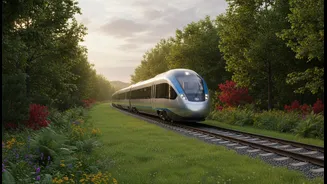
This milestone is also a major victory for the 'Make in India' initiative. The train, which involves retrofitting existing Diesel Electric Multiple Units (DEMUs), showcases India's growing capability in developing advanced, indigenous technology. The 10-coach trainset is being hailed as the world's longest hydrogen train on a broad-gauge network. This project fits directly into Indian Railways' ambitious plan to become a 'Net Zero' carbon emitter by 2030, a goal that requires a multi-pronged strategy of electrification and adoption of alternative fuels. While full electrification of the network remains a priority, hydrogen trains offer a practical and green solution for the many routes where installing overhead lines is challenging or uneconomical, such as in hilly terrains or on heritage lines. In fact, a dedicated 'Hydrogen for Heritage' scheme aims to deploy these clean trains on some of India's most scenic and ecologically sensitive routes.
The Passenger Perspective
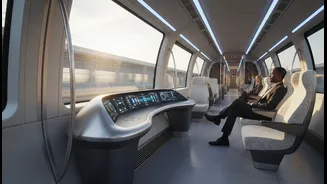
Beyond the technological and environmental benefits, the new hydrogen train promises a transformed experience for passengers on the Jind-Sonipat route. The journey time is expected to be cut in half, from approximately two hours by the current diesel service to just one hour. Even more impressively, the service is designed to be highly affordable, with fares projected to be as low as Rs 5 to Rs 25. With a capacity to carry around 2,500 passengers, the train will offer a fast, cost-effective, and comfortable travel option. Commuters can look forward to a much quieter ride, free from the vibrations and fumes of a diesel engine, making rail travel a more pleasant and appealing choice.
Challenges on the Horizon
Despite the excitement, the road ahead for hydrogen rail has its challenges. The primary hurdle is cost. Hydrogen fuel cell technology and the required refueling infrastructure are currently expensive. Another critical factor is the source of the hydrogen itself. For the environmental benefits to be fully realised, the trains must run on 'green' hydrogen, which is produced using renewable energy sources like solar or wind. Producing green hydrogen at scale is a major industrial challenge that India is actively working to address through its National Green Hydrogen Mission. The successful operation of the Jind-Sonipat pilot will be crucial in proving the technology's viability and building a business case for wider adoption, potentially leading to lower costs as the technology matures and scales up.