

Earth's History as a Blueprint
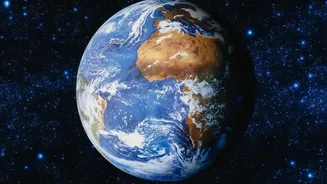
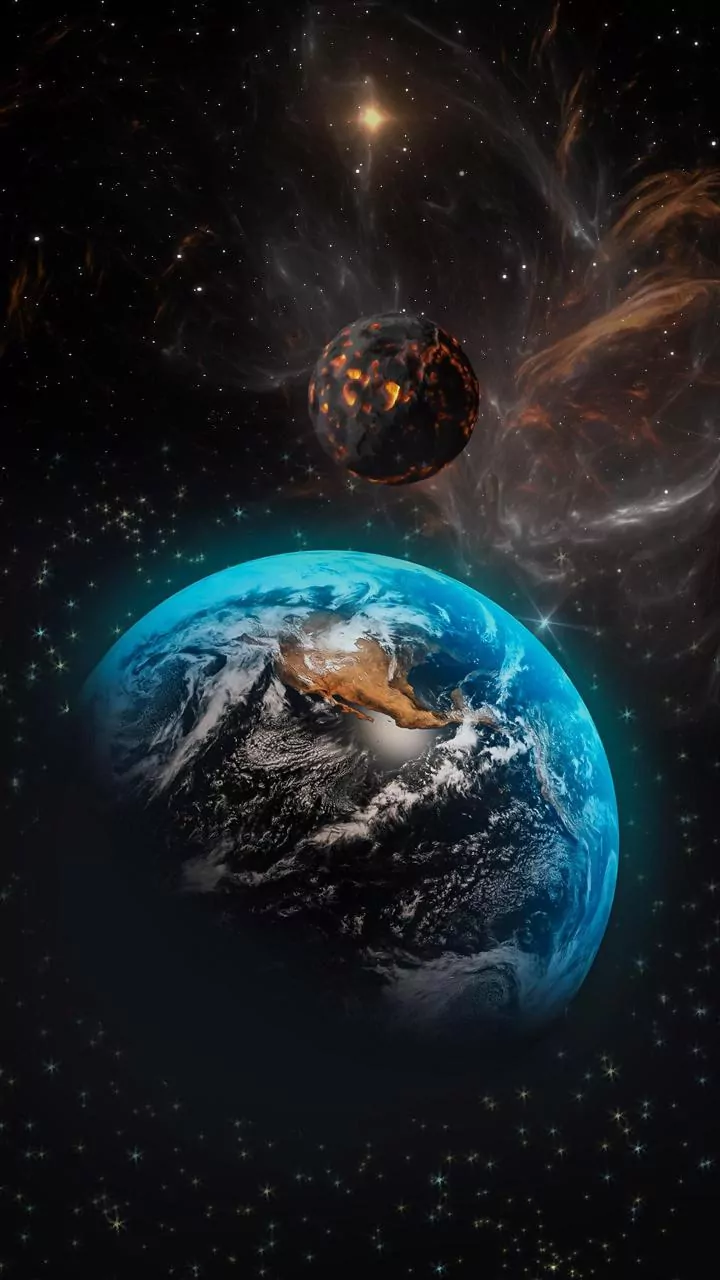
To find planets that might host life, astronomers need a guide. Earth is the only place we know for certain that life exists, making it our primary model. But modern Earth is just one version of itself. Over its 4.5-billion-year history, our planet has
gone through dramatic transformations, from a world with a toxic, oxygen-free atmosphere to a lush, water-covered globe. Scientists see these different periods as 'alternative Earths'. By studying ancient rocks and geological data, researchers create templates of what Earth looked like at various stages of its evolution. These snapshots—a prebiotic Earth, an Earth with early microbial life, or a world just beginning to fill with oxygen—provide crucial clues for what to look for in distant solar systems. An exoplanet might not look like Earth today, but it could resemble Earth from a billion years ago, making it a prime candidate for further study.
Decoding Atmospheric Clues
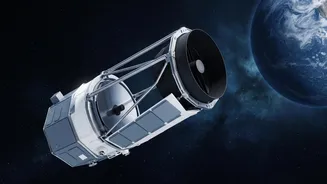
Since we cannot visit exoplanets, which are light-years away, astronomers study the light that passes through their atmospheres. When a planet transits, or crosses in front of its star, the starlight filters through its atmospheric gases. Different molecules absorb light at specific wavelengths, leaving a unique chemical fingerprint called a spectrum. Instruments like the James Webb Space Telescope can analyze this spectrum to identify gases. These are known as biosignatures—gases produced by life that can accumulate to detectable levels. On Earth, the most prominent biosignatures are oxygen and its photochemical product, ozone, as well as methane. Detecting a combination of these gases, especially ones that shouldn't coexist without a constant source like life, is a powerful indicator of habitability.
Putting Climate Models to the Test
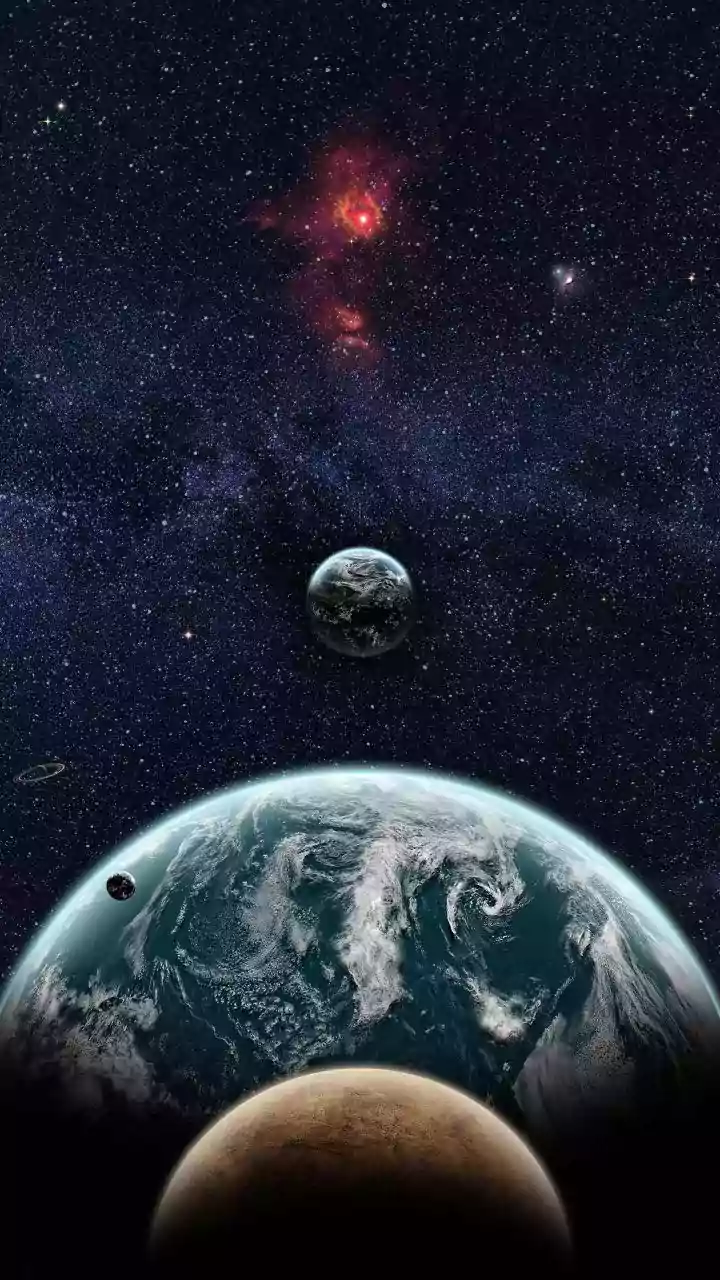
Sophisticated computer models, originally designed to predict Earth's future climate, are now being repurposed to imagine the climates of alien worlds. Scientists at institutions like NASA take these complex Earth climate models and tweak the variables. They can change the type and brightness of the host star, the planet’s size and mass, its distance from the star, and its atmospheric composition. These simulations help determine if a planet could maintain liquid water on its surface, a key ingredient for life as we know it. For instance, models have shown that even planets orbiting volatile red dwarf stars, which emit intense radiation, could potentially remain habitable if they have the right kind of cloud cover. This modeling helps astronomers narrow down the thousands of known exoplanets to a handful of promising candidates for observation.
A Cautionary Tale: The Limits of Our Model
While Earth provides an invaluable template, scientists are careful not to be too limited by it. Relying solely on our planet as a model could cause us to overlook life that exists under completely different conditions. For example, some planets might be 'Hycean' worlds, with hydrogen-rich atmospheres and deep oceans, where familiar biosignatures like oxygen wouldn't be stable. On such worlds, other gases like dimethyl sulfide—produced by marine life on Earth—might be the key indicator to search for. Furthermore, even studying Earth from afar would be challenging. Seasonal changes and different viewing angles can significantly alter a planet's observed spectrum, making it difficult to get a complete picture from a single observation. This reminds astronomers that detecting life will likely require multiple lines of evidence rather than a single 'gotcha' moment.