



Your First Line of Defence: The Doormat
The humble doormat is your most important tool in the fight against monsoon muck. However, not all mats are created equal. The most effective strategy is a two-mat system. Place a durable, water-resistant mat outside your door to scrape off the initial
layer of mud and water. Materials like rubber or recycled PVC with textured surfaces are ideal for this. These mats are easy to clean with a simple hose-down. Inside, place a highly absorbent mat. Look for materials like microfiber or specialised synthetic fabrics that are designed to trap remaining moisture. Traditional coir mats are good for scraping but can stay wet for a long time, potentially leading to mildew. During heavy downpours, it’s best to use mats that dry quickly.
Mastering the Puddle Problem
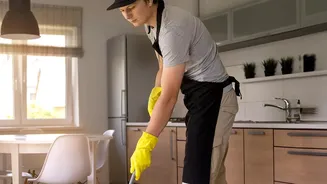
Even with the best doormats, some water will inevitably find its way inside. The key is to tackle it immediately before it spreads. Keep a dedicated “monsoon kit” right by the door. This should include a few highly absorbent microfiber cloths or an old towel, and a squeegee or a small mop. Microfiber is superior to cotton as it absorbs more water and dries faster. For larger puddles, a wet/dry vacuum can be a lifesaver, sucking up excess water in seconds. Acting quickly prevents water from seeping into grout or under flooring, which can cause long-term damage and persistent damp smells.
The Power of Air Circulation
A damp entryway quickly becomes a smelly one if the moisture has nowhere to go. Good air circulation is crucial for rapid drying and preventing the growth of mould and mildew, which cause that classic musty odour. Whenever there is a break in the rain, open windows and doors on opposite sides of the house to create a cross-breeze. For days when that isn't possible, a simple fan pointed at the damp area can dramatically speed up evaporation. In particularly humid climates, a dehumidifier can be an excellent investment. It actively pulls moisture from the air, making the environment less hospitable for mould and ensuring your entrance feels and smells fresh.
Containing the Drips
It’s not just feet that bring the rain inside. Dripping umbrellas and soaked raincoats are major culprits. Instead of letting them create puddles on the floor or dampen your walls, create a designated spot for them. A tall umbrella stand with a solid base will contain all the drips. For raincoats, install a few hooks in a corner away from the main walkway, preferably over a tiled area or a waterproof tray. This simple habit corrals the water into one manageable spot, protecting your floors and walls and keeping the mess contained.
Simple Fixes for a Watertight Door
Sometimes, rainwater doesn't just get tracked in; it seeps in. If you notice water pooling at the base of your door during heavy downpours, it’s a sign of a gap. A simple and effective solution is to install a door sweep or a rubber lining at the bottom of the door. This creates a seal that physically blocks rainwater from being driven inside by the wind. You can also check the sealant around the door frame and re-apply caulk if you notice any cracks or gaps. These small, affordable fixes can prevent a significant amount of water from entering your home, making your other drying efforts far more effective.
Fighting Lingering Odours
If a musty smell persists despite your best efforts, it's time to deodorise. Air fresheners often just mask the problem. Instead, use substances that absorb odours. Placing open bowls of baking soda or activated charcoal in the entryway can effectively neutralise smells. Activated charcoal is particularly porous and excellent at trapping odour molecules. For a deeper clean, occasionally mop the floor with a solution of water and white vinegar, which helps to kill mildew and deodorise the surface. Regularly washing your indoor doormat is also essential to prevent it from becoming a source of bad smells.