
Beyond the Traditional After-Meal Bite
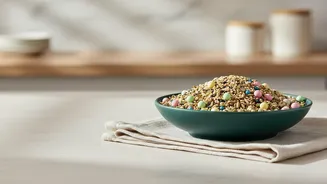
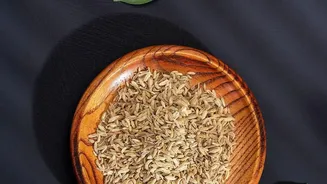
For generations, mukhwas has been the final, familiar note to a hearty Indian meal. Traditionally, it's a simple blend of seeds like fennel and sesame, sometimes coated in sugar and bright, artificial colours, served to aid digestion and freshen the breath.
This unorganised market, often dominated by local vendors with inconsistent quality, remained largely unchanged for decades. However, a cultural shift is underway, driven by a new generation of health-conscious consumers who read labels, question ingredients, and seek transparency in their food. This has paved the way for young entrepreneurs to reimagine what mukhwas can be.
The 'Clean-Label' Revolution
At the heart of this transformation is the concept of 'clean-label'. While not a formally regulated term, it represents a consumer-driven demand for simple, natural, and easily understandable ingredients. In the context of mukhwas, this means moving away from additives. Clean-label mukhwas is free from artificial colours, synthetic flavours, and chemical preservatives. Most significantly, these new-age brands are drastically reducing or eliminating refined white sugar and supari (areca nut), which are common in many conventional mixes. A recent survey highlighted that around 68% of urban Indian consumers actively read ingredient labels, with many deliberately avoiding artificial sweeteners and preservatives. This growing awareness is the primary driver behind the demand for cleaner, more wholesome snacking options.
The Artisanal and Functional Approach
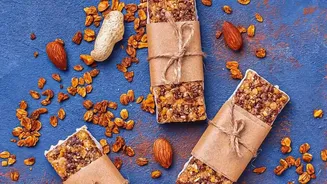
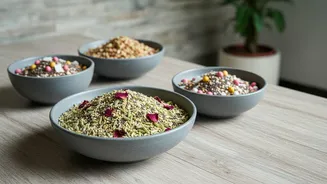
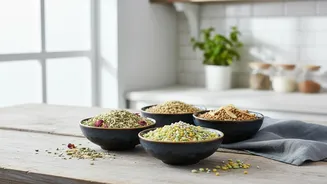
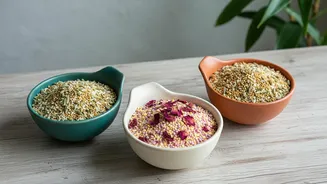
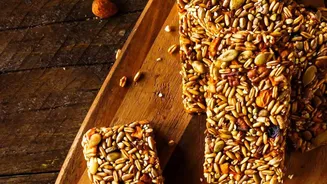
The 'artisanal' aspect refers to the craftsmanship and quality of ingredients. Instead of mass production, these startups focus on creating small, carefully curated batches. The process begins with sourcing high-quality seeds. While traditional fennel remains a staple, these new mixes are packed with a wider variety of roasted seeds like flax, pumpkin, chia, and sunflower, all celebrated for their nutritional benefits, including healthy fats, fibre, and protein. Roasting is a key step, done to enhance the natural aroma and flavour of the seeds without needing artificial enhancers. To add flavour and sweetness, they turn to natural extracts. Rose, peppermint, and other essential oils provide aroma, while natural sweeteners like jaggery, coconut sugar, or fruit extracts replace refined sugar. Some brands are even creating 'functional' mixes designed to address specific concerns like acidity or digestion.
A New Generation’s Vision
This movement is largely championed by youth startups, often founded by people with a personal connection to the tradition but a modern vision for its future. Brands like JoySpoon, founded by husband-and-wife duo Yash and Vaishali Mehta, were born from a desire to modernise a family tradition. They saw an opportunity to elevate mukhwas from a simple commodity in a plastic pouch to a premium, well-packaged product that aligns with contemporary wellness trends. These entrepreneurs understand their target audience because they are part of it. They leverage D2C (Direct-to-Consumer) models, engaging with customers through slick websites and social media, telling the story of their brand and ingredients. By focusing on premium packaging and transparent sourcing, they are creating a new identity for mukhwas as a sophisticated, healthy, everyday essential.