

An Underground Haven
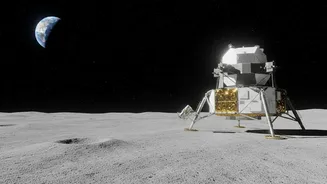
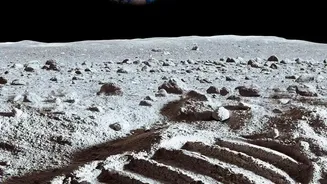
The lunar surface is one of the most hostile environments imaginable. With no atmosphere, it is bombarded by intense cosmic radiation, pelted by micrometeorites traveling at extreme speeds, and subject to wild temperature swings from a scorching 127°C
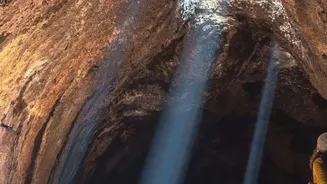
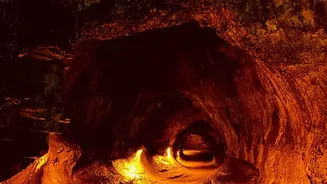
in daylight to a frigid -173°C at night. For any long-term human presence, this is an insurmountable challenge. The solution, scientists believe, lies in natural shelters forged billions of years ago: lunar lava tubes. These are vast, hollow caverns left behind by ancient volcanic eruptions. Their thick ceilings of rock and regolith offer natural and robust protection from all the dangers that make the surface uninhabitable, providing a stable and secure environment for future lunar bases.
The Robotic Pioneers
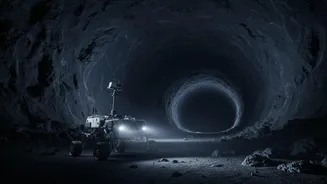
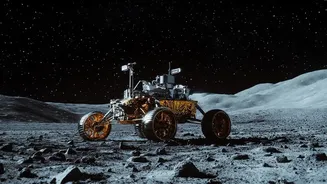
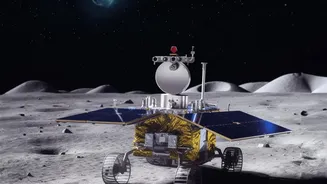
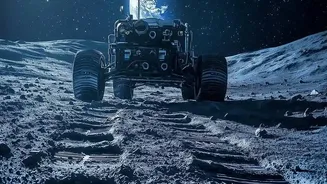
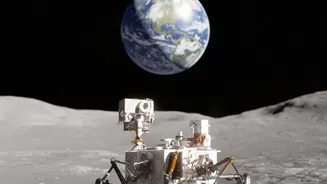
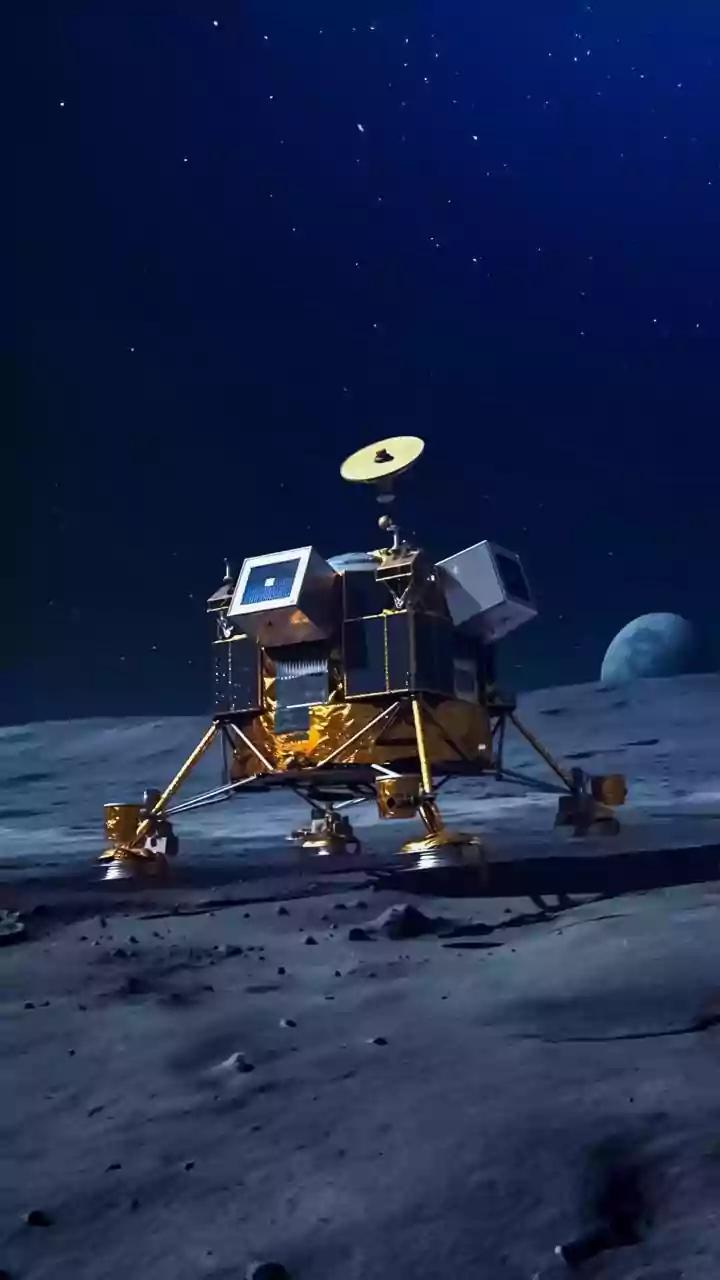
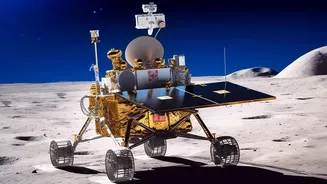
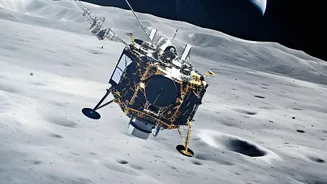
Before astronauts can move in, these dark, unknown tunnels must be explored. Sending humans into an unmapped cave system on the Moon is far too risky, which is where robotic pioneers come in. Various space agencies and private companies are developing specialized robots designed for this unique challenge. These are not your typical wheeled rovers. Concepts include multi-robot teams that work together, with one robot acting as a surface anchor while another rappels down into a 'skylight'—a collapsed section of a tube's roof. A European consortium has developed a system with three distinct robots: one to map the surface, another to drop a sensor payload, and a third scout rover that descends into the cave to perform detailed 3D mapping. China is also developing autonomous robots with advanced decision-making skills to navigate these tunnels.
A Mission of Extreme Challenges
Exploring a lunar cave is a mission of unprecedented difficulty. These tunnels are in complete darkness, meaning robots cannot rely on solar power and must carry their own energy sources or use innovative tethered systems for power and communication. With no GPS available, the robots must be highly autonomous, capable of mapping their surroundings in real-time to navigate without human guidance—a problem known as Simultaneous Localization and Mapping (SLAM). The terrain inside is expected to be rugged and treacherous, requiring robust mobility systems like hybrid wheel-and-leg designs or even hopping robots to overcome obstacles that would trap a normal rover. Communication is another major hurdle, as transmitting data from deep inside a cave back to the lunar surface, and then to Earth, will require a network of relays.
Blueprint for a Lunar Base
The data sent back by these robotic explorers will be invaluable. The primary goal is to create detailed, three-dimensional maps of the tunnels. These maps will help scientists assess the structural integrity of the caves, identify their size and shape, and pinpoint the best locations for establishing a base. Robots will also carry instruments to analyze the cave environment, searching for valuable resources like water ice, which could be trapped in permanently cold areas, and measuring the exact radiation levels. This information will allow engineers to design inflatable or modular habitats that can be deployed within the protected confines of the tubes. One recent proposal backed by NASA involves a laser-powered hovering drone that could explore a massive pit in the Mare Tranquillitatis region, which is believed to be an entrance to a vast cave network.