



Understanding Desk-Bound Hips
When you sit for long periods, your body adapts to that position. The muscles at the front of your hips, known as the hip flexors, remain in a shortened state. Over time, this can lead to tightness and stiffness. Meanwhile, the opposing muscles, your glutes,
become underactive or 'weak' from lack of use. This muscular imbalance is a primary cause of that stiff, achy feeling, and can even contribute to lower back pain. The goal of a mobility routine is to counteract this by stretching the tight muscles and reactivating the dormant ones.
The Kneeling Hip Flexor Stretch
This is a classic move for targeting the front of your hips. Start in a half-kneeling position, as if you were about to propose, with one knee on the floor and the other foot planted in front, creating a 90-degree angle. Keep your torso upright and gently tuck your pelvis—imagine pulling your belt buckle towards your chin. From there, slowly shift your weight forward into the front leg until you feel a gentle stretch in the front of the hip of the kneeling leg. Avoid arching your back; the movement should be subtle. Hold for 30 seconds before switching to the other side.
The Glute Bridge
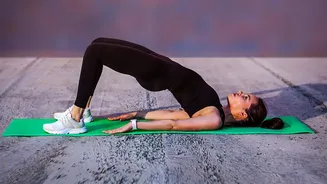
To counter weak glutes from sitting, you need to reactivate them. The glute bridge is a perfect exercise for this. Lie on your back with your knees bent, feet flat on the floor about hip-width apart, and your arms by your sides. Press through your heels and lift your hips off the floor until your body forms a straight line from your shoulders to your knees. Squeeze your glutes firmly at the top of the movement. Hold for a moment before slowly lowering your hips back down. Aim for two sets of 10-15 repetitions.
The 90/90 Hip Rotation
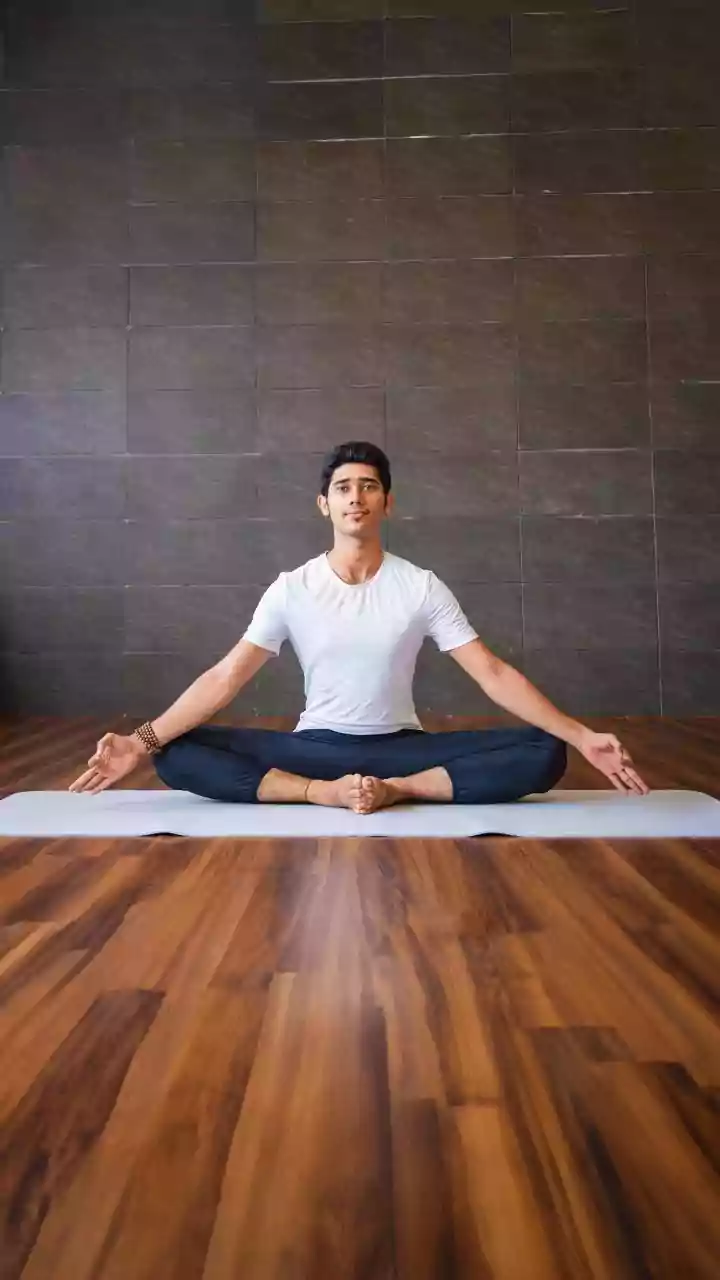
This drill is excellent for improving both internal and external hip rotation, two movements that are often restricted in people who sit a lot. Sit on the floor and arrange your legs so that your front leg is bent at a 90-degree angle in front of you, with your shin parallel to your chest. Your back leg should be bent at 90 degrees to the side. Keeping your chest up, you can lean forward over the front shin to deepen the stretch in your outer hip and glute. Then, while keeping your feet in place, rotate your knees over to the other side. Move slowly and controlled for 8-10 repetitions per side.
The Figure-Four Stretch
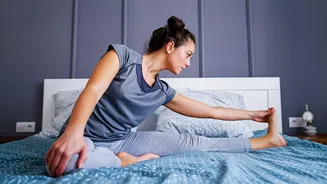
This stretch targets the glutes and piriformis muscle, which can get tight and contribute to hip discomfort. You can do this stretch either lying on your back or seated in a chair. To do it lying down, lie on your back with both knees bent. Cross your right ankle over your left knee. Gently reach through your legs to pull your left thigh towards your chest until you feel a stretch in your right glute. Hold for 30 seconds and then switch sides. If you’re at your desk, you can perform the same cross-legged position while sitting and gently press on the knee of the crossed leg.
Making It a Daily Routine
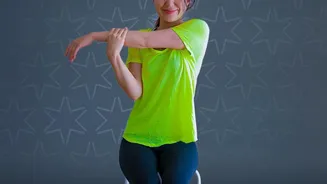
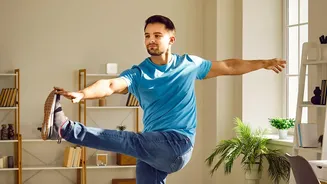
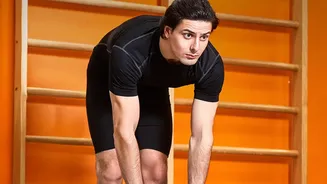
Consistency is more important than intensity. You don't need a long workout to feel the benefits. Aim to perform these gentle movements once a day. Many find it helpful to do them first thing in the morning to ease stiffness, or in the evening while winding down. Another effective strategy is to take 'movement breaks'. Set a reminder to get up and walk around or do a quick stretch for every 30-60 minutes of sitting. Listening to your body is key; a stretch should feel like a gentle pull, never a sharp pain.