


The Golden Age of Oils
For generations, the distinct, nutty aroma of cold-pressed sesame oil, or 'gingelly' and 'til ka tel', was a cornerstone of Indian cooking. Unlike modern refined oils, which are processed with heat and chemicals that strip them of their nutrients and taste,
cold-pressed oils are made by mechanically crushing seeds at low temperatures. This gentle method ensures the oil retains its natural, robust flavour and a wealth of nutrients, including heart-healthy unsaturated fats and powerful antioxidants like sesamol and sesamin. This isn't just about health; it's about taste. The rich, earthy notes of cold-pressed sesame oil are fundamental to many heritage dishes, providing a depth of flavour that refined oils simply cannot replicate. Its re-emergence in our pantries is the first step in reclaiming those forgotten tastes.
Modern Pans for Ancient Methods
The other half of this culinary revival lies in our choice of cookware. While we may have moved on from traditional clay pots, modern materials are surprisingly well-suited to the demands of Indian cooking. High-quality stainless steel and cast iron kadais, for example, are celebrated for their ability to handle the high heat required for techniques like tempering (tadka) and deep-frying. Cast iron, a material used for centuries, is prized for its exceptional heat retention. Once it gets hot, it stays hot, ensuring even cooking and perfect browning—essential for everything from crisp dosas to slow-cooked curries. Meanwhile, modern multi-ply stainless steel cookware offers excellent heat distribution and a non-reactive surface, which is crucial when cooking with acidic ingredients like tomatoes and tamarind, ensuring the dish's true flavour remains unaltered.
A Perfect Pairing in the Kitchen
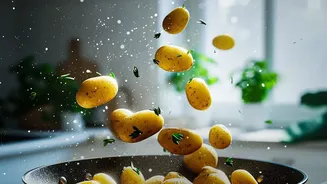
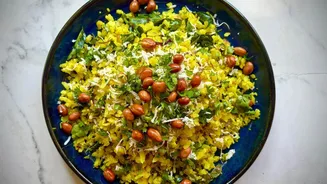
When you combine the authentic taste of cold-pressed sesame oil with the performance of modern cookware, something magical happens. The consistent heat from a heavy-bottomed stainless steel or cast iron pan allows the nutty, complex flavours of the sesame oil to bloom without burning. This pairing is ideal for preparing a traditional South Indian 'poriyal' (stir-fried vegetables), where the oil’s flavour is meant to coat the vegetables, or for creating a fragrant tadka that forms the flavour base of a dal or sambar. The stability of both the oil and the pan ensures that spices are evenly toasted and flavours are layered perfectly, reviving the authentic taste profile that many of us remember from childhood but have struggled to recreate.
More Than Just Food
This movement towards quality ingredients and superior cookware is part of a larger cultural shift. As lifestyles become more fast-paced, there's a growing desire to reconnect with our roots. Choosing cold-pressed oils and well-made pans is an intentional act of preserving our culinary heritage. It's about understanding that the rich, layered flavours of traditional Indian food weren't just the result of secret recipes, but also a deep knowledge of ingredients and the tools used to prepare them. By thoughtfully combining the wisdom of the past with the innovations of the present, home cooks are discovering they don't have to choose between convenience and authenticity. They can, in fact, have both.