





Stick to Official Railway Channels
The single most reliable source for any train announcement is Indian Railways itself. Before getting excited about a new service shared on social media or a messaging app, your first step should always be to check the official sources. This includes the Indian Railway Catering
and Tourism Corporation (IRCTC) website (irctc.co.in), the National Train Enquiry System (NTES) portal, and the official websites of the zonal railways, such as Southern Railway (sr.indianrailways.gov.in) for services to Kerala. These platforms are the first to be updated with legitimate information on new trains, including their routes, schedules, and booking dates.
Verify the Source of the Announcement
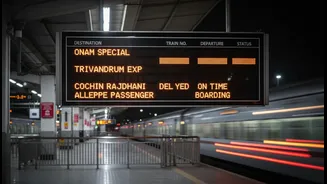
Announcements for special trains are formally made through press releases issued by the respective railway zones. Recently, the Union Minister for Railways announced that over 100 special trains will be operated for Onam to manage the festive rush. Following this high-level announcement, specific train details, like the newly announced services between Mangaluru and Chennai, are released by zonal authorities like Southern Railway. Look for these official press releases on the railway websites or in credible news reports. Be wary of information that doesn't cite an official railway source, as this is a common way for misinformation to spread.
Beware of Social Media and WhatsApp Forwards
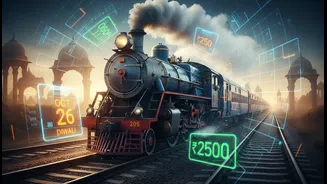
During festival seasons, social media platforms like WhatsApp, Facebook, and X (formerly Twitter) are flooded with information about special trains. While some of it may be legitimate, these platforms are also hotbeds for scams and fake news. Fraudsters create fake announcements or posters that look official to lure desperate travelers. These scams often involve promises of guaranteed confirmed tickets for a premium or links to phishing websites designed to steal your money and personal information. Never trust a link shared in a message to book tickets. Always type the official IRCTC website address directly into your browser.
Cross-Check All Train Details
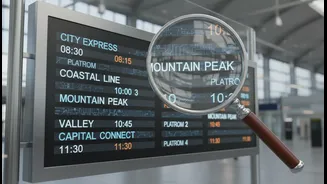
A legitimate announcement will contain specific and verifiable details. When you see a special train announced, look for the train number, its exact route with all major stoppages, the days of operation, and the precise timings for departure and arrival. Most importantly, check the date and time when bookings will open. Scammers often create a false sense of urgency. Cross-reference these details on the official IRCTC or NTES websites before attempting to book. If the details don't match or are vague, it is a major red flag.
Use Only Authorized Booking Platforms
When it's time to book, only use the official IRCTC website or the IRCTC Rail Connect mobile app. You can also book through authorized agents, whose credentials can be verified on the IRCTC website, or at computerized reservation counters at railway stations. Avoid third-party websites or individuals on social media claiming to be agents who can secure tickets for you. These are often scams where you might pay an inflated price for a ticket that is fake, not confirmed, or booked under a different name, making it invalid for travel.
Understand Digital Ticket Rules
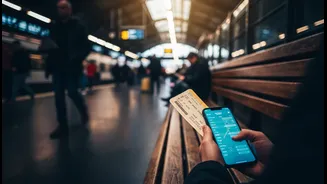
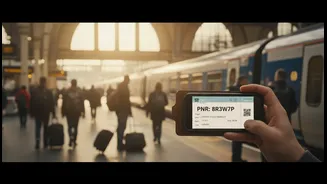
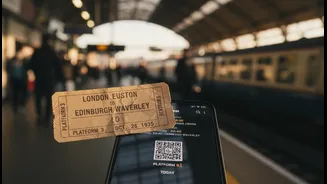
Once you have a valid ticket, remember that Indian Railways has strict rules for digital tickets. A screenshot of an e-ticket, a downloaded image, or a copy shared via WhatsApp is not considered a valid travel document. You must show the ticket directly from the official IRCTC app or by logging into your IRCTC account on the website. For unreserved tickets, they must be shown live from the UTS mobile app. This is to prevent fraud, as a static image cannot prove that a ticket hasn't been cancelled after the screenshot was taken.