



Desert plants like cacti and succulents are famously low-maintenance, but their watering needs are specific and often misunderstood. Killing them with kindness is common, but so is neglect. Here’s how to get it right every time.
The Golden Rule: Drench and Dry
The single most important
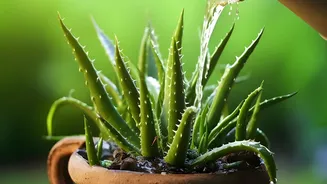
principle for watering desert plants is to mimic their natural environment: infrequent but heavy rainfall followed by a long, dry spell. This is known as the 'drench and dry' method. When it's time to water, do so thoroughly. Pour water over the soil until it flows freely from the pot’s drainage holes. This ensures the entire root system gets access to moisture. After this deep soak, the crucial second step is to allow the soil to dry out completely before you even think about watering again. Never water a cactus or succulent if the soil is still even slightly damp. This cycle of saturation followed by extended dryness is what prevents root rot, the most common killer of these plants.
Reading the Signs: Over vs. Underwatering
Your plant will tell you when its water needs are not being met, but the signs can be confusing. An overwatered succulent will have leaves that are soft, mushy, and may appear translucent or yellow. They might drop easily with just a slight touch. An underwatered plant, on the other hand, will have leaves that look wrinkled, shriveled, and deflated. While both conditions can cause leaves to feel soft, an overwatered leaf is soggy, while an underwatered one is limp but not mushy. When in doubt, it is always safer to wait a few more days, as it is far easier to save a thirsty plant than one with rotting roots.
More Than Just Water
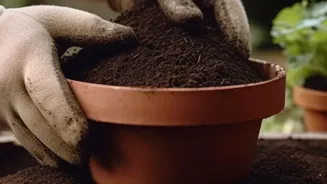
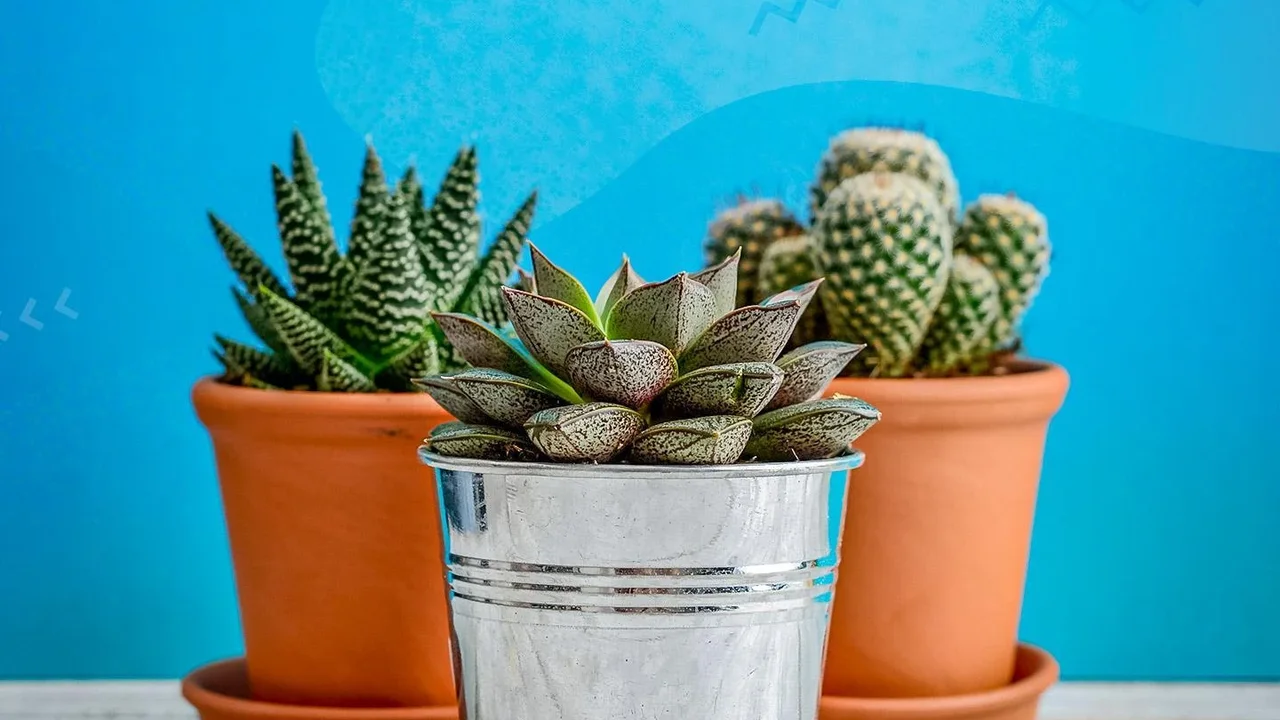
Proper watering is only effective when other conditions are right. First, your pot must have drainage holes; this is non-negotiable for desert plants as it allows excess water to escape. Terracotta pots are an excellent choice because their porous nature helps pull moisture from the soil. Second, the soil itself must be fast-draining. Standard potting soil holds too much moisture and can lead to rot. Use a specially formulated cactus or succulent mix, or create your own by adding inorganic materials like pumice, perlite, or coarse sand to regular potting soil to improve aeration and drainage.
When to Ditch the Calendar
How often you water depends on light, temperature, pot size, and the time of year—not a strict schedule. A plant in a bright, warm spot will dry out much faster than one in lower light. The best way to know if it's time to water is to check the soil. Stick your finger or a wooden skewer about two inches deep; if it comes out completely dry, it's time for a drink. If you feel any moisture at all, wait longer. During the active growing season of spring and summer, you might water every 10 to 14 days. However, in the fall and winter, many desert plants go dormant and their water needs decrease dramatically. During this rest period, you may only need to water once every three to six weeks, or even less.