



Understand the Source of the Smell
That familiar damp smell is primarily caused by the growth of mould and mildew. These fungi thrive in the high-humidity environment of the rainy season, finding homes in poorly ventilated corners, damp walls, closets, and even on fabrics. Simply using
air fresheners only masks the problem temporarily without addressing the underlying cause. The key to a fresh-smelling home is to control the moisture that allows these fungi to grow in the first place.
Maximise Ventilation and Airflow
Your first line of defence is to improve air circulation throughout your home. Whenever there's a break in the rain, open windows and doors to allow for cross-ventilation. This simple act helps push stale, humid air out and brings fresh air in. Use ceiling fans and exhaust fans regularly, especially in high-moisture zones like bathrooms and kitchens, to keep air from becoming stagnant. For wardrobes and cabinets, leaving the doors slightly ajar can prevent moisture from getting trapped inside.
Use Natural Moisture Absorbers
You don't need an expensive electric dehumidifier to fight dampness. Several common household items are excellent at absorbing excess moisture from the air. Place bowls of rock salt or uncooked rice in damp corners, as they are hygroscopic and naturally draw in moisture. Activated charcoal briquettes are also highly effective; you can place them in breathable cloth bags and stash them in cupboards and shoe racks to absorb both moisture and odours. For smaller spaces, an open box of baking soda can also work wonders.
Focus on Wardrobes and Linens
Closets are a major trouble spot for musty smells. To protect your clothes, ensure they are completely dry before storing them. Storing even slightly damp items can create a breeding ground for mildew. Place natural repellents like dried neem leaves, camphor, or cloves in the corners of your wardrobes. These not only combat the musty smell but also help deter insects. It's also wise to avoid over-packing your closets to allow air to circulate between fabrics.
Clean Surfaces with Natural Solutions
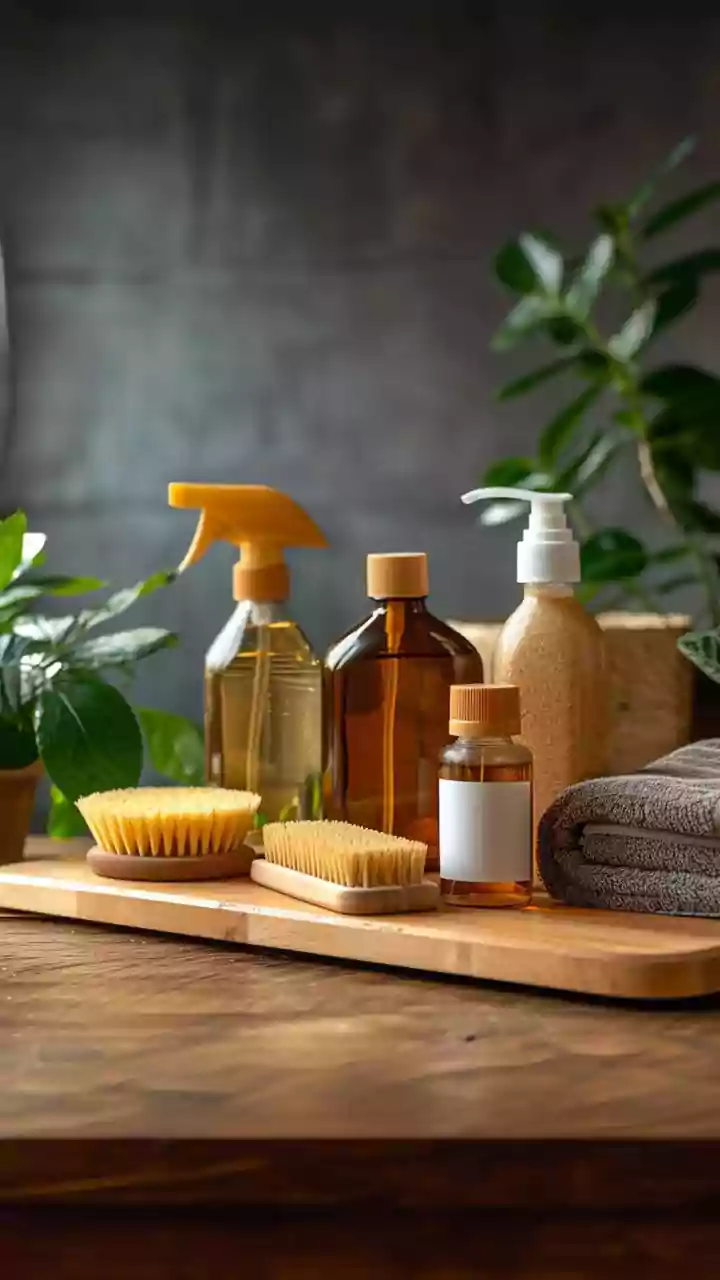
Instead of chemical sprays, turn to your kitchen for effective cleaning solutions. A spray bottle filled with a solution of equal parts white vinegar and water can be used to wipe down walls, shelves, and other surfaces where mildew might form. Vinegar is a natural neutraliser that helps kill mould spores. For carpets and upholstery that have absorbed a damp smell, sprinkle baking soda generously, let it sit for about 30 minutes to an hour, and then vacuum it up thoroughly.
Embrace the Power of Sunlight
While sunny days can be rare during the monsoon, make the most of them when they appear. Sunlight is a natural and powerful disinfectant and dehumidifier. On a bright day, take the opportunity to air out rugs, pillows, mattresses, and blankets outdoors. The UV rays from the sun are effective at killing mould spores and bacteria, which helps eliminate odours at their source. Even a few hours of direct sunlight can make a significant difference in freshening up your home.