




The Logic of the Summer Slump
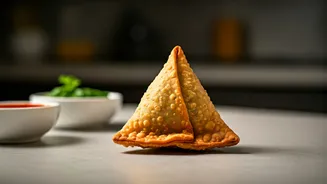
There’s a simple, biological reason why our bodies are rejecting the deep-fried delights we cherish at other times of the year. Heavy, oily foods are calorically dense and require more metabolic energy to digest. This process, known as thermogenesis,
literally increases your body's internal temperature. When the mercury outside is already pushing 40°C, the last thing your system wants is an internal furnace working overtime. The result is that post-meal sluggishness we all dread, a feeling of being weighed down when all we want is to feel light and energetic. This isn't just a fleeting feeling; it’s our body’s way of signalling that it needs a different kind of fuel to cope with the extreme heat, pushing us instinctively towards foods that are easier to process and won't add to our heat load.
The Wellness Wave and Social Feeds
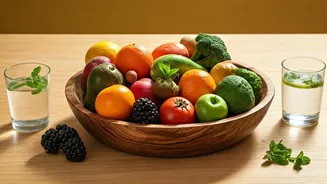
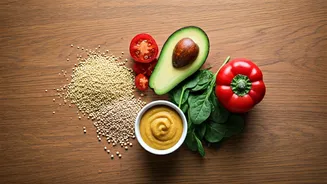
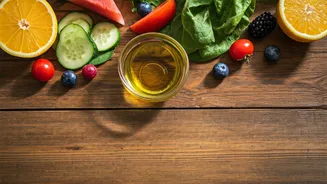
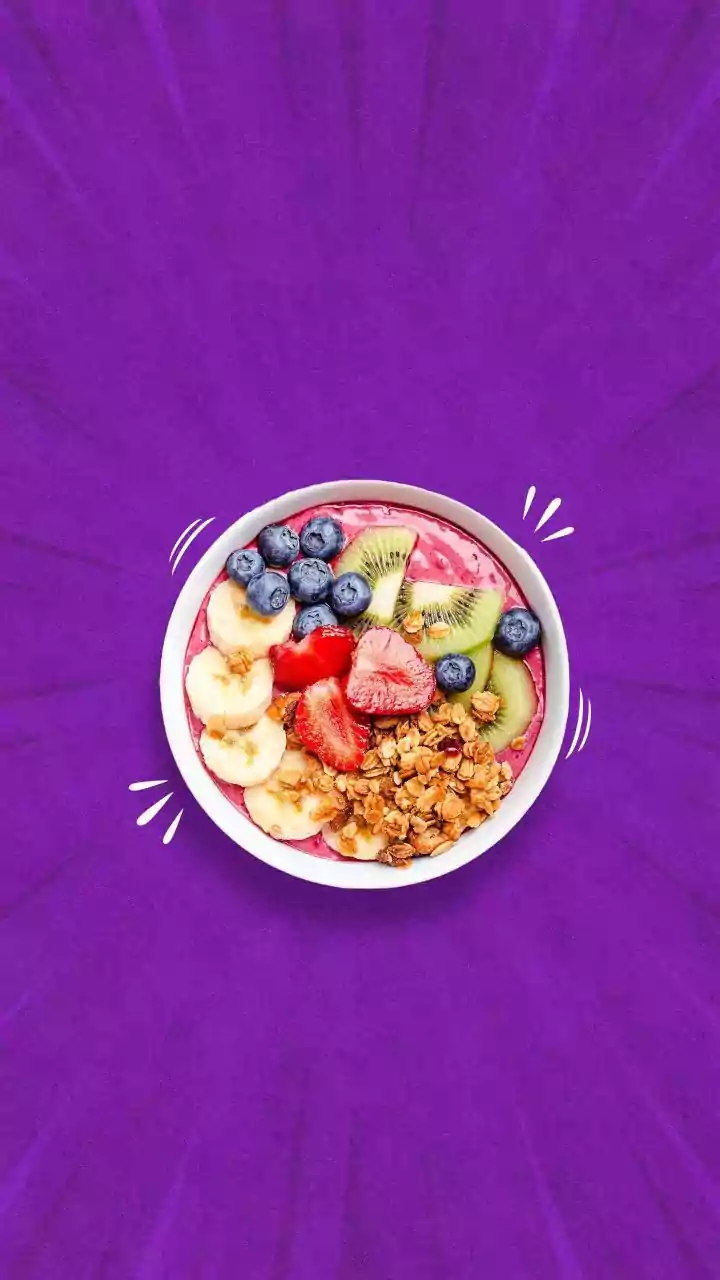
Beyond our internal biology, a powerful cultural shift is reshaping our summer plates. The global wellness movement, amplified by perfectly curated Instagram and TikTok feeds, has firmly planted the ideal of ‘eating light’ and ‘eating clean’ in our minds. In the summer, this translates into a visual feast of vibrant salads, colourful fruit platters, detox waters, and chilled smoothie bowls. These aren't just meals; they are aesthetic statements. When you see influencers and celebrities posting about their refreshing watermelon juice or quinoa salad, it subtly reframes indulgence. Suddenly, luxury isn’t a rich, heavy curry; it’s a beautifully arranged plate of food that promises to cool you down, hydrate you, and make you ‘glow’. This aspirational aspect makes it easier to skip the oily street-side snack in favour of something that feels both healthier and more modern.
It’s Not Goodbye, It’s See You Later
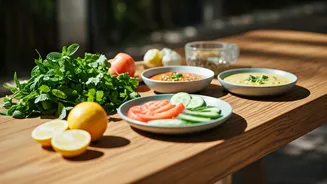
This trend isn't a declaration of war on traditional Indian cuisine. No one is suggesting we permanently banish samosas or kachoris. Instead, it’s about a more mindful and seasonal approach to eating. Many are rediscovering the wealth of naturally summer-friendly dishes that have always been part of our culinary heritage. Think of cooling cucumber raita, tangy and light solkadhi, hydrating bowls of panta bhat, or a simple kachumber salad. Furthermore, modern kitchen gadgets are playing a huge role. The rise of the air fryer, for example, allows people to enjoy the crispy texture they love from foods like vadas or cutlets with a fraction of the oil. It’s an evolution, not a rejection. We are learning to adapt our beloved recipes to fit a new context, proving that Indian food can be as light and refreshing as it is rich and comforting.
Hydration is the New Indulgence
Perhaps the biggest shift is in our definition of a ‘treat’. In the past, a summer treat might have been a trip to a chaat corner. Now, it’s increasingly about hydration. The focus has moved to water-rich fruits and vegetables like melons, cucumbers, and leafy greens. Beverages have also seen a makeover. Sugary, carbonated drinks are being pushed aside for nimbu paani, fresh coconut water, buttermilk (chaas), and homemade iced teas. This pivot towards hydration as a form of self-care makes perfect sense. Dehydration is one of the biggest dangers of Indian summers, affecting everything from our energy levels to our skin and overall health. By prioritising foods and drinks that replenish our fluids, we are not just following a trend; we are engaging in a practical act of wellness that makes us feel instantly better, a reward far more satisfying than the fleeting pleasure of a greasy snack.