




The Real Cost of a Rushed Holiday
We’ve all seen them: itineraries promising three countries in seven days. The appeal is understandable—to see as much as possible when time and money are tight. However, this ‘fast travel’ approach often comes with hidden costs that go beyond the initial
ticket price. When you’re in a hurry, you spend more on transportation, grabbing expensive taxis instead of figuring out the local bus route. Meals become quick, overpriced affairs at tourist traps rather than delicious, affordable discoveries in a quiet neighbourhood. This constant movement leads to burnout, transforming what should be a relaxing getaway into a stressful race against the clock. The result is a collection of photos but few genuine memories, leaving you feeling like you need a holiday to recover from your holiday.
The Financial Case for Slowing Down
It may seem counterintuitive, but staying longer in one place can dramatically reduce your daily expenses. Think about it: major one-off costs like flights are spread out over a longer period, lowering their per-day impact. Accommodation providers, from hostels to homestays and apartments, often offer significant weekly or monthly discounts. A longer stay in a single location allows you to settle in, shop at local markets, and cook some of your own meals, saving a fortune on restaurant bills. You also have the time to find the best local eateries—the ones crowded with residents, not just tourists—where the food is both authentic and inexpensive. You're no longer paying a premium for convenience at every turn; instead, you're saving money by living more like a local.
From Tourist to Temporary Local
The greatest benefit of a longer stay isn't just financial. It's the profound shift from being a tourist to becoming a temporary local. When you aren't rushing, you have the freedom to wander without a strict agenda, discovering hidden parks, quirky shops, and neighbourhood cafes that aren't in any guidebook. You can take the time to learn a few phrases in the local language, understand cultural norms, and build genuine connections. This deeper engagement is where the real magic of travel lies—in the spontaneous conversations, the unexpected invitations, and the feeling of truly understanding a place beyond its famous landmarks. Slow travel allows you to trade a frantic checklist for a rich, immersive experience.
Practical Tips for Planning a Slower Getaway
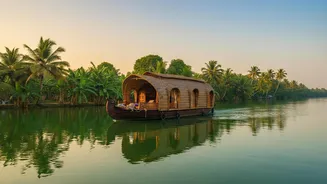
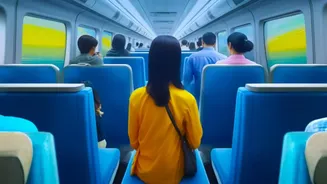
Embracing a slower travel style starts with a mindset shift during the planning phase. Instead of asking "How many places can I visit?" ask "How deeply can I experience one or two?" Opt to explore a single region thoroughly rather than country-hopping. In India, for example, instead of rushing between Delhi, Agra, and Jaipur, consider spending your entire trip exploring the quieter towns and trekking routes of Himachal Pradesh or the backwaters of Kerala. Look for off-season deals, which not only save you money but also mean fewer crowds. Use public transport like trains and buses, which are not only budget-friendly but also offer a unique cultural window. Booking an overnight train can save you the cost of a night's accommodation while covering long distances.