





Beyond the Label: Why Food's Form Matters
It’s easy to think of food in terms of its nutrients—carbs, proteins, fats. But how that food is structured physically and chemically plays a huge role in how it interacts with your gut. Think about an apple versus apple juice. The whole apple contains
intact plant cell walls and fibers that our digestive enzymes in the small intestine can't easily break down. This allows the fiber to travel to the colon, where it becomes a feast for trillions of microbes. These microbes ferment the fiber, producing beneficial compounds like short-chain fatty acids which are vital for gut and overall health. In contrast, the processing that turns an apple into juice breaks down these structures. The sugars are released and quickly absorbed, meaning there's little left for the gut microbes to work with. Studies show that how we cook our food also changes its effect. Cooking can make some nutrients more available to us, but it can also alter the parts of food that would otherwise feed our gut bacteria. This means that minimally processed, whole foods often provide the best fuel for a healthy microbiome.
The Big Picture: Your Diet as a Whole
Adding a single 'superfood' to an otherwise unhealthy diet is like planting one flower in a garden full of weeds. While the intention is good, the overall environment is what truly dictates the outcome. Research consistently shows that long-term dietary patterns have a much greater impact on the microbiome than any single food. A diet rich in a wide variety of plant-based foods, like the Mediterranean diet, is associated with a diverse and resilient gut microbiome. This diversity is key to health, as different microbes perform different functions, from helping to digest food to training our immune system. Conversely, a Western-style diet, typically high in processed foods, sugar, and unhealthy fats, is linked to lower microbial diversity and an increase in inflammation-promoting bacteria. These long-term habits create an entire ecosystem in your gut. Focusing on the overall quality and variety of your diet provides a consistently supportive environment for beneficial microbes to thrive, which is far more effective than trying to offset poor choices with a daily dose of kefir or kimchi.
The 'You' Factor: It's Personal
Perhaps the most crucial piece of the puzzle is you. Two people can eat the exact same meal and have completely different responses, and much of this comes down to individual biology. Your unique genetic makeup, the existing composition of your gut microbiome, your age, and even your stress levels all influence how your body and its microbial residents react to food. This is the entire premise behind the growing field of personalized nutrition. Scientists have found that a person’s baseline microbiome can predict how they will respond to a dietary change. For example, someone with low levels of fiber-degrading bacteria may see a dramatic and positive shift when they increase their fiber intake, while someone who already eats a high-fiber diet may experience a more subtle change. This explains why a diet that works wonders for one person might have little effect on another. There is no one-size-fits-all solution for gut health. Understanding that your body's response is unique is empowering, shifting the focus from following generic rules to paying closer attention to what works for your individual system.
Putting It All Together for a Healthier Gut
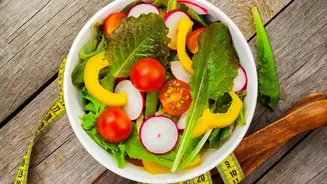
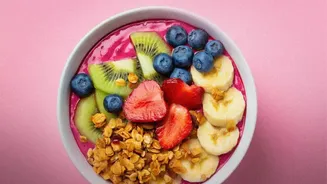
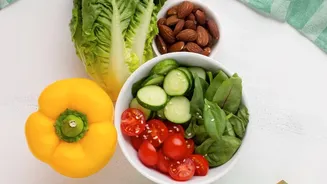
So, if there's no single magic bullet, what's the best approach? It's about embracing the complexity and focusing on principles rather than prescriptions. Prioritize whole and minimally processed foods to ensure their natural structures remain intact. A carrot is better than carrot juice; whole grains are better than refined flour. Broaden your dietary horizons. Instead of fixating on one or two superfoods, aim for a wide variety of fruits, vegetables, nuts, seeds, and legumes. Each type of plant food feeds different beneficial bacteria, contributing to a more diverse and robust microbial community. Finally, listen to your body. Pay attention to how different foods and eating patterns make you feel. This self-awareness, combined with a focus on whole foods and dietary variety, is a more sustainable and effective path to supporting your gut microbiome than chasing the latest health trend. The goal is not perfection, but a consistent pattern of making choices that nourish both you and your inner ecosystem.