




The New School of Snackers
A fundamental shift is underway, driven primarily by Millennial and Gen Z consumers. This digitally native demographic is more informed and inquisitive than any generation before it. Armed with smartphones and a global perspective on wellness, they are
moving from mindless indulgence to mindful consumption. Recent studies highlight this trend, with one report finding that 73% of Indians now read ingredient lists and nutritional information before making a snack purchase. Of those, a staggering 93% expressed a desire to switch to healthier options, directly linking label-reading to conscious choices. This isn't just a niche urban phenomenon; growing awareness and digital influence are pushing these habits into smaller towns as well. This generation snacks differently, often replacing traditional meals with smaller, more frequent bites, but they are making smarter choices while doing so.
From Taste to Transparency
So, what’s fuelling this change? It's a mix of growing health consciousness, increased access to information, and a post-pandemic focus on wellness. Younger consumers are increasingly aware of the impact of diet on long-term health and are wary of highly processed foods. This has ignited a demand for "clean labels"—products with short, simple, and recognizable ingredient lists. According to a 2026 report, ingredient transparency is the single most important factor for 62% of consumers when choosing a snack brand, ranking higher than traditional marketing pulls like celebrity endorsements. This demand for honesty is forcing manufacturers to rethink not just their marketing, but their core formulations. The influence of social media also plays a significant role, with wellness influencers and food bloggers shaping perceptions and promoting a culture of ingredient scrutiny.
Decoding the Label: What Buyers Are Looking For
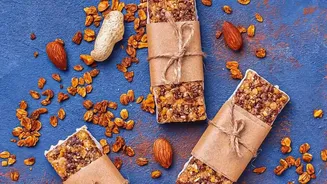
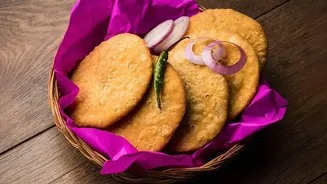
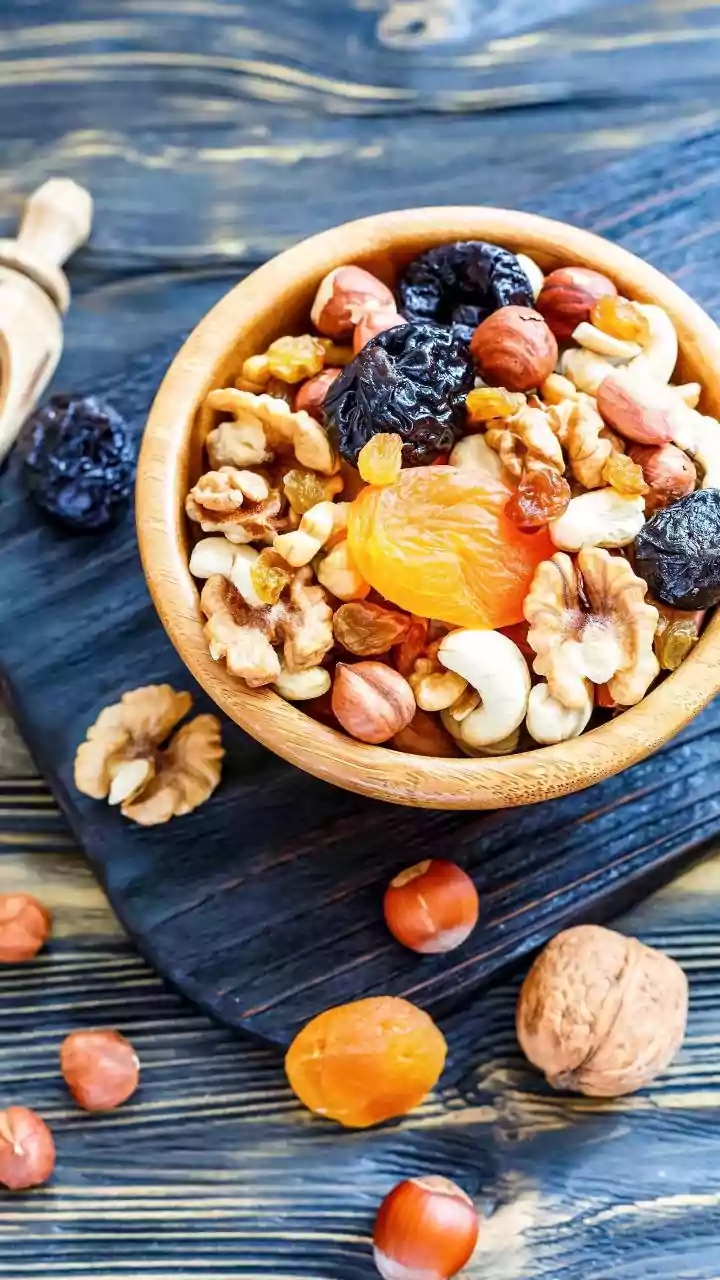
When young Indians scan a snack packet today, they are on a specific mission. Protein content has become a mainstream priority, with 86% of consumers considering it an important factor. Many are willing to pay a premium for protein-rich products, seeing them as functional foods that offer benefits beyond just satisfying hunger. They are also on the lookout for what isn't there. Consumers are actively avoiding snacks with high levels of refined sugar, with 61% preferring natural sweeteners like dates and jaggery. There is also a clear preference for natural, additive-free products made with wholesome ingredients like nuts, seeds, and whole grains such as millets. This has led to the rising popularity of snacks like makhana (fox nuts), which are favoured by millennials and Gen Z. The demand extends to cooking methods, with baked, roasted, or air-fried versions of traditional favourites gaining ground over deep-fried options.
Brands on Notice: The Industry Responds
The Indian snack industry, a market projected to grow significantly, is taking note. The shift in consumer demand is creating a massive opportunity for both legacy brands and new-age startups. Companies are innovating to meet these new standards, launching products that are baked instead of fried, using alternative grains like millets and ragi, and creating vegan or gluten-free options. Startups have built their entire philosophy around the "clean label" trend, offering transparency from farm to packet. Even large, established players are reformulating recipes to reduce sugar, salt, and fat, and are highlighting nutritional benefits like added protein or fibre on their packaging. This evolution is not just about health; it's about blending tradition with modern nutritional science to create snacks that satisfy both cravings and wellness goals.