





The Golden Rule: Isolate and Conquer
The foundation of successful rainy-season packing is creating a strict separation between wet and dry items. Think of it as a quarantine system for your luggage. Anything that is wet, has been wet, or could potentially get wet must be kept isolated from
your core dry belongings. This isn't just about separating a damp swimsuit; it's a mindset that applies to everything from your umbrella to your muddy shoes. The goal is to ensure that even if one item gets soaked, the dampness cannot spread. A simple plastic bag is a start, but a true zone-based system provides a much more robust defence against the persistent dampness of the monsoon.
Your Tools: More Than Just Plastic Bags
To properly establish your zones, you need the right gear. While ziplock bags are great for small electronics and documents, upgrading your toolkit makes a world of difference. Dry bags, which are fully waterproof sacks with a roll-top closure, are the gold standard for your wet zone. They can hold a drenched rain jacket or a damp towel without letting a single drop escape. For your dry zone, consider water-resistant packing cubes. While not fully submersible, they protect clean clothes from ambient humidity and minor leaks. And never underestimate the power of a heavy-duty garbage bag; using one as a liner for your entire backpack adds a crucial layer of protection.
Establishing Your 'Dry Zone' Fortress
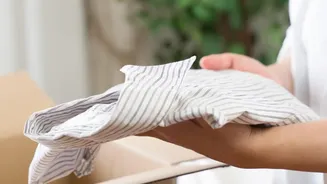
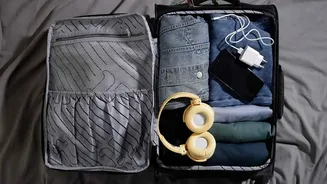
Your dry zone is for the items that absolutely must not get wet: clean clothes, sleepwear, and sensitive electronics. This is where fabric choice is critical. Pack quick-drying synthetic fabrics like polyester and nylon instead of cotton, which absorbs moisture and can take days to dry in high humidity. Use packing cubes to organise these clothes, keeping them compressed and easy to find. For extra security, place critical electronics like your power bank and laptop in their own waterproof pouches before putting them inside your main bag. Distributing a few silica gel packets throughout your dry compartments can also help absorb ambient moisture.
Managing the 'Wet Zone' on the Go
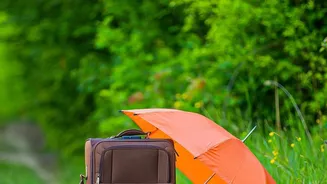
Your wet zone is dynamic; it’s where you’ll store items after they’ve been exposed to the elements. This dedicated space, ideally a roll-top dry bag, is for your used umbrella, damp rain poncho, and muddy footwear. Having a designated bag for these items prevents you from having to make a difficult choice between getting the inside of your backpack dirty or carrying a dripping umbrella by hand. It also contains odours from damp clothes or mildewed towels. As soon as you get to your hotel, empty the wet zone bag and hang the items to dry, even if they're still inside the room. Air circulation is key to preventing musty smells.
Don't Forget Your Daypack
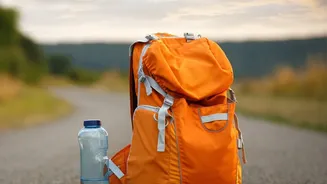
The zone system isn't just for your main luggage; it's even more critical for the bag you carry daily. Your daypack is your first line of defense against a sudden downpour. Keep a small dry bag or a few extra ziplock bags inside it at all times. This allows you to quickly protect your wallet, phone, and portable charger when the skies open up. A waterproof rain cover for the daypack itself provides excellent protection for the entire bag. This two-pronged approach—protecting the bag from the outside and having waterproof containers on the inside—ensures your most essential daily items survive any unexpected storm.