





Rethink the Pookalam with Natural Flowers
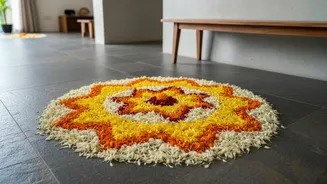
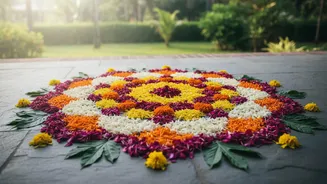
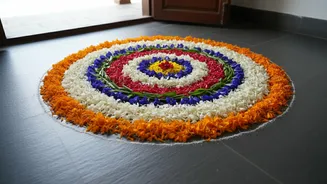
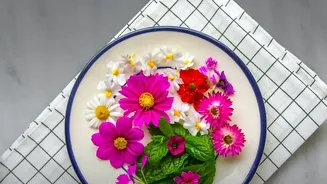
The pookkalam, or floral carpet, is the centrepiece of Onam. While beautiful, the use of plastic, dyed, or artificially treated flowers has become a concern. This year, return to tradition by using only fresh, locally sourced flowers like marigolds, jasmine,
and globe amaranth. These are not only biodegradable but also support local farmers and sellers. Government bodies and green initiatives across Kerala actively discourage plastic elements in pookkalams, even in official competitions. After the festivities, these natural flowers can be easily composted, returning their nutrients to the earth instead of ending up in a landfill. Avoid plastic glitter, synthetic colours, and foam bases, which contaminate organic waste and harm the environment.
Serve a Greener Onam Sadhya
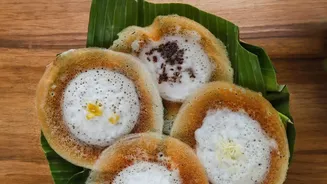
The grand Onam sadhya is a feast for the senses, but it can generate significant waste. The most traditional and eco-friendly way to serve the meal is on a banana leaf, which is fully biodegradable and can be composted. Many are now shifting away from disposable plastic plates, cups, and spoons, which are a major source of pollution. If banana leaves are unavailable, opt for reusable steel plates and cutlery. For serving, use traditional brass or wooden vessels instead of plastic. When it comes to the food itself, try to plan portions to minimise leftovers. A little planning can go a long way in preventing food waste, honouring the spirit of the harvest festival.
Choose Sustainable Decorations
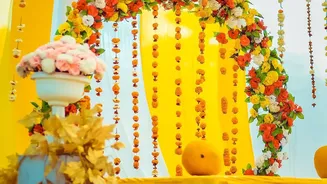
Decorations set the festive mood, but single-use plastic items have a lasting negative impact. Instead of plastic garlands and synthetic drapes, embrace natural and reusable materials. Fresh flower garlands, coconut fronds, and mango leaves can adorn doorways and walls. Traditional brass lamps (Nilavilakku) or even simple earthen diyas can be used for lighting instead of disposable plastic lights, adding a warm and authentic glow. You can also creatively repurpose old items. For instance, old silk sarees can be used as colourful drapes or table runners, adding a personal and sustainable touch to your decor.
Embrace Eco-Conscious Gifting
Gifting, or giving 'Onakkodi,' is a cherished tradition. This year, consider gifts that are both thoughtful and sustainable. Instead of plastic-wrapped items, opt for handloom garments like a traditional Kasavu saree, which supports local weavers. Handmade crafts, such as items made from coconut shells or wood, also make for unique and eco-friendly presents. Potted plants are another wonderful gift, symbolizing growth and prosperity. When wrapping gifts, avoid glossy plastic paper and opt for cloth bags or recycled paper. These small changes reduce waste and support a more circular economy.
Plan for Post-Festival Cleanup
A responsible celebration includes a plan for the waste that is generated. Initiatives like the 'Green Onam' campaign encourage systematic waste management. Before the festivities begin, set up separate bins for biodegradable waste (like flowers and food scraps) and non-biodegradable items. Floral waste can be composted at home to create nutrient-rich manure for your garden. Many local bodies and green brigades like the Haritha Karma Sena arrange for special collection drives during the festival season, so be sure to check for services in your area to ensure proper disposal and recycling.