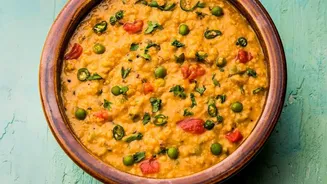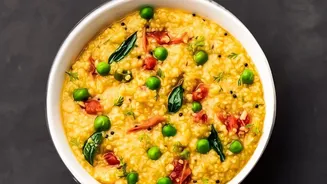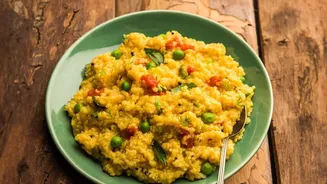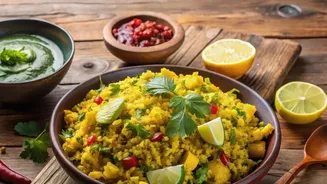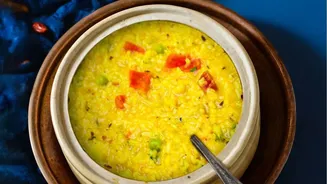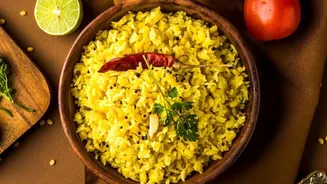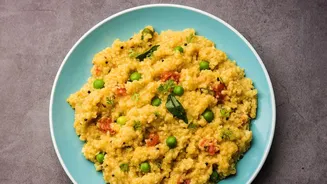





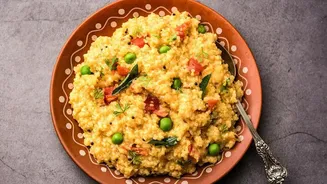
Marrying the comfort of khichdi with the science of training nutrition might seem complex, but it's simpler than you think. Oats khichdi is a powerful, versatile meal that can be tailored to perfectly match your fitness journey.
Why Oats Over Rice for Training?
Traditionally, khichdi
is made with rice and lentils. While delicious, swapping rice for oats offers distinct advantages for anyone who is physically active. Oats are packed with complex carbohydrates and a special soluble fibre called beta-glucan. This combination ensures a slow and steady release of energy, preventing the blood sugar spikes and crashes that can come from simpler carbs. This sustained energy is ideal for powering through a long workout. Furthermore, oats provide a good amount of plant-based protein, essential minerals like magnesium and iron, and B vitamins, all of which play crucial roles in muscle function, recovery, and energy metabolism.
The Ultimate Oats Khichdi Recipe
This base recipe is designed for nutrition and flavour, serving as the perfect canvas for your training needs. Ingredients: 1 cup rolled oats, ½ cup yellow moong dal (soaked for 20-30 minutes), 1 chopped onion, 1 chopped tomato, 1 cup mixed vegetables (like carrots, peas, and beans), 1 tsp ginger-garlic paste, ½ tsp turmeric powder, ½ tsp cumin seeds, 1 tbsp ghee or oil, salt to taste, and 4 cups of water. Method: Heat ghee or oil in a pressure cooker and add cumin seeds. Once they splutter, add the onion and ginger-garlic paste, sautéing until the onion is translucent. Add the chopped tomato and spices, cooking until soft. Next, add the mixed vegetables and drained moong dal, sautéing for another minute. Finally, add the rolled oats and water. Mix well, check for salt, and pressure cook for one whistle. Let the pressure release naturally before opening. Garnish with fresh coriander.
Portion Control: The Key to Your Goals
This is where cooking becomes training. Portion control isn’t about restriction; it's about providing your body with the right amount of fuel for the task at hand. A standard serving of this khichdi (about 1.5 to 2 cups) is a balanced meal. But for specific training goals, you need to adjust. Your portion size ensures you get the right balance of macronutrients—carbohydrates, protein, and fats—to optimize performance and recovery. Too much can lead to unwanted fat storage, while too little can leave you feeling sluggish and hinder muscle repair.
Adjusting Portions for Pre- and Post-Workout
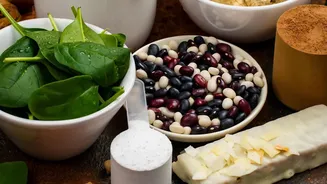
How you portion your oats khichdi depends on when you eat it in relation to your workout. As a Pre-Workout Meal (1–2 hours before): The focus is on carbohydrates for sustained energy. Stick to a standard 1.5–cup portion. The complex carbs from the oats will fuel your session without making you feel heavy. As a Post–Workout Meal (within 60–90 minutes after): The priority shifts to protein for muscle repair and carbohydrates to replenish glycogen stores. Increase your portion size to 2–2.5 cups. More importantly, boost the protein content. Mix in a scoop of unflavoured protein powder after cooking or top the khichdi with a generous serving of paneer bhurji, a boiled egg, or grilled chicken breast. This combination of protein and carbs is crucial for effective recovery.
Customise for Flavour and Nutrition
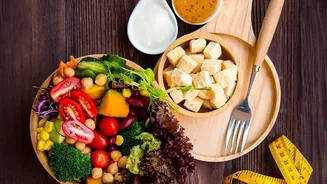
Don’t be afraid to customise your khichdi. Adding more vegetables like spinach or bell peppers increases the micronutrient content without adding significant calories. For a bigger protein punch in a vegetarian meal, you can cook the khichdi with different lentils or add cubed tofu or paneer directly into the dish while cooking. Healthy fats are also important; a spoonful of flax seeds or a handful of almonds on top can add texture and beneficial omega–3s. Remember that any additions will alter the nutritional profile, so be mindful of your overall goals.