




The Smoke Point Showdown
The single most important factor in this shift is the 'smoke point' — the temperature at which a fat stops shimmering and starts smoking. When an oil or fat is heated past this point, it begins to break down chemically. This process doesn't just create
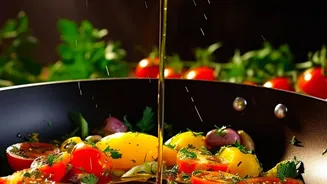
a burnt, unpleasant flavour; it also releases harmful compounds, including free radicals and acrolein, which are linked to inflammation and cellular damage. Indian cooking methods, from a sizzling tadka to deep frying, often involve high heat, making the smoke point of your cooking medium a critical consideration for both taste and health.
Cold-Pressed Oils Under Fire
Cold-pressed oils, extracted without high heat, are celebrated for retaining nutrients and flavour. Unrefined olive oil is perfect for a salad dressing, and cold-pressed mustard oil adds a pungent kick to pickles. However, many of these unrefined oils have relatively low smoke points. For instance, extra virgin olive oil can start to smoke at temperatures as low as 160°C, while butter smokes at around 175°C. When used for high-heat applications like frying, they can break down, destroying their beneficial compounds and creating the very toxins health-conscious cooks want to avoid. This doesn't make them 'bad', but it highlights that they are best suited for low-heat cooking or finishing dishes.
Ghee's High-Heat Stability
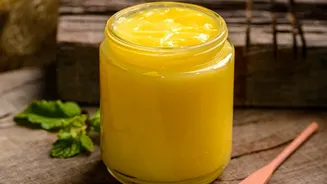
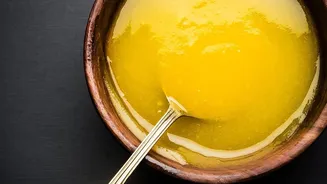
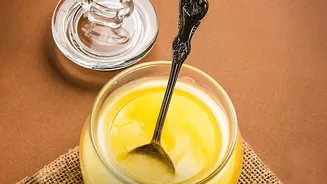
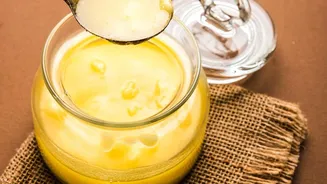
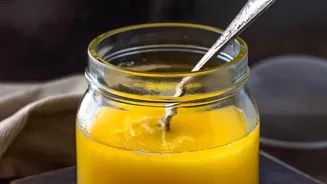
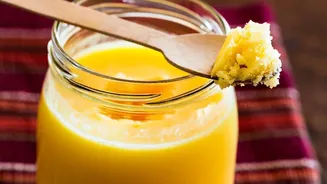
This is where ghee shines. As clarified butter with milk solids and water removed, ghee boasts a very high smoke point, typically around 250°C (482°F). This makes it one of the most stable fats for the high temperatures required in much of Indian cooking. You can sear, fry, and roast with ghee without the fat breaking down and becoming unstable. This stability means fewer harmful byproducts are formed, making it a safer and more reliable choice for everything from making a simple sabzi to frying festive snacks. The renewed appreciation for ghee is rooted in this scientific understanding of using the right fat for the right job.
The Health and Flavour Equation
For decades, ghee was sidelined due to its saturated fat content. However, the nutritional narrative is becoming more nuanced. While moderation is key, ghee is a natural fat free from the chemical processing, bleaching, and deodorizing that many refined vegetable oils undergo. It's a source of fat-soluble vitamins like A, E, and D. Ghee also contains butyric acid, a short-chain fatty acid that is known to reduce inflammation and support gut health. Beyond health, there's the undeniable flavour. Ghee adds a rich, nutty, and aromatic quality that many refined oils lack, enhancing the taste of spices and lending a comforting, traditional flavour to meals.
The Modern Appeal of Infused Ghee
Adding to ghee's comeback is a creative culinary twist: infused ghee. This isn't a new concept, as Ayurvedic medicine has used herb-infused ghee for centuries. But today, home cooks are embracing it for flavour and convenience. Imagine a garlic and herb ghee ready to be slathered on parathas, a turmeric and ginger ghee for a quick dal tadka, or a chilli-infused ghee to drizzle over snacks. These infusions add a layer of complex flavour directly into the cooking fat, saving time and elevating everyday dishes. It’s a modern pantry shortcut that feels both gourmet and grounded in tradition.