








More Than Just a Meal
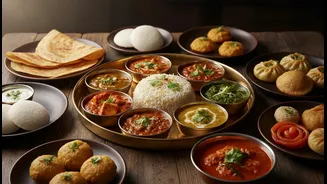
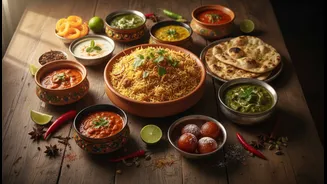
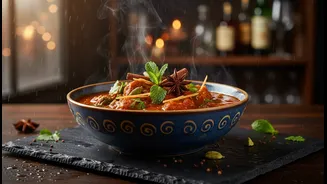
In India, food is rarely just about sustenance; it is a language of culture, history, and community. Each dish tells a story, whether it's the legacy of Mughal emperors in a rich biryani, the Portuguese influence in a Goan vindaloo, or the arid-climate
ingenuity behind Rajasthan's dal baati churma. By making food the primary reason for your journey, you move beyond the surface-level tourist experience. You begin to understand the nuances of a region through its most essential and cherished traditions, which are often preserved in the kitchen. Meals are occasions for sharing, a way to build relationships and strengthen family and community bonds.
A Map Drawn by Flavours
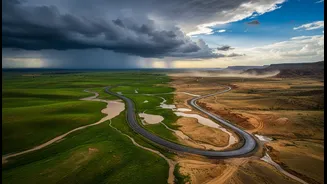
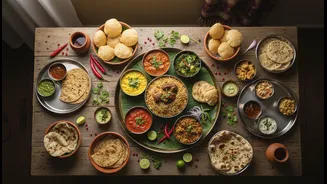
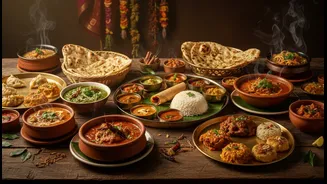
To travel for food in India is to redraw the map, connecting destinations through their iconic tastes rather than just their geographical proximity. There is no single 'Indian food'; the country holds dozens of distinct regional cuisines, with cooking styles, staples, and spices changing every few hundred kilometres. Planning a trip around the robust tandoori traditions of Punjab will lead you to the heart of Amritsar, famous for its kulcha and langar. A quest for the perfect Hyderabadi biryani takes you to the historic kitchens of the Nizams. Chasing the complex, peppery flavours of Chettinad cuisine will guide you through the villages of Tamil Nadu, revealing a culture you might otherwise have missed. This approach doesn't mean you skip the monuments; it means you arrive at them with a richer context, having already tasted the culture that built them.
The Language of Local Connection
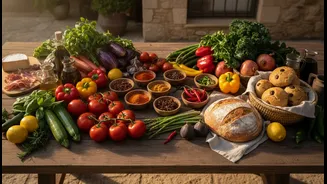
While sightseeing can sometimes feel passive, the pursuit of food is inherently interactive. It encourages you to engage with local communities in a meaningful way. Visiting a bustling market in Delhi to see where the ingredients for chaat come from, taking a cooking class in a Jaipur home to learn the secrets of Rajasthani thali, or simply sharing a cup of chai from a street-side vendor creates genuine moments of connection. Food becomes a universal language, breaking down barriers and opening doors to conversations and experiences that are often the most memorable parts of any trip. It fosters economic vitality by directly supporting local farmers, producers, and small businesses.
Discovering India's Hidden Stories
Every recipe is a historical document. The use of coconut and rice in South Indian cuisine speaks to its tropical climate and agricultural patterns. The elaborate, multi-course Wazwan feast in Kashmir is a reflection of a unique cultural and royal heritage. Mumbai's famous pav bhaji originated as a quick, hot lunch for textile mill workers in the 19th century. By following these culinary threads, you uncover the economic history, social structures, and daily rituals of a place. Food offers a delicious and accessible entry point into understanding the complexities and nuances of Indian culture, which is deeply influenced by everything from ancient Ayurvedic principles to religion and caste.
How to Plan Your Culinary Journey
Starting a food-centric journey is easier than it sounds. Begin by picking a region known for a cuisine that intrigues you—be it the coastal seafood of Kerala, the vegetarian thalis of Gujarat, or the sweets of West Bengal. Many cities now have guided food tours that take you to trusted street food vendors and historic eateries. Consider planning your trip around a food-related festival to see a culture in full celebration. Even small steps, like asking locals for their favourite place to eat instead of relying solely on guidebooks, can lead to incredible discoveries. The goal is to let your appetite lead the way, remaining open to the unexpected detours it suggests.