




A Monsoon Menagerie
From Mumbai's bustling streets to Delhi's leafy colonies, the monsoon brings a noticeable uptick in animal activity. The rains flood underground burrows and nests, forcing many creatures to seek higher, drier ground—often bringing them into our immediate
vicinity. This seasonal migration isn't a new phenomenon, but as cities expand into former wilderness areas, these encounters become more frequent and visible. The monsoon essentially pulls back the curtain on the surprisingly resilient ecosystem thriving just beyond our doorsteps. It’s a time when everything from the smallest insects to majestic birds makes its presence known.
The Dance of the Peacock
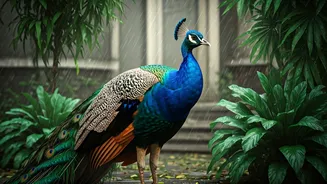
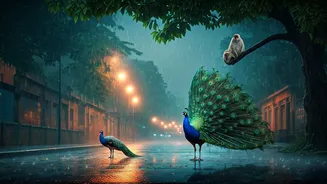
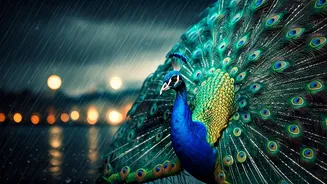
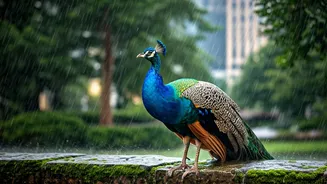
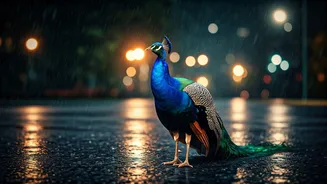
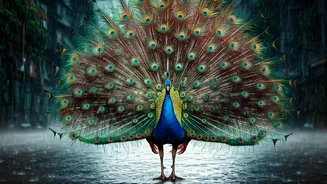
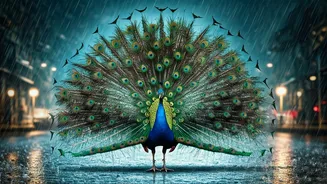
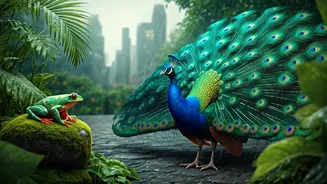
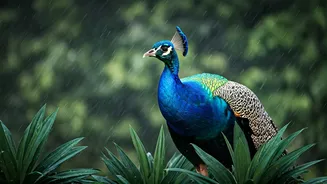
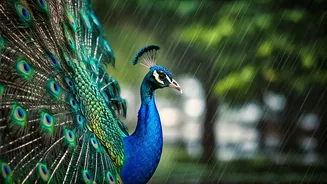
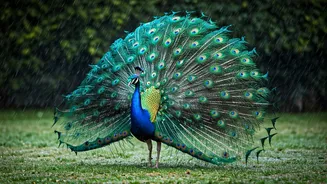
Perhaps no sight is more iconic of the Indian monsoon than a peacock with its feathers unfurled. Recently, residents of South Mumbai were treated to this very spectacle on Pedder Road, a rare and delightful sight that quickly went viral. The monsoon coincides with the peacock's breeding season, and the cooler, wetter weather, along with the sound of thunder, triggers their famous courtship dance. This elaborate display is designed to attract a peahen and signals the health and vitality of the male. Seeing this beautiful bird against a backdrop of high-rise buildings is a striking reminder of nature's persistence in our concrete jungles.
Amphibians and Insects Take Centre Stage
The monsoon is a boom time for amphibians and insects. The incessant croaking of frogs is a familiar soundtrack to rainy nights, as the wet conditions are perfect for them to find mates and lay eggs. Species like the vibrant Indian Bullfrog, which turns a bright yellow during this season, emerge from their year-long underground slumber. The purple frog, an elusive species, also surfaces for just two weeks during the monsoon to breed. Similarly, insect activity explodes. Many insects emerge from a dormant state called 'diapause' triggered by the rain. This leads to a profusion of butterflies, moths, and beetles, which in turn provides a feast for birds and lizards.
Unwanted Guests: Snakes and Scorpions
While dancing peacocks are a welcome sight, the monsoon also brings less celebrated creatures into our homes. As heavy rains flood their habitats, snakes are often forced to look for shelter in dry places. This can lead to them being found in homes, gardens, garages, and even water tanks. While most snakes encountered are non-venomous, like the common Rat Snake, the 'Big Four' venomous snakes—the Indian Cobra, Common Krait, Russell's Viper, and Saw-scaled Viper—are also more active. It's crucial to be cautious, use a flashlight at night, and keep surroundings clear of debris where they might hide. If you spot a snake, it is best to maintain a safe distance and call a local wildlife rescue organisation for assistance.
A Lesson in Coexistence
The increased visibility of urban wildlife during the monsoon is more than just a seasonal curiosity; it’s a reflection of our shared environment. The abundance of food and ideal breeding conditions makes the rainy season a critical period in the life cycle of many species. For predators like leopards, the wet ground and dense foliage make for better hunting conditions. These sightings, whether of a frog chorus, a snake seeking shelter, or a peacock's dance, highlight the delicate balance between urban development and the natural world. They serve as a powerful prompt to become more aware of the creatures we share our cities with and to foster a spirit of mindful coexistence.