
A Steamy Atmosphere, Light-Years from Home
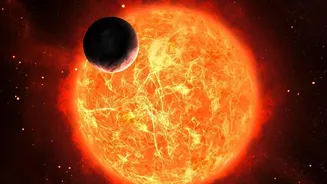
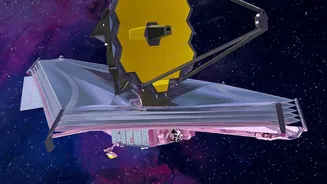
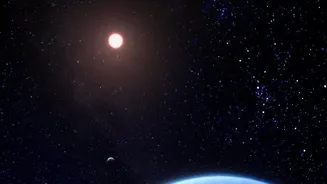
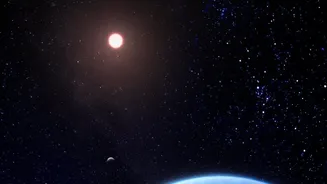
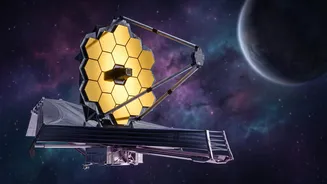
The latest breakthrough comes from observations of a planet far beyond our solar system. While astronomers have found hints of water on exoplanets before using telescopes like Hubble, the power of the JWST has provided an unprecedentedly clear and detailed
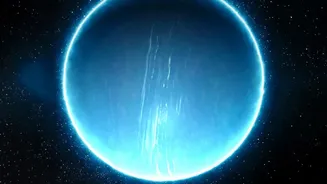
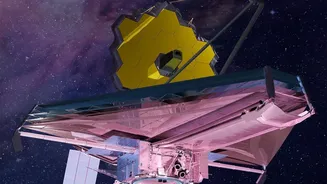
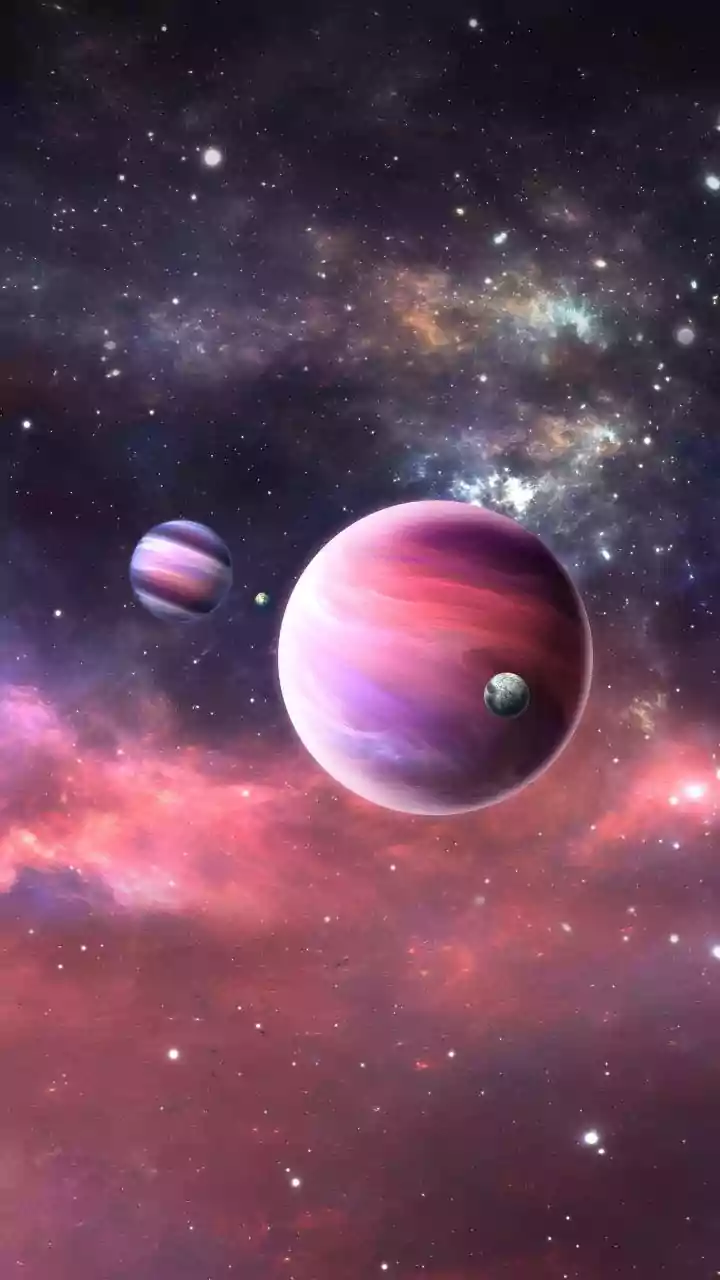
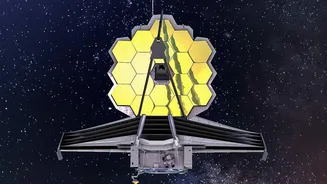
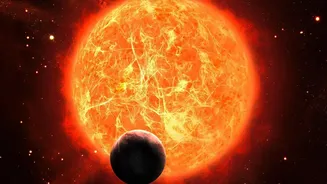
confirmation. The data reveals the unmistakable chemical signature of water molecules swirling in the atmosphere of a distant world. This isn't just a faint suggestion; it's a robust detection that turns speculation into fact. This achievement is a testament to the telescope's incredible capabilities, moving the field of exoplanet studies from simply finding planets to beginning to understand their chemistry in detail. This particular discovery centres on a type of planet known as a sub-Neptune or a world in a planet-forming disk, confirming that the essential ingredients for life as we know it are present in the atmospheres of other solar systems.
How to Read an Alien Sky
So, how can scientists detect a specific molecule like water from such an immense distance? The answer lies in a technique called spectroscopy. Think of it as analysing the colour profile of light. When a planet passes in front of its host star, a tiny fraction of the starlight filters through the planet's atmosphere. The gases and molecules in that atmosphere absorb very specific colours, or wavelengths, of light. Each chemical element or compound has a unique "barcode" of absorbed light. By using an instrument called a spectrograph, the JWST captures the starlight, spreads it out into a rainbow-like spectrum, and looks for the missing slivers of light. The distinct pattern of absorption lines detected in this case perfectly matched the known signature of water vapour, providing irrefutable proof of its presence.
More Than Just Water
While finding water is exciting, this discovery is about more than a single molecule. It's a powerful demonstration of the JWST's ability to characterise alien worlds. Recent discoveries have targeted various planets, including so-called 'Hycean' worlds—hot planets that may have oceans under hydrogen-rich atmospheres, like K2-18b—or planets in the early stages of formation, like those in the PDS 70 system. In the case of PDS 70, water was found in the inner disk where rocky planets are thought to form, suggesting that worlds like Earth could have access to water from the very beginning of their existence. These observations are crucial because they not only confirm the presence of key ingredients but also help scientists understand the planet's temperature, density, and the presence of clouds or haze, painting a more complete picture of its environment.
A Stepping Stone in the Search for Life
It's important to keep this discovery in perspective. The detection of water vapour does not mean we've found a lush, Earth-like world with flowing rivers. Many of the planets where water has been detected are gas giants or extremely hot, steamy worlds that would be inhospitable to life as we know it. However, this is a critical stepping stone. Proving that our most powerful telescope can definitively identify water vapour on a distant world validates the entire method. It means that as the JWST turns its gaze towards smaller, rockier planets orbiting in their stars' 'habitable zones'—the region where liquid water could exist on a planet's surface—we can have confidence in its findings. Each detection like this helps astronomers refine where and how to look for signs of life, moving us ever closer to answering humanity's most profound question.