



It’s Not Just a Plant, It’s a Philosophy
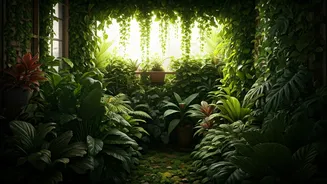
The explosion of greenery in our homes is part of a larger movement called “biophilic design.” It’s a fancy term for a simple idea: that humans have an innate need to connect with nature. This design philosophy is about intentionally incorporating natural
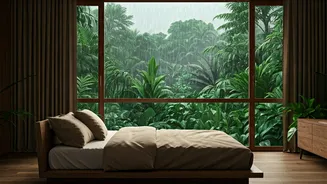
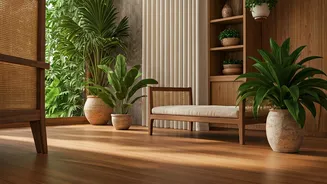
elements—like plants, water, natural light, and organic materials like wood and stone—into our modern built environments. It goes beyond placing a single pot in a corner. It’s about creating an ecosystem that blurs the line between indoors and outdoors, making our homes feel more like living sanctuaries than sterile boxes. The goal is to satisfy our subconscious craving for the natural world, which we've increasingly lost in our concrete urban jungles.
A Dose of Green for a Healthier Mind
Why has this trend taken hold so strongly now? The last few years have played a massive role. Forced to spend more time indoors, many of us realised how disconnected our living spaces were from the natural world. This craving for the outdoors sparked a green revolution inside our homes. Science backs this up. Studies have shown that interacting with plants can reduce stress, lower blood pressure, and boost creativity and focus. They purify the air, absorb noise, and introduce a sense of calm. The simple act of caring for a plant—watering it, watching it grow—provides a mindful ritual in our fast-paced lives. In essence, our plants are a form of self-care.
Back to Our Courtyards and Verandas
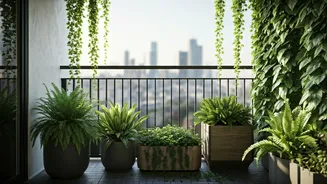
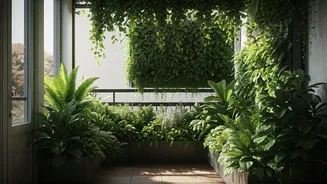
While biophilic design might sound like a new Western concept, it’s deeply resonant with traditional Indian architecture. For generations, our homes have been built around central courtyards (aangans) filled with tulsi plants, fragrant jasmine vines climbing up walls, and shady verandas that serve as a bridge between the home and the garden. These weren't just decorative choices; they were functional designs that promoted airflow, provided shade, and kept the home connected to nature's rhythms. The current trend isn't so much an import as it is a modern reawakening of our own age-old wisdom. We're simply finding new ways to express that timeless desire for a home that breathes.
Start with a Single, Bold Statement
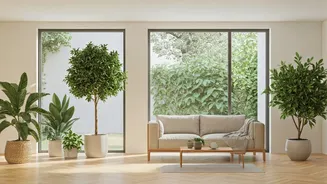
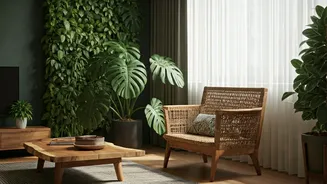
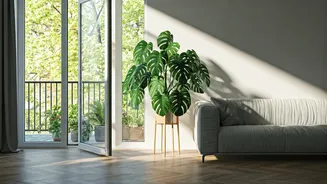
Feeling inspired but don't know where to begin? Don't overwhelm yourself by trying to create a jungle overnight. The easiest way to embrace this trend is with a single, large statement plant. Think of a tall Fiddle Leaf Fig, a majestic Areca Palm, or a sprawling Monstera Deliciosa in a corner of your living room. A large plant instantly adds drama, architectural interest, and a powerful dose of green. It acts as a living sculpture, drawing the eye and setting a natural tone for the entire room. Place it in a beautiful ceramic or terracotta pot to complete the look.
Create Lush Green Clusters
Once you're comfortable, move on to grouping. Instead of scattering small plants all over your house, cluster them together to create a more impactful display. This technique, called “plantscaping,” mimics how plants grow in nature. Combine plants of different heights, leaf shapes, and textures on a side table, a bookshelf, or a dedicated plant stand. For example, pair a tall Snake Plant with a trailing Money Plant and a bushy Fern. This not only looks more intentional and lush, but it also creates a micro-humid environment that helps the plants thrive together.
Think Vertically and Artfully
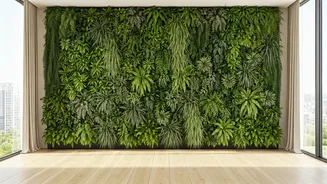
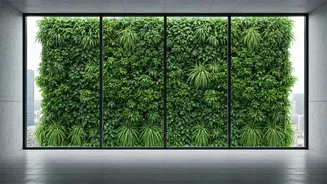
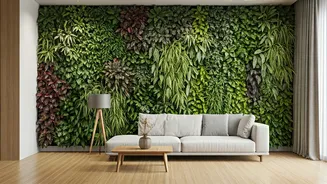
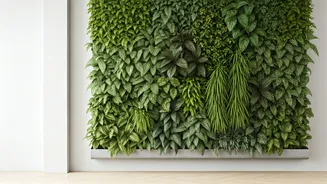
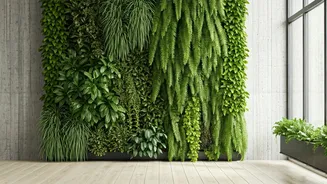
When you're short on floor space, look up! Vertical gardening is a perfect solution for smaller urban apartments. Use hanging planters to let trailing plants like English Ivy or a String of Pearls cascade down from the ceiling or a high shelf. Install simple wall shelves to display a collection of smaller pots. You can even create a “living wall” with special planters or train a creeper like the Betel Leaf plant (paan) to grow up a small indoor trellis. This draws the eye upward, making the room feel taller while adding a dynamic, artistic layer of green.