






The Green Gold Rush at Home
The biggest reason for the avocado's growing presence is local cultivation. For years, the market was dominated by pricey imported Hass avocados, but Indian farmers, particularly in the southern states of Tamil Nadu, Kerala, and Karnataka, have started
growing their own varieties. Regions like the Nilgiris, Coorg, and Kodaikanal offer the ideal cool climate and well-drained soil for the fruit to thrive. What started as a shade tree for coffee plantations is now becoming a profitable crop in its own right, offering farmers a valuable source of diversified income. This local boom means a more consistent and affordable supply, taking the avocado from a rare indulgence to a regular grocery list item.
A Friendlier Price Tag
For the average home cook, price is a major factor. Imported avocados can cost anywhere from ₹250 to ₹500 per kilogram, placing them firmly in the premium category. Domestically grown avocados, however, are significantly more affordable, often retailing for ₹120 to ₹250 per kilogram, depending on the season and location. This price difference is a game-changer. It allows families to experiment with the fruit without feeling the pinch, encouraging its use in daily meals rather than just on special occasions. As local production scales up, this gap between demand and supply is expected to narrow, potentially making prices even more competitive.
More Than Just Guacamole and Toast
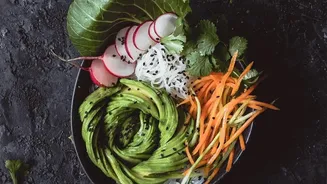
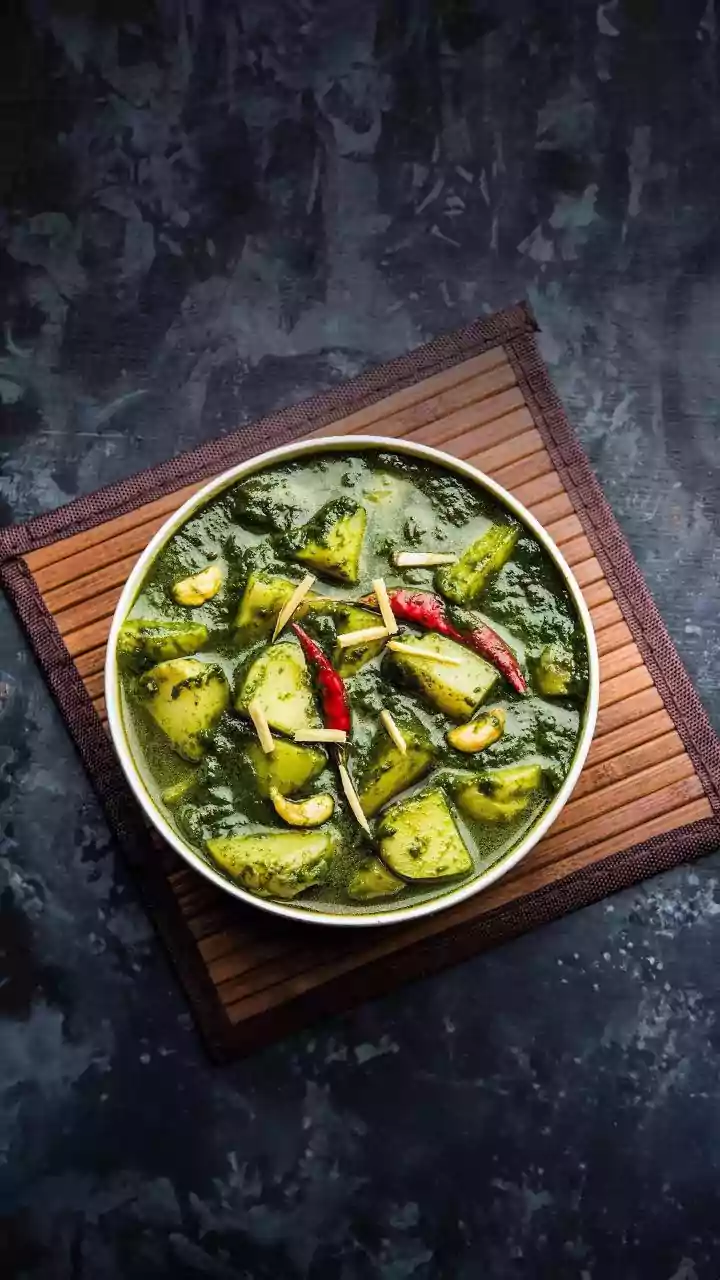
While avocado toast and guacamole are global favourites, Indian cooks are ingeniously adapting the fruit to local tastes. The creamy texture of the avocado, known locally as 'makhanphal' (butter fruit), lends itself beautifully to a variety of traditional dishes. Creative home cooks and chefs are blending it into chutneys for a creamier alternative to traditional mint-coriander versions, mashing it into dough for soft parathas, and dicing it into cooling raitas. It's also being used as a spread in roti wraps with paneer or sprouts, and even added to pulao for extra richness. This culinary creativity shows how the fruit is being embraced not as a foreign novelty but as a versatile ingredient in the modern Indian pantry.
The Health and Wellness Wave
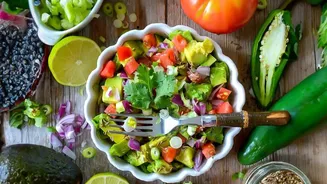
The avocado's rise is also perfectly timed with a growing health consciousness across India. Packed with healthy monounsaturated fats, fibre, and essential vitamins like K, E, and B6, avocados are a nutritional powerhouse. They are known to support heart health, aid digestion, and keep you feeling full for longer. As more people look for nutrient-dense foods to add to their diet, the avocado fits the bill perfectly. Its low sugar content and creamy texture make it a satisfying and healthy addition to smoothies, salads, and meals, appealing to everyone from fitness enthusiasts to families looking for nutritious options.
Getting to Know Your Local 'Butter Fruit'
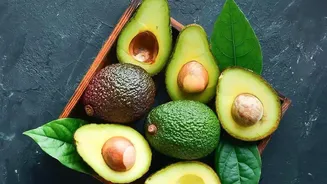
It's important to know that Indian avocados can differ from the popular imported Hass variety. Local types are often larger, with smoother, glossier green skin. Their flesh tends to have a lower oil content, giving them a more subtle, sometimes nuttier flavour and a slightly more watery texture compared to the intensely creamy Hass. This makes them particularly well-suited for smoothies, shakes, and chutneys where their milder taste can be easily incorporated. Knowing this difference helps home cooks choose the right avocado for their needs and manage expectations, ensuring the best culinary results whether they're making a traditional Indian dish or a Western-style salad.