



What You Are Looking For
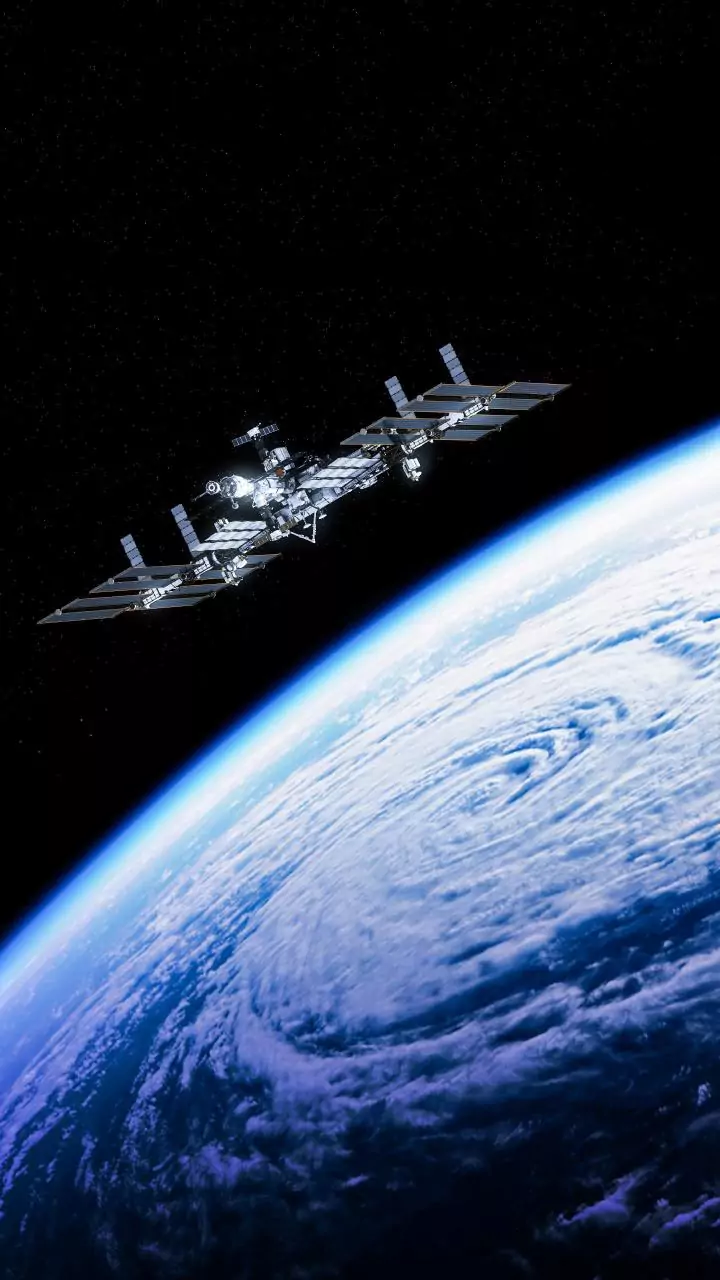
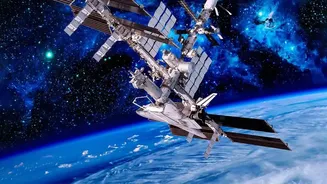
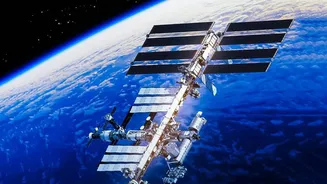
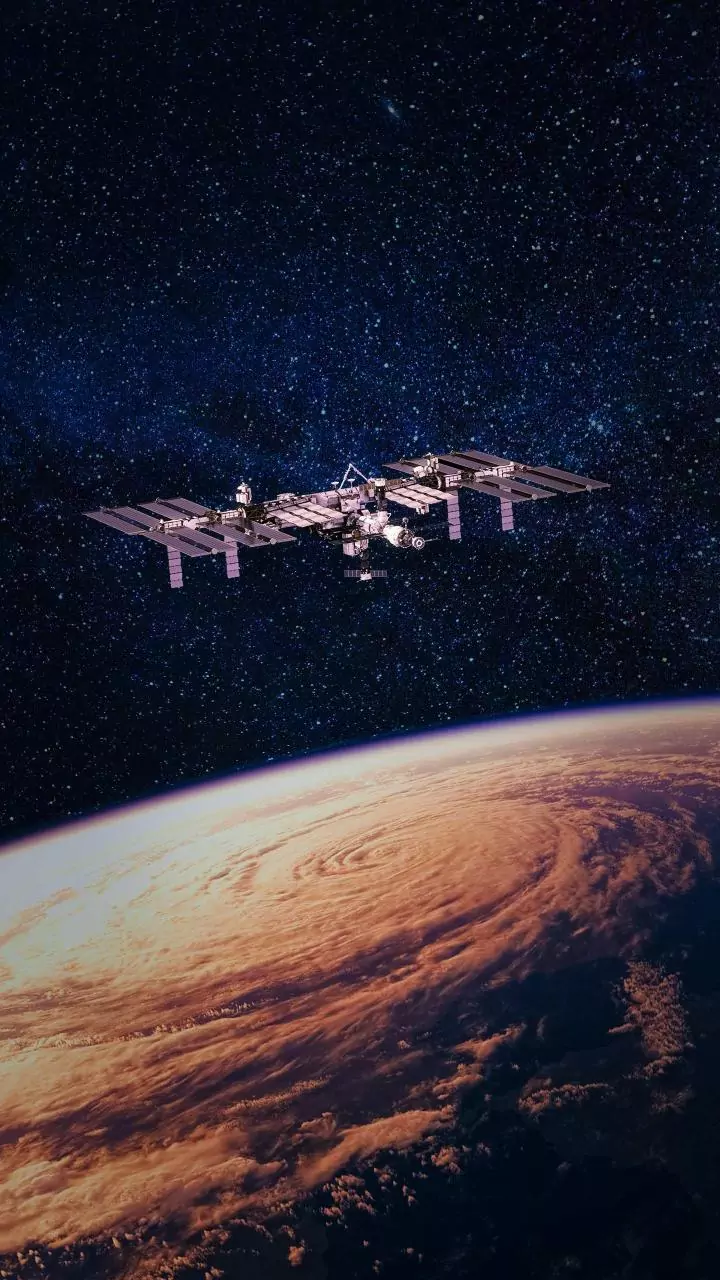
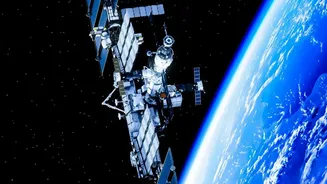
Spotting the International Space Station (ISS) for the first time is a memorable experience. To know what to look for, imagine a very bright star moving steadily across the sky. Unlike an airplane, the ISS does not have blinking lights; it shines with
a constant, brilliant light. It moves much faster than a plane, typically crossing the sky from horizon to horizon in just a few minutes.The reason we can see it so clearly is that its massive solar panels reflect sunlight, making it shine brightly against the twilight sky. In fact, at its brightest, the ISS is outshone only by the Sun and the Moon, and it can be brighter than the planet Venus. The best times to see it are usually shortly after sunset or just before sunrise, when the sky is dark but the station is high enough to catch the Sun's rays.
Start with NASA's Official Tool
The most reliable way to begin your ISS-tracking journey is with NASA's own service, 'Spot The Station'. Available as both a website and a free mobile app for Android and iOS, this tool is your direct line to official tracking data. You simply enter your city, and it provides a list of upcoming sighting opportunities. For each pass, it tells you the exact time it will appear, how long it will be visible, its maximum height in the sky, and the direction to look. You can even sign up for email or text alerts that notify you a few hours before the station is due to fly over your location, so you never miss a chance to head outside and look up.
Point and Identify with AR Apps
For an even more interactive experience, augmented reality (AR) apps like SkyView Lite or Star Walk 2 are fantastic choices. These apps use your phone's camera and GPS to create a live map of the sky. All you have to do is point your phone towards the stars, and the app will identify constellations, planets, and satellites in real time. When an ISS pass is scheduled, you can use the app's search function to locate it. The app will then guide you, showing you exactly where the station will appear and the path it will take across your sky. This is especially helpful for beginners who are still learning to navigate the night sky.
For the Dedicated Enthusiast
If you find yourself hooked on satellite spotting, apps like Heavens-Above and ISS Detector offer a deeper dive. Heavens-Above has been a favourite of amateur astronomers for years, providing detailed charts and predictions not just for the ISS but for a vast number of other satellites. ISS Detector is another excellent, user-friendly app that focuses on providing clear notifications for visible passes of the ISS, SpaceX's Starlink satellite trains, and other bright objects. Its premium version can even track planets and comets. These apps are perfect for those who want more data and want to know about other interesting objects flying overhead.
Simple Tips for a Perfect Sighting
Once you have your app and you know when to look, a few simple tips can make the experience even better. First, try to head outside about five minutes early. This gives your eyes time to adjust to the darkness, making it easier to spot the station as it appears. While the ISS is bright enough to be seen from light-polluted cities, finding a spot with a clear, open view of the sky, like a park or an open field, will always improve the view. Know the direction in which the station will appear and disappear; your app will provide this information. Finally, be patient. The station will appear as a small dot on the horizon before growing brighter as it climbs higher in the sky.