

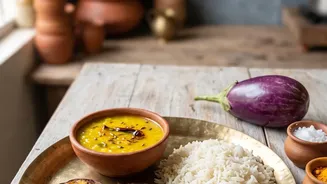

The Foundation: Perfect, Fluffy Grains
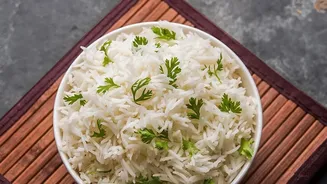
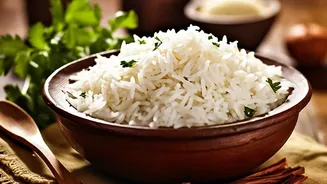
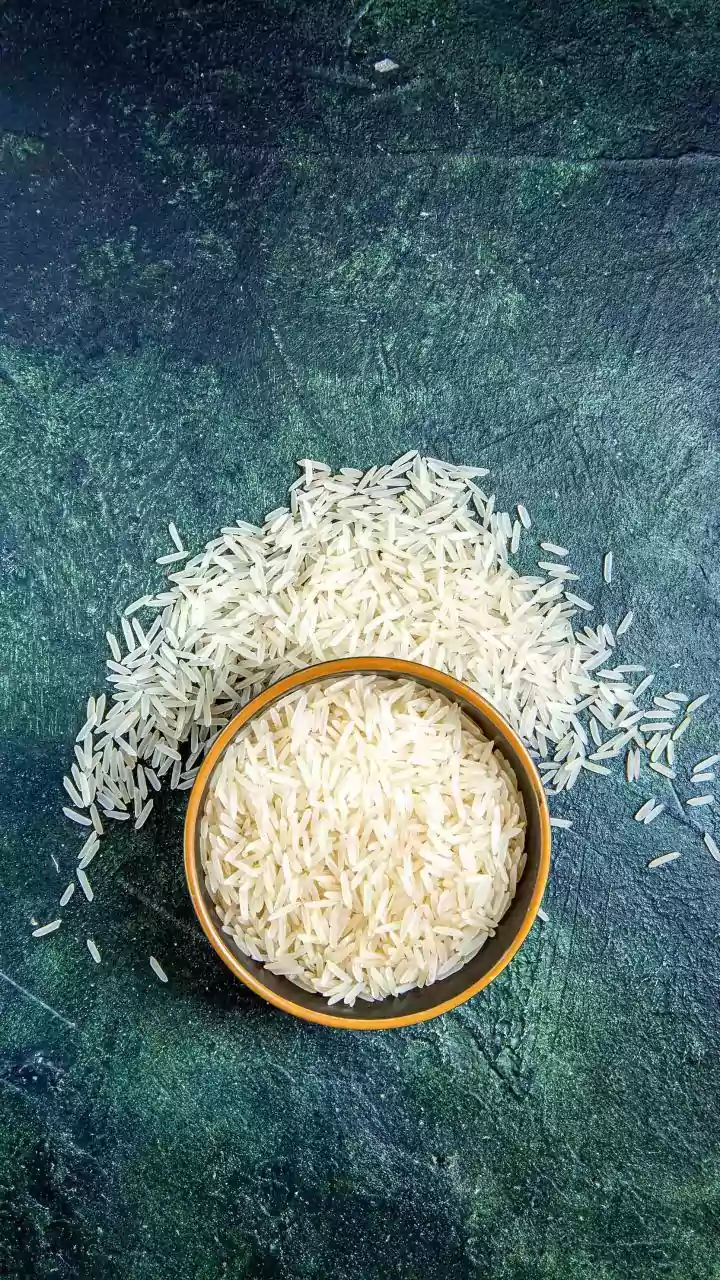
The secret to any great rice dish is perfectly cooked grains. For basmati, this means long, separate, and fluffy. The most common mistake is using too much water, which leads to a mushy texture. A foolproof method is the absorption technique. First, rinse
the rice under cold water until it runs clear to remove excess starch. For every cup of basmati rice, use 1.5 cups of water. Bring the rice and water to a simmer in a saucepan without a lid. Once the entire surface is bubbly, cover the pot with a tight-fitting lid, reduce the heat to its lowest setting, and cook for 12-15 minutes. Crucially, do not lift the lid during this time. After cooking, remove the pot from the heat and let it rest, still covered, for at least 5-10 minutes. This allows the steam to finish the cooking process. Finally, fluff the grains gently with a fork, never a spoon, to avoid breaking them.
One-Pot Wonders: The Versatile Pulao
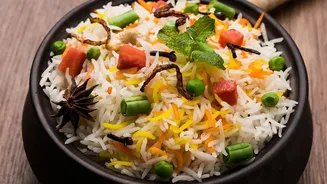
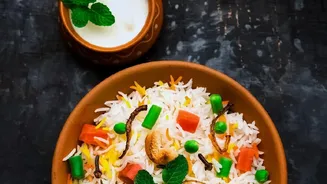
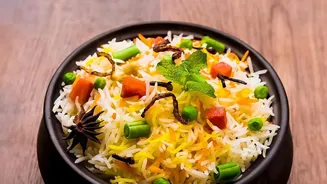
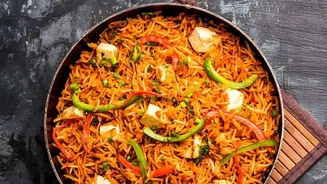
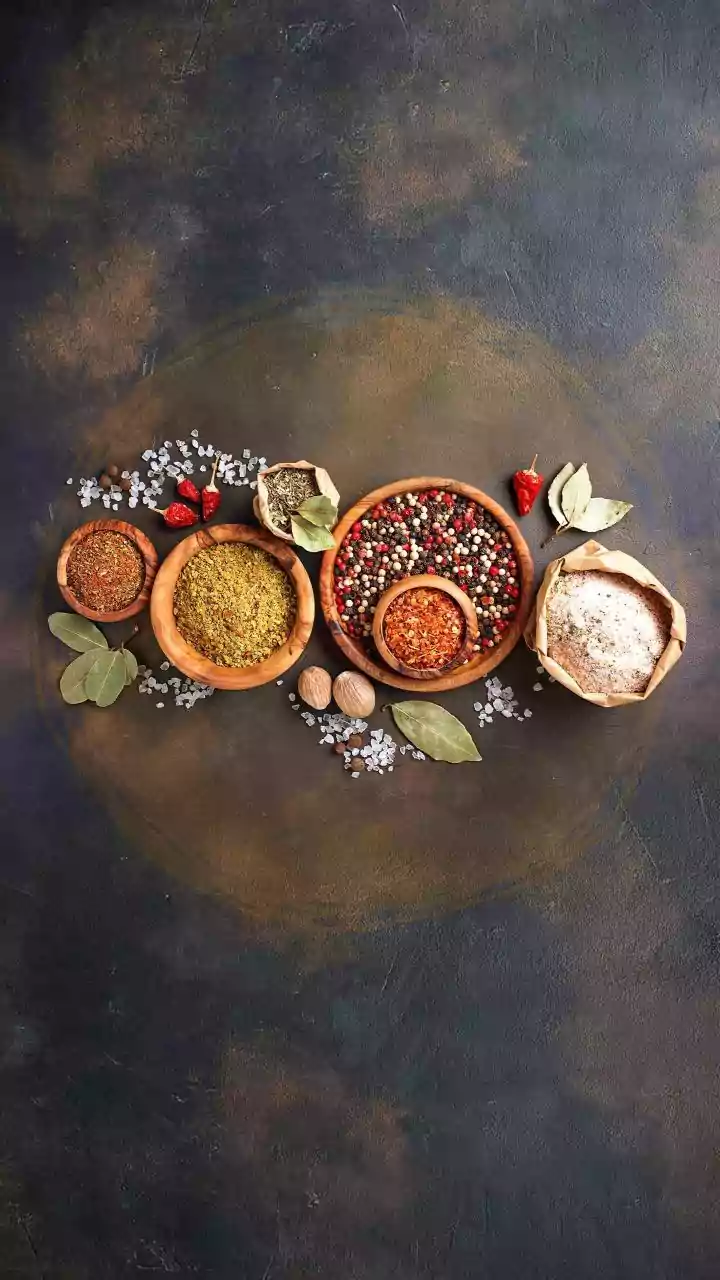
A vegetable pulao is the quintessential one-pot lunch. It’s a fantastic way to use leftover vegetables and is easily adaptable. Start by heating ghee or oil and tempering whole spices like cumin seeds, cloves, cardamom, and a bay leaf until fragrant. Sauté sliced onions until golden, then add ginger-garlic paste. Next, add your choice of chopped vegetables—carrots, beans, peas, and potatoes are classics. Stir in the soaked and drained basmati rice, coating it with the spiced oil. Add water (following the 1.5:1 ratio) and salt, then bring to a boil before covering and simmering on low heat until cooked. For a richer flavour, you can use coconut milk instead of water or add pan-fried paneer cubes along with the vegetables. This dish packs beautifully for a lunchbox and is delicious even at room temperature.
Quick & Tangy: South Indian Flavours
When you're short on time, South Indian flavoured rice dishes are a lifesaver, especially when using leftover cooked rice. Lemon Rice, or Chitranna, is a prime example. The process involves creating a flavourful tempering, or 'tadka'. Heat oil and add mustard seeds, waiting for them to pop. Then, add chana dal, urad dal, and raw peanuts, frying until golden brown. Add curry leaves and green chillies for a final burst of aroma. Turn off the heat, stir in turmeric powder for its vibrant yellow colour, and pour this entire mixture over your cooled, cooked rice. Finally, add salt and freshly squeezed lemon juice to taste, mixing gently until every grain is coated. This dish comes together in minutes and its zesty flavour is incredibly refreshing.
A Different Approach: Hearty Rice Salads
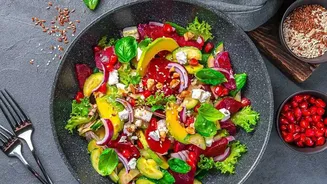
Don't limit basmati to hot dishes. Cooled basmati rice serves as an excellent base for substantial and satisfying salads. The key is to dress the rice while it's still warm, as it will absorb more flavour from the vinaigrette. For a Mediterranean-inspired version, toss cooked brown basmati rice with chopped red onion, garlic, bell peppers, tomatoes, celery, and black olives. A simple dressing of extra virgin olive oil and white wine vinegar works perfectly. For another variation, combine cooled rice with chickpeas, grated carrots, and toasted pine nuts, and dress it with a spiced vinaigrette made from toasted cumin, coriander, and turmeric. These salads are perfect for meal prep, as the flavours continue to meld and improve in the fridge.
The Crispy Bottom: Exploring Tahdig
For a truly impressive and texturally exciting dish, try making a vegetarian Tahdig. This Persian specialty is all about creating an intentional crispy, golden crust at the bottom of the pot. After par-boiling the basmati rice, a layer is created at the bottom of an oiled pot. This can be a mixture of rice, yoghurt, and saffron, or thin slices of potato. The remaining rice is mounded on top, and holes are poked through to help steam escape. The pot is then covered (often with a towel-wrapped lid to absorb moisture) and cooked on low heat until the rice is fluffy and the bottom is deeply golden and crisp. Inverting the pot onto a platter reveals the stunning, crunchy tahdig. While it requires more patience, the reward is a show-stopping centrepiece dish with an irresistible texture.