

The Cloud Kitchen Advantage
The food delivery boom has reshaped urban dining, but its most exciting impact might be the rise of micro-cloud kitchens. These delivery-only outfits, often run from a small commercial space or even a home kitchen, have minimal overheads. There's no expensive
rent for a prime location, no seating to manage, and no front-of-house staff. This lean model has become a powerful launchpad for culinary entrepreneurs who want to share niche, regional, and indigenous cuisines without the prohibitive costs of opening a traditional restaurant. For them, a passion for heritage, a good internet connection, and a presence on delivery apps are the main ingredients for success. This structure allows chefs to focus on one thing: the authenticity of the food.
A Taste of Heritage
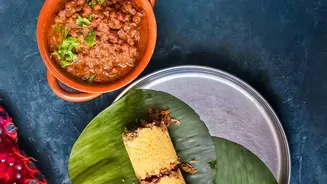
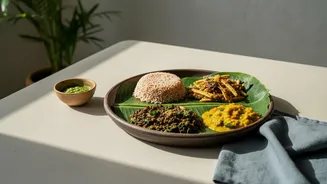
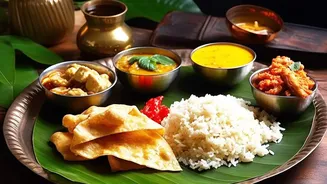
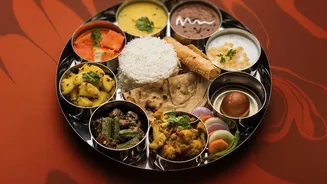
So, what exactly is on the menu? We’re not talking about the standard fare that has been adapted for a generic national palate. These kitchens are fiercely protective of their roots, serving dishes that tell the story of a specific region, tribe, and family. In Delhi, a cloud kitchen like Rosei Ghara brings the subtle and simple flavours of Odisha to the capital, with offerings like slow-cooked Bamboo Mutton that reflect a deep connection to home-style cooking. Similarly, Bamboo Hut, a delivery-only Naga kitchen, introduces diners to the pungent, fiery world of fermented soybeans (akhuni), smoked pork, and unique chutneys made with ghost peppers. These are flavours that are complex, often unfamiliar, and deeply rooted in the local topography and traditions of their origins.
Profiles from the Digital Frontier
Behind every one of these kitchens is a founder with a mission. In Delhi, Rosei Ghara was started to bridge the gap for authentic Odia food in the city, moving from a home kitchen to a cloud kitchen format to meet growing demand. In Bengaluru, Joshital operates as the city's first authentic Pahadi cloud kitchen, delivering home-style food from Uttarakhand. The founders make it a point to use original spices like 'Jambu' and 'Bhang' sourced directly from the Himalayan state, ensuring every dish, from Aloo Ke Gutke to Jhangora Ki Kheer, is true to its Garhwali and Kumaoni origins. These entrepreneurs are not just chefs; they are cultural ambassadors, using food as a medium to share their heritage with a new and curious audience.
More Than a Meal: A Cultural Connection
For many customers, ordering from these kitchens is about more than just dinner. For people who have moved to the city from these regions, it's a taste of home that was previously unavailable. It’s the comfort of a familiar flavour, a dish their grandmother used to make, delivered to their doorstep. For others, it’s a culinary adventure. It is an opportunity to explore the incredible diversity of India's food landscape beyond the usual restaurant menus. Every order comes with an implicit story about a different way of life, a different climate, and a different culture. By supporting these micro-enterprises, customers are not just eating a meal; they are participating in the preservation and celebration of culinary heritage.
The Road Ahead
The path for these micro-kitchens is not without its challenges. Sourcing authentic, region-specific ingredients can be a logistical puzzle. Marketing a niche cuisine in a crowded digital marketplace requires creativity and persistence, with many owners relying on social media and word-of-mouth to build a loyal following. However, the growing demand for authentic, regional food suggests a bright future. As urban Indian palates become more adventurous, the appetite for these unique culinary experiences is only set to grow. These small kitchens are proving that with the right blend of technology and tradition, even the most remote and regional flavours can find a welcoming table in the heart of the city.