




The New Cream of the Crop
Walk into any trendy, artisanal dessert parlour in Mumbai, Bengaluru, or Delhi, and you'll likely notice a recurring theme: the humble coconut. Not just as a garnish, but as the very foundation of their most popular offerings. Coconut milk, long a staple
of savoury South Indian and Southeast Asian curries, has undergone a dramatic reinvention. It's now the go-to base for a generation of chefs and bakers creating desserts that are both indulgent and aligned with modern dietary preferences. This isn't just a quiet shift; it's a full-blown movement. Shops report selling out of their coconut milk-based creations, and social media feeds are filled with glistening scoops of coconut ice cream and wobbly plates of coconut panna cotta.
The Triple-Threat Appeal
So, why the sudden 'madness' for coconut milk? The trend is being fuelled by three powerful currents. First is the health and wellness wave. As more Indians become conscious of their dietary choices, lactose intolerance and the desire for plant-based alternatives have entered the mainstream. Coconut milk offers a naturally creamy, satisfying substitute for dairy without any of the associated digestive issues for a growing part of the population. Second is its incredible culinary versatility. Its subtle, nutty sweetness and rich, fatty texture make it a perfect canvas. It can absorb bold flavours like dark chocolate and coffee or complement delicate ones like rose and cardamom, making it a dream ingredient for creative pastry chefs. Finally, there's the perception of it being a 'clean' and 'natural' ingredient, which resonates strongly with consumers looking for treats that feel less like a guilty pleasure and more like a mindful indulgence.
More Than Just Ice Cream
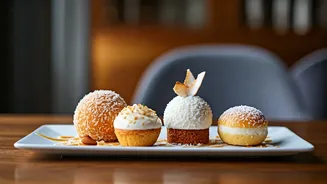
While dairy-free ice cream may have been the gateway, the world of coconut milk desserts is now incredibly diverse. Artisanal makers are pushing the boundaries of what the ingredient can do. You can find silky-smooth tender coconut mousse, often sweetened with jaggery for a rustic, earthy flavour. There are sophisticated coconut panna cottas, infused with everything from pandan leaves to espresso. Bakeries are whipping up fluffy cake frostings using chilled coconut cream, offering a lighter alternative to traditional buttercream. And let's not forget the modern takes on classics, like Thai-style mango sticky rice presented with a fine-dining flair, or inventive kheer and payasam variations that use different types of coconut milk for layered textures and flavours. Each creation highlights the ingredient's ability to be both comforting and chic.
The Artisanal Advantage
This trend is thriving in small-batch, artisanal shops for a reason. Unlike large-scale commercial producers who rely on standardised formulas, these independent creators can afford to experiment. They can source high-quality coconuts, press their own milk for maximum freshness, and avoid the gums and stabilisers often found in mass-market products. This 'bean-to-bar' ethos, applied to the coconut, results in a cleaner flavour and superior texture. Furthermore, these chefs are adept at localising the trend, pairing coconut milk with distinctly Indian ingredients. Think coconut and saffron gelato, Alphonso mango and coconut sorbet, or even a deconstructed payasam tart. This fusion of a global trend with local sensibilities is what makes the current moment so exciting and delicious.