




The Lasting Charm of Artisan Pottery
Mass-produced items often lack a personal touch, but a piece of handmade pottery tells a story. Each mug, bowl, or vase is unique, carrying the marks of its creator and offering a sense of authenticity that can't be replicated. Gifting artisan pottery is not
just about giving an object; it's about sharing a piece of functional art that can be woven into the recipient's daily life, whether it's for their morning tea or as a statement décor piece. Furthermore, choosing to buy from local artisans supports small businesses and helps preserve traditional craft techniques. These pieces are often made with durability in mind, designed to last for decades and become cherished heirlooms rather than ending up in a landfill.
Potted Succulents: A Gift That Grows
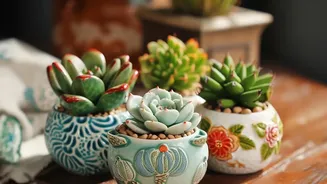
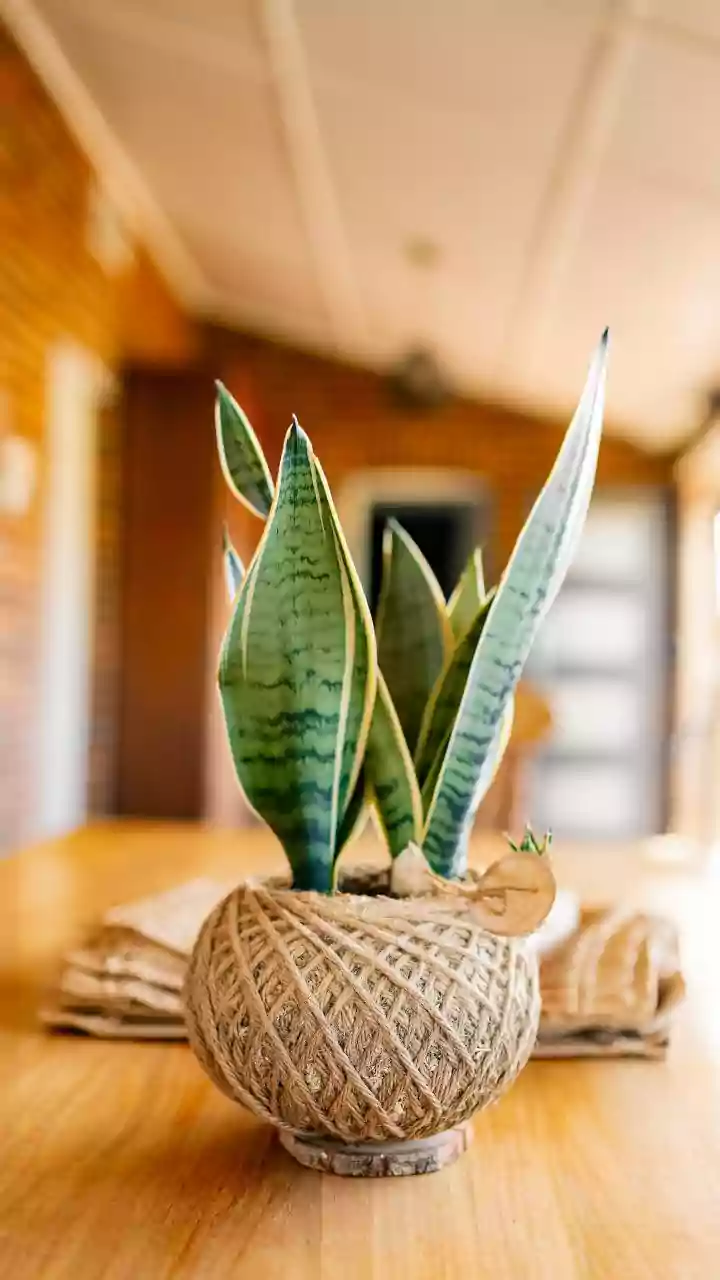
For a present that brings life and a touch of nature indoors, a potted succulent is an excellent choice. These hardy plants symbolise resilience and growth, making them a meaningful gift for many occasions. Succulents are famously low-maintenance, making them suitable even for friends who are new to plant parenthood. When gifting, consider the container. A simple terracotta pot can be painted or decorated for a personal touch. For a more elaborate presentation, you can create an arrangement in a larger planter, combining different types of succulents that have similar light and water needs. The gift becomes not just the plant, but a complete decorative piece that will continue to grow and evolve.
Rethinking the Wrap: Fabric and Furoshiki
Conventional gift wrap often contains plastics, glitter, and dyes that render it non-recyclable. A beautiful and sustainable alternative is the Japanese art of Furoshiki, which uses cloth to wrap gifts. You can use a patterned scarf, a piece of repurposed fabric, or a specially designed Furoshiki cloth. This method is not only waste-free but also adds a second gift—the wrap itself can be reused by the recipient. There are numerous simple folding and knotting techniques for different shapes and sizes, from basic knots for a box to more intricate wraps for bottles. The result is an elegantly packaged present that makes a powerful statement about conscious consumption.
Creative Packaging with Natural Elements
If you prefer a more rustic look, there are many ways to package gifts beautifully without plastic. Kraft paper, which is recyclable and biodegradable, is a great starting point. Instead of plastic ribbons and bows, use natural twine or compostable paper tape. For decoration, look to nature: a sprig of rosemary, a dried orange slice, a pinecone, or a few fresh flowers can add a wonderfully festive and fragrant touch. You can also reuse materials you already have, such as newspapers, maps, or old cardboard boxes, which can be decorated with stamps or drawings for a personalised feel.
Combining Elements for the Perfect Gift
The true magic happens when you combine these ideas. Imagine gifting a beautiful, handcrafted ceramic mug filled with the soil and a small succulent ready to be potted. Or a stunning artisan bowl wrapped elegantly in a Furoshiki cloth that complements its colours. You could also create a themed gift basket: a small terracotta pot, a succulent, and a curated bag of potting soil, all nestled in a reusable linen sack instead of a plastic-lined basket. Another idea is to use seed paper as a gift tag—handmade paper embedded with seeds that the recipient can plant later. These combinations show an extra layer of thought and care, turning a simple present into a memorable, multi-faceted experience.