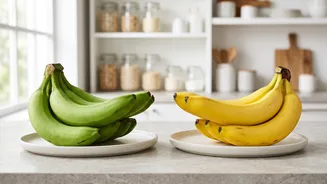






The humble banana is a fruit bowl staple, but did you know its nutritional profile dramatically changes as it ripens? Deciding between a firm, green banana and a soft, spotted one is about more than just taste; it's a choice that impacts your health.
The Great Starch and Sugar Swap
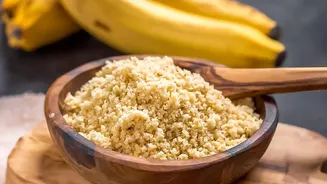
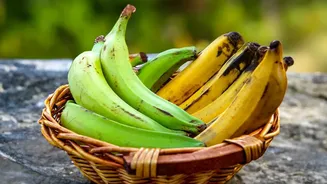
The most significant difference between green and ripe bananas lies in their carbohydrate composition. An unripe, green banana is packed with resistant starch. As the name suggests, this type of starch 'resists' digestion in your small intestine. As a banana ripens, enzymes convert this starch into simple sugars like sucrose, glucose, and fructose. This is why a firm green banana has a starchy, almost bitter taste, while a yellow, spotty banana is soft and sweet. A green banana can be composed of 70-80% resistant starch, but this drops to less than 1% once it's fully ripe.
Impact on Your Gut and Digestion
Because resistant starch in green bananas passes through the small intestine undigested, it functions like a prebiotic fiber. It travels to the colon where it becomes food for your beneficial gut bacteria. This process can support a healthy gut microbiome and contribute to better digestion. On the other hand, the simple sugars in ripe bananas are easier for most people to digest, making them a good option for a quick energy boost or for those with sensitive stomachs. However, as bananas ripen, they also accumulate FODMAPs (fructans), which can cause bloating and discomfort for individuals with Irritable Bowel Syndrome (IBS). For this reason, those on a low-FODMAP diet may tolerate firm, less-ripe bananas better.
Blood Sugar and The Glycemic Index
The type of carbohydrate also dictates how a banana affects your blood sugar. Thanks to their high resistant starch content, green bananas have a low glycemic index (GI), often cited as being around 30 to 42. This means they cause a slower, more gradual rise in blood glucose levels, making them a better choice for individuals managing diabetes or seeking sustained energy. In contrast, as the starch converts to sugar, the GI of a ripe banana increases to a moderate level, typically between 51 and 62. This provides a quicker source of energy, which can be ideal for athletes post-workout, but may cause a more noticeable spike in blood sugar.
A Shifting Nutrient and Antioxidant Profile
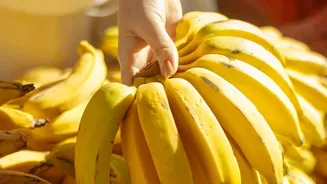
While the core mineral content like potassium and magnesium remains relatively stable during ripening, other compounds change. Interestingly, antioxidant levels tend to increase as a banana ripens. The brown spots on a very ripe banana are an indicator of higher levels of beneficial plant compounds that help combat oxidative stress in the body. However, some heat_sensitive micronutrients, like vitamin C, may slightly decrease as the fruit becomes overripe. A yellow banana with a few brown spots often represents a good balance, offering both easy_to_digest energy and a solid dose of antioxidants.
How Cooking Changes the Game
The headline's mention of 'preparation method' often points to cooking, particularly for green bananas, which are treated like a vegetable in many cuisines. Cooking green bananas breaks down the resistant starch, making them softer, sweeter, and easier to digest—much like a naturally ripened banana. While this heat processing can make the starchy texture more palatable, it also reduces the prebiotic benefits and lowers the resistant starch content that helps manage blood sugar. Boiling may also cause some water_soluble vitamins to leach out, though minerals like potassium are largely unaffected by heat.