

A New Language of Style
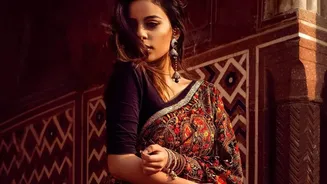
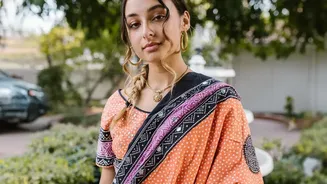
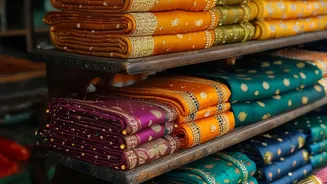
A quiet but powerful revolution is reshaping Indian fashion. It's not happening in couture houses, but on college campuses, in cafes, and across social media. Generation Z is spearheading a movement that fuses the rich heritage of Indian handloom fabrics
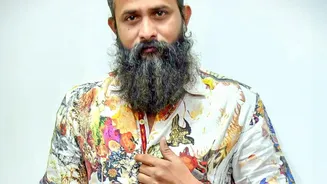
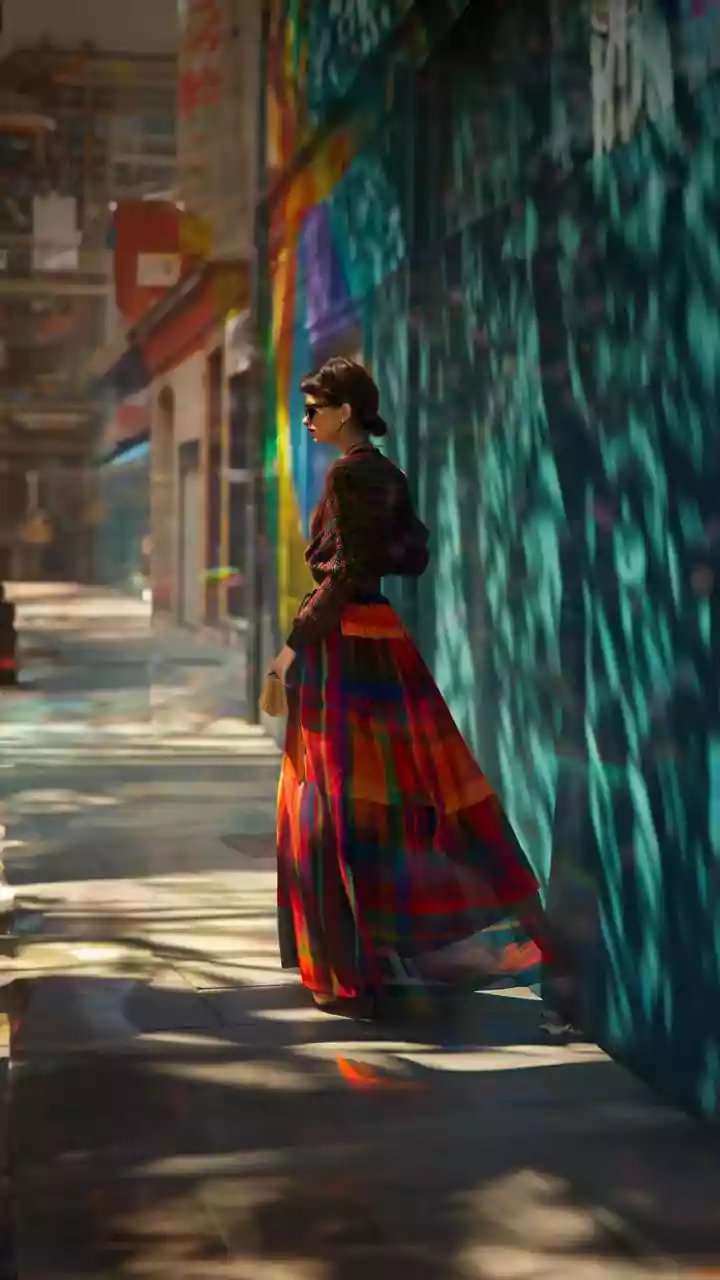
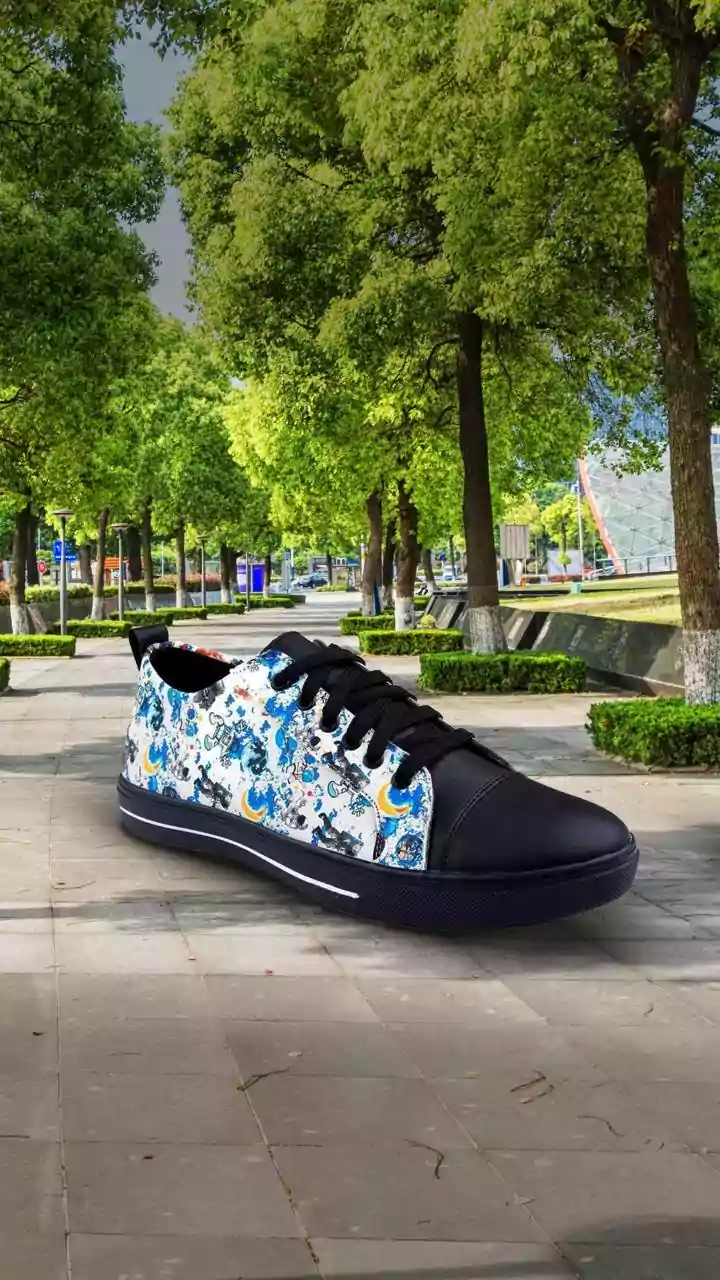
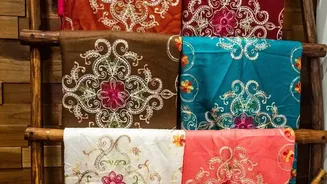
with the edgy, comfort-driven silhouettes of global streetwear. This isn't about simply adding an 'ethnic twist' to a Western outfit; it's a complete reinterpretation of style. We're seeing hand-dyed Bandhani patterns on hoodies, ancient Ajrakh block prints on cargo pants, and Kantha embroidery on sneakers. Brands like Jaywalking and Almost Gods are gaining cult followings by embedding Indian culture into their designs, creating pieces that feel both globally relevant and deeply personal.
The Search for Authenticity and Identity
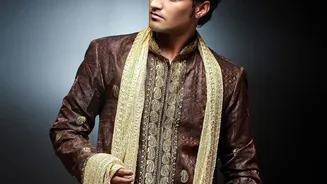
For many young Indians, this trend is a way to connect with their roots in an authentic, modern way. In an era of globalised fast fashion, wearing a garment made from a traditional textile is a statement of identity. It’s a rebellion against mass-produced homogeneity and a nod to a rich cultural legacy. According to a 2024 NIFT campus survey, 73% of Gen Z respondents link their textile choice more with identity than with brand logos. This generation is turning away from fleeting trends and investing in pieces with a story, seeking clothing that validates their heritage in the context of their daily urban lives. The result is a style that is unapologetically Indian yet speaks a universal language of cool.
Sustainability as a Status Symbol
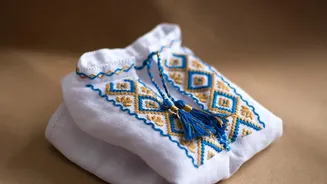
The comeback is also deeply intertwined with the growing global consciousness around sustainability. Gen Z is acutely aware of the environmental and ethical pitfalls of fast fashion. Traditional Indian textiles, like Khadi, hand-spun cotton, and those made with natural dyes, offer a compelling alternative. These fabrics are often produced with a minimal carbon footprint, supporting artisanal communities and preserving age-old skills. For this generation, choosing an upcycled piece or a handloom garment is not just an aesthetic choice but a political one. Sustainability has become a new form of status, where the story behind a garment—its maker, its material, and its impact—is as important as the design itself.
The Social Media Effect
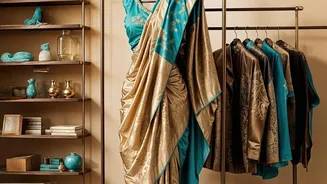
Platforms like Instagram have been instrumental in this revival. Social media has democratised fashion, allowing independent designers and small-scale artisan brands to reach a national audience. Influencers and content creators showcase innovative ways to style traditional fabrics, pairing a grandmother's vintage saree with a crop top or layering a handloom jacket over a graphic tee. Hashtags like #SlowFabric and #SustainableFashionIndia create online communities where young people share their finds, styling tips, and the stories behind their clothes. This digital exposure has made handloom aspirational and trendy for a generation that values visual storytelling and peer-driven trends.
Redefining Comfort and Function
Beyond aesthetics and ethics, there's a practical reason for this comeback: comfort. Indian textiles are often designed for the subcontinent's climate. Breathable fabrics like cotton, linen-blends, and Khadi are being fashioned into oversized, anti-fit silhouettes that offer literal and metaphorical breathing room in a hot, humid climate. Designers are creating garments engineered for modern Indian life—durable enough for a rickshaw ride and stylish enough for an impromptu meetup. This focus on functional, climate-appropriate clothing that doesn’t sacrifice style is a key driver of the trend, resonating with a generation that prioritizes comfort and practicality in their everyday wardrobe.