



The Power of Your Own Body
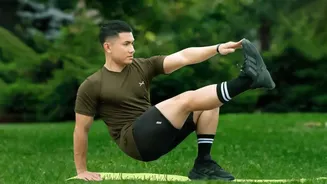
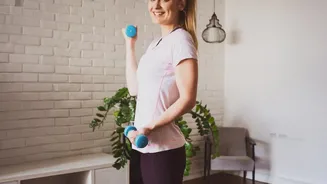
The single best piece of equipment for getting in shape is the one you already have: your body. Bodyweight exercises are incredibly effective for building functional strength, improving balance, and increasing muscle tone. They are convenient and can
be done anywhere, removing many of the common barriers that stop people from starting a fitness routine. For beginners, these exercises are perfect because they help you master foundational movements and proper form before adding external weight, which significantly reduces the risk of injury. By using your own body as resistance, you engage multiple muscle groups at once, leading to a highly efficient, full-body workout.
Warming Up: Prepare Your Body
Never jump straight into a workout. A proper warm-up is essential for preparing your muscles and joints for exercise and preventing injury. Spend at least five minutes getting your body ready. Start with some light cardio, like marching in place or gentle jumping jacks, to get your heart rate up. Follow this with dynamic stretches, which involve moving your muscles through their full range of motion. Think of arm circles, leg swings, and torso twists. This process increases blood flow to your muscles and improves flexibility, ensuring your body is primed and ready to work safely and effectively.
The Foundational Five Exercises
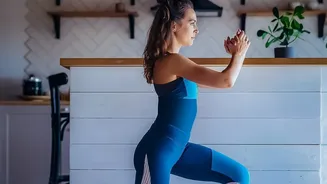
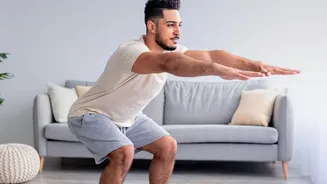
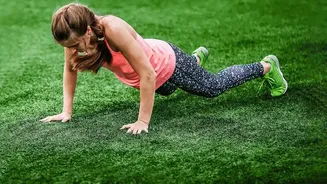
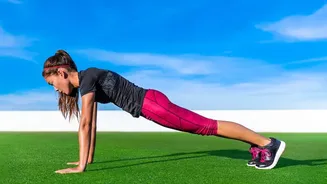
Mastering a few key movements is more effective than doing many exercises with poor form. These five exercises create a balanced, full-body routine that will build a solid foundation of strength. 1. Bodyweight Squats: This is a fundamental movement that strengthens your legs, glutes, and core. Stand with your feet shoulder-width apart. Keeping your chest up, push your hips back and bend your knees as if you are sitting in a chair. Lower yourself until your thighs are parallel to the floor, ensuring your knees track in line with your toes. Press through your heels to return to the starting position. 2. Push-Ups (Modified): The classic push-up is a powerhouse for the chest, shoulders, and triceps. Beginners can start on their knees or perform them with their hands on an elevated surface, like a sturdy table or wall. Place your hands slightly wider than your shoulders. Lower your body until your chest is near the floor, keeping your back straight. Push back up to the starting position. 3. Plank: A strong core is the bedrock of all movement, and the plank is one of the best exercises to build it. Lie on your stomach and prop yourself up on your forearms and toes, keeping your body in a straight line from your head to your heels. Engage your core by pulling your belly button towards your spine. Avoid letting your hips sag or rise too high. 4. Glute Bridges: This exercise targets your glutes and hamstrings, which are often underused in a sedentary lifestyle. Lie on your back with your knees bent and feet flat on the floor, close to your glutes. Pushing through your heels, lift your hips off the floor until your body forms a straight line from your shoulders to your knees. Squeeze your glutes at the top before slowly lowering back down. 5. Lunges: Lunges are excellent for improving balance and strengthening your quads, glutes, and hamstrings individually. Step one foot forward and lower your hips until both knees are bent at a 90-degree angle. Your front knee should be directly above your ankle, and your back knee should hover just above the ground. Push off your front foot to return to the start and alternate legs.
Putting It All Together: Your First Routine
Consistency is more important than intensity when you are just starting out. Aim to perform this workout two to three times per week on non-consecutive days to allow your muscles time to recover. For each exercise, focus on performing 10 to 15 repetitions with good form. This is one set. As you begin, aim to complete two full sets of each exercise. Rest for about 30 to 60 seconds between each set. For the plank, instead of reps, try holding the position for 20 to 30 seconds. As you get stronger, you can increase the number of reps, add a third set, or decrease your rest time. The entire workout should take about 20 minutes.