





The Science of Ripening
The secret to ripening is a natural plant hormone called ethylene gas. Some fruits, known as 'climacteric' fruits, continue to ripen after being picked by producing ethylene. Apples, bananas, mangoes, and tomatoes are famous ethylene producers. Other
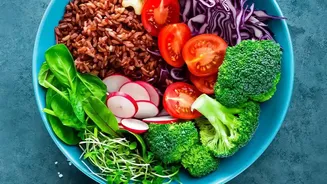
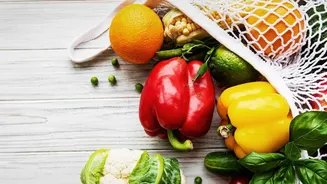
fruits and vegetables are 'non-climacteric', meaning they won't ripen any further once harvested; think of grapes, citrus, and cucumbers. Then there are ethylene-sensitive items, like leafy greens, carrots, and broccoli, which can spoil faster when stored near high-ethylene producers. The golden rule is to separate your ethylene producers from your ethylene-sensitive produce to prevent premature spoilage.
Bananas: The Fast Ripeners
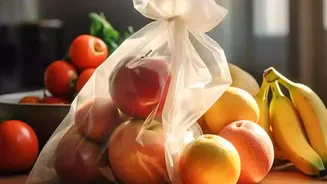
Bananas are champions of ripening, going from green to yellow and spotty in just a few days on the counter. A bunch of bananas will ripen together, as each one releases ethylene gas that encourages the others. For this reason, they are excellent for speeding up the ripening of other fruits. To slow down the browning, you can try separating the bananas and wrapping the stems in plastic. Once they reach your desired ripeness, you can move them to the fridge. The skin will turn dark, but the fruit inside will remain good for a few more days. Avoid refrigerating them while they are still green, as this can disrupt the ripening process entirely.
Avocados: A Test of Patience
The notoriously tricky avocado ripens off the tree, usually taking four to five days on a countertop to soften. A ripe avocado will yield to gentle pressure near the stem. To speed things up, place the hard avocado in a paper bag. This traps the ethylene gas it produces. For an extra boost, add a banana or an apple to the bag. This can shorten the ripening time to just a day or two. A traditional method in India for ripening mangoes, which can also be used for avocados, involves burying the fruit in a container of uncooked rice to trap ethylene. Once ripe, store avocados in the refrigerator to keep them at that perfect stage for two to three more days.
Mangoes: The Sweet Summer Staple
Like avocados, mangoes ripen best at room temperature and will feel slightly soft and have a fragrant, fruity aroma at the stem when ready. Depending on their initial maturity, this can take anywhere from a couple of days to a week. To hasten the process, the paper bag trick is effective. Another method involves placing them on a soft cloth, stem-side down, and covering them with another cloth to keep them from bruising each other while trapping ethylene. Once they are ripe, mangoes can be stored in the fridge for up to five days.
Tomatoes: Counter Is Best
Tomatoes are technically fruits and are significant ethylene producers. They develop the best flavour and texture when allowed to ripen at room temperature, away from direct sunlight. Placing unripe tomatoes on the counter will usually see them turn red and juicy within a few days. Never refrigerate whole, unripe tomatoes, as the cold temperature halts ripening and creates a bland, mealy texture. Only after they are fully ripe should they be moved to the fridge if you need to extend their life for a day or two.
Pantry Staples: Onions and Potatoes
Onions and potatoes are long-lasting but have a complicated relationship. Both should be stored in a cool, dark, and well-ventilated place like a pantry, not the refrigerator. However, they must be stored separately. Onions are ethylene producers, and storing them near potatoes can cause the potatoes to sprout prematurely. Potatoes, in turn, emit moisture that can cause onions to spoil. Kept apart in the right conditions, both can last for several weeks or even months.