




A Heritage Print for Modern Times
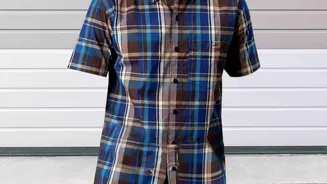
Madras check, with its roots in the city of Chennai (formerly Madras), is more than just a pattern; it's a piece of history. Traditionally handwoven from lightweight, short-staple cotton, its appeal lies in its breathability and vivid, irregular plaid
designs. After years of minimalism, fashion is embracing colour and authenticity again, making Madras check the perfect textile for 2026. Its rise is also tied to a growing appreciation for heritage Indian textiles and a shift towards natural, breathable fabrics suited for warmer climates.
Why Authentic Madras Shrinks and Bleeds
The very qualities that make Madras fabric unique are also what make it delicate. Authentic Madras is traditionally made with natural vegetable dyes, which are known to bleed. In fact, an American ad campaign in the 1960s famously turned this flaw into a feature, with the slogan "Guaranteed to Bleed" becoming a mark of authenticity. The fabric is also handwoven with a loose weave from short-staple cotton fibers, which are more prone to tightening and shrinking when exposed to heat and aggressive washing. An authentic garment can shrink by as much as ten percent if not handled correctly.
The Pre-Wash: Your First Line of Defence
Before you even think about wearing your new Madras shirt or dress, a pre-wash is essential to set the dyes and pre-shrink the fabric. Many manufacturers pre-wash garments, but if you're working with raw fabric or want to be extra cautious, this step is crucial. A common traditional method involves soaking the garment in a bucket of cold water with a half-cup of salt or white vinegar for about 30 minutes. This helps to set the vegetable dyes and minimise bleeding in subsequent washes. Gently rinse with cool water before proceeding to wash.
The Definitive Washing Guide
When it comes to washing Madras, gentleness is key. Always use cold water. Heat is the primary enemy of Madras cotton, causing both shrinkage and colour loss. Hand-washing is the safest method. Use a mild detergent and gently agitate the water, avoiding any harsh rubbing or twisting. If you must use a machine, select the delicate or hand-wash cycle with a cold-water setting. To be safe, wash Madras items separately for the first few washes or with similar dark colours to avoid any dye transfer mishaps. Never use bleach, even for spot cleaning, as it can damage the delicate fibers and strip the colour.
Drying and Ironing Do's and Don'ts
Never put your Madras garments in a high-heat tumble dryer. The intense heat will almost certainly cause significant shrinkage. The best method is to air dry your garment in the shade. Direct, harsh sunlight can fade the vibrant colours over time. Gently roll the garment in a towel to press out excess water without wringing or twisting it, which can stretch the fabric out of shape. Then, lay it flat on a drying rack or hang it on a padded hanger. If you need to iron it, do so when the fabric is still slightly damp and use a low heat setting to avoid scorching the delicate cotton fibers.