





The Ancient Grain Getting a Modern Makeover
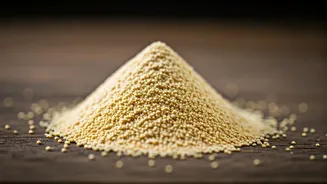
Before you dismiss amaranth as just another fleeting health food trend, let’s get one thing straight: this isn’t a new discovery. In India, we’ve known and loved it as ‘rajgira’ (the ‘royal grain’) for centuries. It’s a staple during fasting periods like
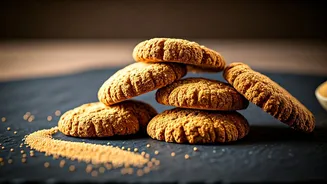
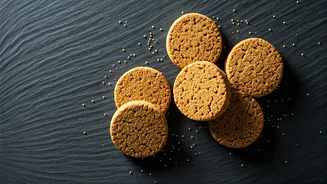
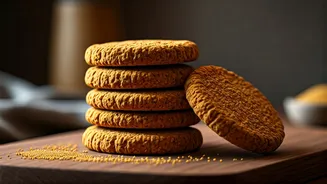
Navratri, often appearing as fluffy puris, porridge, or sweet laddoos. What’s new is its breakout role in everyday urban kitchens. The 'biscuits' you're seeing online are a testament to this shift. They take a familiar, trusted ingredient and package it into a convenient, modern format perfect for a quick breakfast or a healthy snack. The nutty, slightly earthy flavour of amaranth flour lends itself beautifully to baking, creating a biscuit that is both satisfyingly dense and delightfully crumbly.
Why Amaranth for Your First Meal?
So, why are these biscuits specifically a breakfast phenomenon? The answer lies in amaranth’s impressive nutritional profile. Unlike many refined flours, amaranth is a protein powerhouse. It contains all nine essential amino acids, making it a complete protein source—a rarity in the plant kingdom. This protein, combined with a high fibre content, helps keep you feeling full and energised for longer, preventing the mid-morning slump that often follows a carb-heavy breakfast. Furthermore, amaranth is naturally gluten-free, making it an excellent choice for those with celiac disease, gluten sensitivity, or anyone simply looking to reduce their gluten intake. It’s also rich in essential minerals like calcium, iron, and magnesium, making each biscuit a small but mighty package of morning goodness.
Your Guide to Baking the Perfect Batch
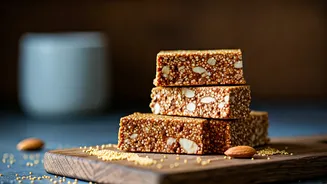
Ready to try them for yourself? The beauty of these biscuits is their simplicity. This recipe focuses on wholesome ingredients and is very forgiving for beginner bakers. **Ingredients:** - 1 cup Amaranth (Rajgira) Flour - ½ cup Rolled Oats (or almond flour for a fully grain-free version) - ½ tsp Baking Powder - A pinch of Salt - ¼ cup Jaggery Powder or Coconut Sugar - ¼ cup Ghee or Coconut Oil, melted - 2 to 4 tbsp Milk (dairy or plant-based), as needed - ½ tsp Cardamom Powder (Elaichi) - ¼ cup Chopped Nuts (almonds, walnuts) or Seeds (pumpkin, sunflower) - optional **Instructions:** 1. Preheat your oven to 180°C (350°F) and line a baking sheet with parchment paper. 2. In a large bowl, whisk together the dry ingredients: amaranth flour, oats, baking powder, salt, jaggery powder, and cardamom powder. 3. Add the melted ghee or coconut oil to the dry mixture. Use your fingertips to rub the fat into the flour until it resembles coarse breadcrumbs. 4. If you're using nuts or seeds, stir them in now. 5. Slowly add the milk, one tablespoon at a time, and mix until a soft, pliable dough forms. Be careful not to add too much liquid; the dough should not be sticky. 6. Take small portions of the dough, roll them into balls, and flatten them gently between your palms to about ½-inch thickness. Place them on the prepared baking sheet, leaving some space between each biscuit. 7. Bake for 12–15 minutes, or until the edges are golden brown. They will still be slightly soft to the touch but will firm up as they cool. 8. Let the biscuits cool on the baking sheet for a few minutes before transferring them to a wire rack to cool completely.
Tips for Biscuit Bliss
To ensure your biscuits are a success every time, keep a few things in mind. Amaranth flour absorbs a lot of liquid, so add the milk slowly to avoid a sticky mess. If the dough feels too dry, add milk; if too wet, add a little more flour. Don’t be afraid to customise! A dash of cinnamon or ginger powder can add warmth, while a handful of dried cranberries or chopped dates can add a lovely chewiness and natural sweetness. These biscuits are best stored in an airtight container at room temperature, where they will stay fresh for up to five days. They are perfect on their own with a cup of chai or coffee, or can be crumbled over a bowl of yogurt for added texture and nutrition.