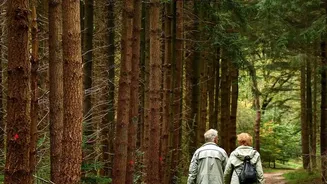








In the bustle of city life, it is easy to feel alone in a crowd. But a simple, powerful solution is gaining ground across India: social walking groups that tackle loneliness and boost fitness, one shared step at a time.
The Quiet Epidemic of Urban Loneliness
India's cities are vibrant hubs
of activity, yet a surprising number of residents feel isolated. Studies have indicated that a significant percentage of urban Indians experience feelings of loneliness, a phenomenon driven by long work hours, migration for jobs, the shift towards nuclear families, and digital lives that often substitute for genuine human contact. This sense of disconnection is more than just a fleeting feeling; chronic loneliness has been linked to increased risks of depression and other serious health conditions, making the search for community more important than ever. It’s a paradox of modern life: being surrounded by millions, yet feeling deeply alone.
A Simple, Powerful Antidote
Enter the walking club. Its beauty lies in its simplicity. Unlike expensive gyms or high-intensity workouts that can be intimidating, walking is free, requires no special equipment beyond a comfortable pair of shoes, and is accessible to almost all fitness levels. This low-pressure environment is a key reason for its growing appeal. The focus shifts from intense, individual performance to gentle, consistent movement in a social setting. More importantly, these groups provide a structured yet informal setting for people to connect, which can feel less daunting than a purely social event. The shared activity of walking provides a natural icebreaker, fostering easy conversation and a sense of shared purpose.
More Than Just Physical Fitness
While the physical benefits of walking are well-documented—from improved heart health to better sleep—the mental and social rewards of group walking are profound. Exercise releases endorphins, the body's natural mood-boosters, which help reduce stress and create feelings of happiness. When you add a social element, the positive effects are amplified. Regular, friendly contact strengthens social bonds and directly combats feelings of loneliness. Studies have shown that group walks, especially in green spaces like parks, can lead to greater improvements in mood and self-esteem compared to walking alone. The rhythmic, shared movement can break down social barriers, making it easier to form organic friendships.
Finding a Community on Foot
Across India, thousands of people are discovering these benefits. In cities like Mumbai, Delhi, and Bengaluru, walking clubs are turning public spaces like Marine Drive, Lodhi Garden, and Cubbon Park into vibrant hubs for community fitness. Groups such as 'Gurgaon Walkers Group' and women-centric communities like 'City Girls Who Walk Delhi' are bringing people together for regular strolls. These gatherings aren't just about the walk itself; they often extend to post-walk conversations over chai or breakfast, further strengthening the newly formed bonds. They offer a chance to explore the city at a slower pace, turning neighbourhood parks and quiet backstreets into spaces for connection.
How to Join the Movement
Finding a walking group is easier than ever. Online platforms like Meetup host numerous walking and hiking groups in major Indian cities, catering to various interests and fitness levels. Many groups also coordinate through social media. You can also look for notices at local community centres, places of worship, or even within your own residential society or workplace. If you can’t find a group that fits your schedule, starting one is simple. All it takes is reaching out to a few friends, neighbours, or colleagues and setting a time and place for your first walk. The key is to start small and keep it consistent.