






The Great Oil Divide: Refined vs. Cold-Pressed
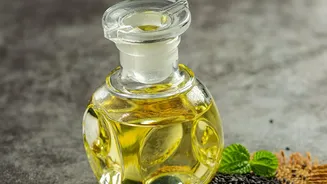
The fundamental difference between refined and cold-pressed oils lies in their extraction and processing. Cold-pressed oils are extracted using a mechanical press without high heat or chemicals. This gentle process, used for oils like cold-pressed groundnut,
coconut, and sesame, helps retain natural flavours, colours, aromas, and a higher concentration of nutrients like antioxidants and vitamins. The downside is often a shorter shelf life and a lower smoke point. Refined oils, on the other hand, undergo significant processing. After initial extraction, they are treated with processes like bleaching, deodorising, and heating to remove impurities. This results in a neutral-tasting oil with a lighter colour, longer shelf life, and, most importantly, a much higher smoke point. Common examples in Indian kitchens include refined sunflower, soybean, and groundnut oils. While this makes them stable for high-heat cooking, the process strips away many of the natural nutrients and flavours found in their cold-pressed counterparts.
What Is a Smoke Point, and Why Does It Matter?
An oil's smoke point is the temperature at which it stops shimmering and starts to produce a visible, bluish smoke. This isn't just a sign of a very hot pan; it's a signal that the oil is breaking down chemically. When an oil exceeds its smoke point, its fat molecules degrade, destroying beneficial nutrients and forming harmful compounds, including free radicals. One of the most notable is acrolein, the same pungent compound found in cigarette smoke that gives burnt food its acrid taste and can irritate your eyes and throat. Consistently cooking with oil past its smoke point not only ruins the flavour of your food but can also introduce these unwanted substances into your diet. Therefore, matching your cooking method to an oil's smoke point is crucial for both taste and health.
High-Heat Heroes: When to Use Refined Oils
Refined oils are the undisputed champions of high-temperature cooking, thanks to their high smoke points, which are typically above 200°C. They are the ideal choice for methods like deep-frying puris, samosas, and pakoras, as well as for searing and high-heat stir-frying where the pan needs to be very hot. Their neutral flavour profile also ensures they won't interfere with the taste of your spices and ingredients. Popular refined oils for high-heat cooking in India include: - Ghee (Clarified Butter): With one of the highest smoke points at around 250°C, ghee is perfect for frying and tadkas. - Refined Mustard Oil: A staple in many regions, it has a high smoke point of around 250°C, making it excellent for deep-frying fish or vegetables. - Refined Groundnut (Peanut) Oil: A restaurant favourite for frying, with a smoke point of about 230°C. - Rice Bran & Sunflower Oils: These are versatile, affordable choices with smoke points around 225-230°C, suitable for almost all forms of high-heat cooking.
Flavour and Nutrients: The Cold-Pressed Advantage
Cold-pressed oils shine in low-to-medium heat applications where their rich flavours and nutritional benefits can be preserved. They are perfect for preparing sabzis, light sautéing, making dressings, or drizzling over finished dishes for a burst of aroma. Their smoke points are generally lower, often between 160°C and 180°C. For a typical Indian tadka or sauté, which happens around 120-160°C, these oils are well within a safe range. For instance, cold-pressed mustard oil is traditionally heated until its first wisp of smoke to mellow its pungency before spices are added. Common cold-pressed oils and their uses include: - Cold-Pressed Groundnut Oil (~160°C): Great for sautéing and light stir-frying. - Cold-Pressed Sesame and Coconut Oil (~177°C): Excellent for South Indian cooking, curries, and tadkas that don't require extreme heat. - Extra Virgin Olive Oil (~160°C): Best reserved for salad dressings and drizzling, as it is not suited for the high heat of Indian frying.