





A Story in Every Drape
This trend is about more than just recycling; it's a way to give treasured textiles a new lease on life. Many vintage sarees carry immense sentimental value, from a mother's wedding Banarasi to a grandmother's Kanjivaram. Turning them into curtains allows
these heirlooms to be seen and appreciated every day, transforming a simple window into a canvas of personal history. This practice aligns with a broader shift towards sustainable and personalized interiors, where homeowners are rejecting mass-produced decor in favour of items that tell a story. Using what you already have is the ultimate form of sustainable luxury, reducing textile waste while creating something utterly unique.
Choosing the Right Saree
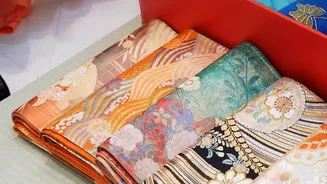
While the idea is romantic, practicality is key. Not all sarees are created equal when it comes to drapery. Sturdier silks like Kanjivaram, Banarasi, or heavy Mysore silk are ideal as they drape beautifully and can withstand their own weight. The intricate borders and rich pallus of these sarees become built-in design elements. Lighter fabrics such as chiffon or georgette can also be used, but they work best as sheer, layered curtains rather than standalone drapes. It's also wise to inspect the saree for any significant damage. While small flaws are part of their charm, large tears might compromise the curtain's integrity. Also consider the room's colour scheme and how the saree's patterns and hues will complement the existing decor.
The Simple Transformation
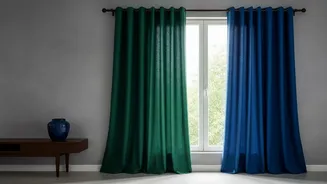
Creating saree curtains doesn't have to be a complex project. The simplest, no-sew method involves using curtain clips. You simply fold the top edge of the saree over and attach the clips at regular intervals before sliding them onto a curtain rod. This method preserves the saree entirely. For a more tailored look, a basic running stitch can be used to create a channel or 'rod pocket' at the top. If you have multiple sarees, they can be stitched together to create wider, more dramatic patchwork panels. For those who are not confident in their sewing skills or are working with a particularly precious textile, a local tailor can easily and affordably complete the task, often adding a cotton lining for extra durability and light-blocking.
Styling and Integrating Your Drapes
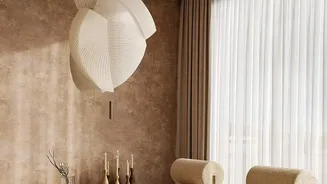
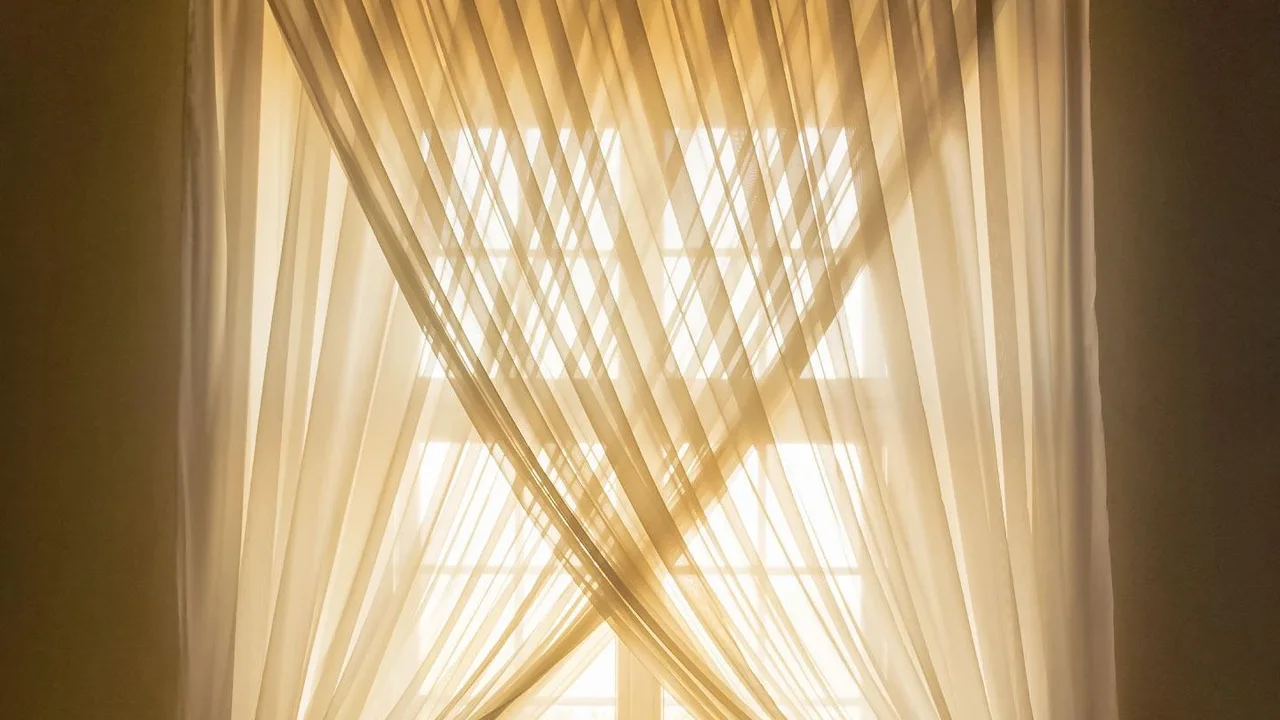
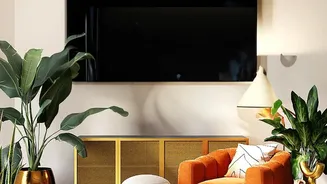
Saree drapes can become the focal point of any room. To make a bold statement, use a single, brightly coloured or heavily patterned saree as an accent panel between two neutral curtains. For a more opulent and traditional feel, use multiple matching sarees to cover a large window. Layering is another effective technique; a sheer saree curtain can be placed behind heavier drapes to filter light softly during the day. The rich colours and textures of silk pair beautifully with natural materials like wood and brass, as well as indoor plants, enhancing a biophilic or earthy interior design scheme. The key is to let the saree's character guide the room's aesthetic.
Care and Preservation
Silk is a strong but delicate fibre that requires mindful care. To maintain the vibrancy of your saree drapes, it's best to avoid hanging them in direct, harsh sunlight, which can cause the colours to fade over time. A cotton lining can help protect the silk from sun damage. Regular dusting with a soft brush or a gentle vacuum attachment is usually sufficient for routine cleaning. If a deeper clean is needed, professional dry cleaning is the safest option for most silk fabrics. Hand-washing in cold water with a mild detergent is possible for some silks, but the fabric should never be wrung out, as this can damage the fibres.