






A Greener Footprint in Your Glass
The primary driver behind the surge in pea and hemp milk is sustainability. As consumers become more aware of the environmental cost of their food, these options stand out. Almond milk, a long-time favourite, is incredibly water-intensive, with some estimates
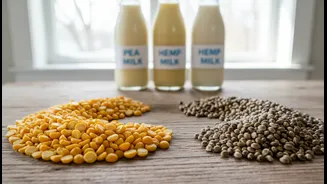
suggesting it takes over 12 litres of water to grow a single almond. In contrast, pea cultivation is far less thirsty. Yellow peas, the source of pea milk, are often grown in regions with higher rainfall, reducing the need for extensive irrigation. Moreover, peas are nitrogen-fixing crops. This means they naturally enrich the soil, reducing the need for chemical fertilisers which have their own carbon footprint.
Hemp: The Resilient All-Rounder
Hemp is another environmental champion in the plant kingdom. It's a hardy and versatile crop that requires significantly less water than many other industrial crops like cotton. It grows densely, which helps to naturally suppress weeds, reducing the need for herbicides. Hemp also boasts a deep root system that improves soil structure and prevents erosion. The plant is incredibly efficient, sequestering large amounts of carbon from the atmosphere as it grows. Because the entire plant can be used for everything from textiles and building materials to food, it represents a highly sustainable, low-waste agricultural model.
A Nutritional Powerhouse
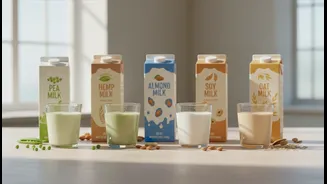
While sustainability is a major draw, popularity requires a product to deliver on health and nutrition. This is where pea and hemp milk truly shine. Pea milk is a protein heavyweight, often containing around 8 grams of protein per cup, comparable to dairy milk and significantly more than almond or oat milk. It’s also frequently fortified with calcium, vitamin D, and vitamin B12, making it a well-rounded nutritional choice. Hemp milk is a unique source of healthy fats, including omega-3 and omega-6 fatty acids, and also provides a complete protein. Although its protein content is generally less than pea or soy milk, it's higher than almond or rice milk.
Winning Over Taste Buds
For any milk alternative to succeed, it has to perform well in a cup of coffee, a bowl of cereal, or simply on its own. Pea milk has gained fans for its surprisingly neutral taste and creamy texture, which is often compared favorably to cow's milk. This makes it a versatile option for those who find the nutty or grainy flavours of other alternatives off-putting. While some early versions were criticised for a 'grassy' or 'beany' aftertaste, newer formulations have largely overcome this. Hemp milk has a slightly nuttier, earthier flavour and a creamy consistency that works well in smoothies and other preparations. Consumer acceptance of taste is a critical factor, and both milks are increasingly passing the test.
The Trend in India
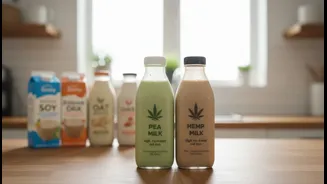
In India, the plant-based dairy market is experiencing significant growth, driven by rising health consciousness, environmental concerns, and a high prevalence of lactose intolerance. While soy and almond milk currently dominate the market, there is a growing appetite for new and sustainable options. Leading plant-based dairy brands in India saw over 20% growth in 2024. As consumers become more educated about the environmental impact of food choices, the sustainability narrative of pea and hemp milk positions them well for future growth in the Indian market, which is projected to expand significantly in the coming years.