



Planning Your Monsoon Drive
A trip to Agumbe during the monsoon requires more than just a full tank of fuel. The journey is approximately 350-380 km and takes about seven to eight hours. Given the challenging conditions, especially in the ghat section, consider breaking the journey with
an overnight stop in Hassan or Chikmagalur. Accommodation in Agumbe is limited primarily to homestays, like the famous Doddamane from the TV series 'Malgudi Days', so booking in advance is crucial. Pack waterproof gear, insect repellent, and a basic emergency kit for your car, including a tyre inflator. GPS signals can be unreliable in the dense forest, so carrying a physical map or an offline version is a wise precaution.
Choosing Your Route
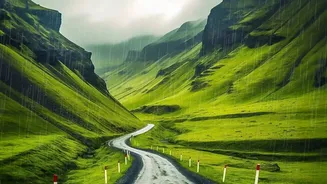
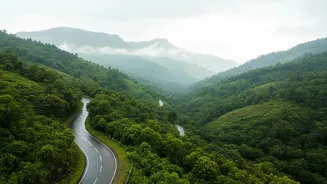
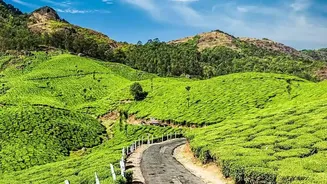
The most common route from Bangalore is via NH75 through Hassan, Belur, and Sringeri, or via Tumkur and Shimoga before heading to Thirthahalli and then Agumbe. Both routes offer excellent roads for a significant portion of the drive, but they eventually lead to the winding and narrow ghat roads that define the final approach to Agumbe. An alternative route through Chikmagalur is slightly longer but rewards drivers with some of the most picturesque scenery in the Malnad region. Regardless of the path chosen, the drive post-Thirthahalli becomes a true test of skill, with sharp curves and mist that can dramatically reduce visibility.
Monsoon Driving and Safety Essentials
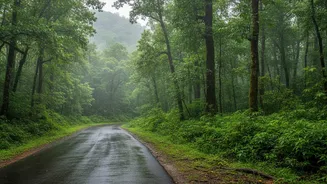
Driving in the Western Ghats during the monsoon is not for the faint-hearted. The Agumbe Ghat road (NH-169A) has several hairpin bends and can be treacherous. Ensure your vehicle is in top condition, with special attention to tyres, wipers, and brakes. Heavy rains make roads slippery, so maintaining a moderate speed and a safe distance from other vehicles is essential. Honk on blind turns to alert oncoming traffic. Due to the risk of landslides and falling trees, authorities often restrict heavy vehicle traffic on the ghat during peak monsoon, which can make the drive smoother for cars but requires constant vigilance. Avoid travelling through the ghat section at night when visibility is at its lowest.
Must-Visit Rainforest Photo Spots
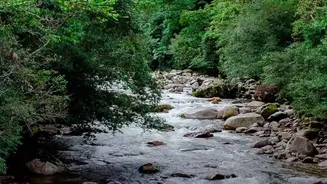
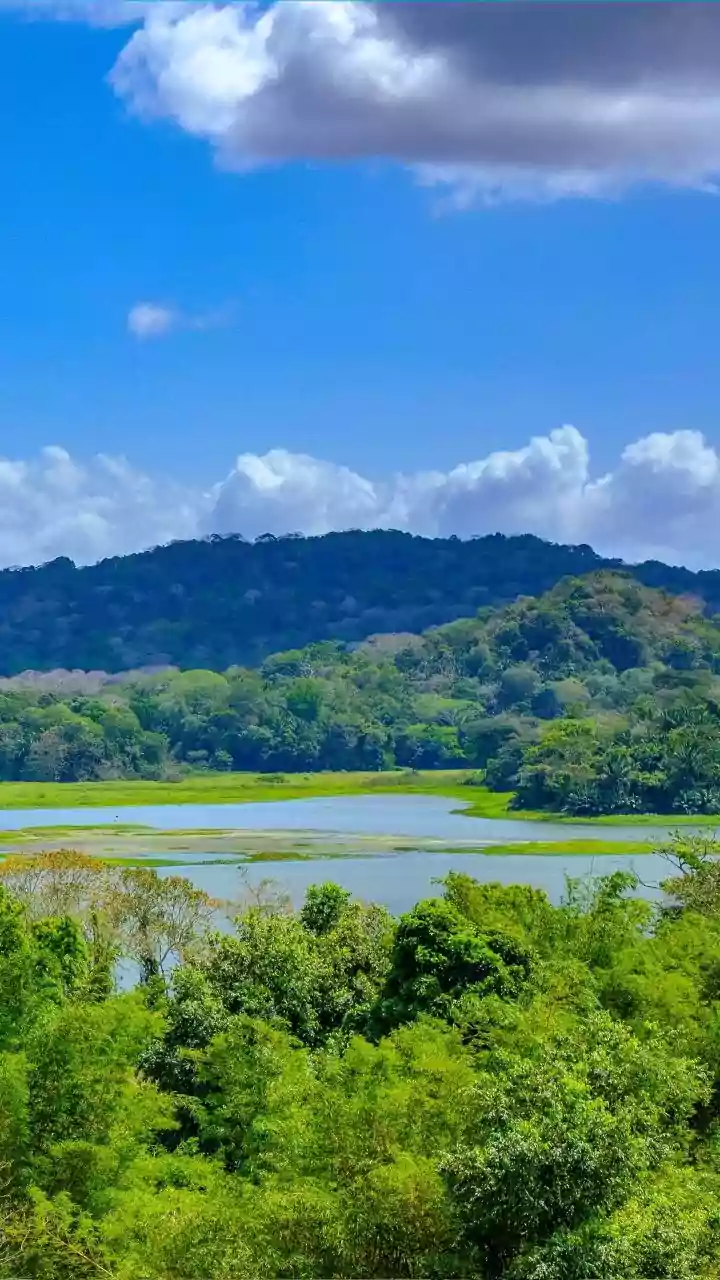
The reward for the challenging drive is the stunning, rain-washed landscape. Agumbe is a photographer’s paradise, offering countless opportunities to capture the magic of the monsoon. The Sunset View Point, located near the top of the ghat, provides breathtaking views of the valley blanketed in clouds, though sunsets are a rare treat during the rains. For waterfall enthusiasts, the region is home to several cascades like Onake Abbi Falls, Barkana Falls, and Jogi Gundi Falls, which are at their most powerful during this season. However, access to some waterfalls may be restricted by local authorities due to high water levels, so always check beforehand. The lush surroundings of Kundadri Hill and the ancient Kavaledurga Fort also offer spectacular panoramic shots of the rainforest.
Experiencing Agumbe's Charm
Beyond the drive, Agumbe offers a unique experience. This is the land of the King Cobra, and the Agumbe Rainforest Research Station (ARRS) does incredible work in conservation and research. While a visit might require prior permission, the area's biodiversity is evident everywhere. You can spot a variety of frogs, reptiles, and birds right from your homestay. Enjoying authentic Malnad cuisine, served hot on a rainy day, is an experience in itself. Remember that Agumbe is a fragile ecosystem. Travel responsibly, avoid leaving behind plastic, and respect the tranquility of this rainforest haven.