



From Sight to Soundwaves
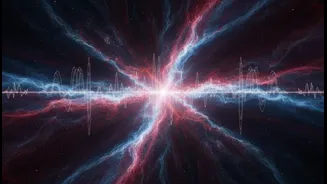
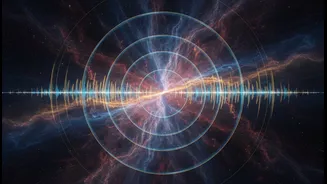
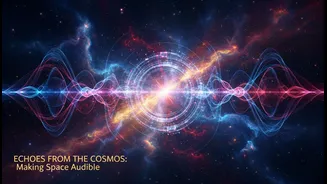
The process behind this cosmic concert is called data sonification. For decades, NASA has translated digital data from telescopes like the Chandra X-ray Observatory into stunning images. Sonification takes that same data—streams of ones and zeroes—and
maps it to sound instead of light. Different properties of the astronomical object are assigned different audio characteristics. For example, the brightness of an X-ray source might control the volume, while its position in the image could determine the pitch. A scan across the image, often from left to right or in a radar-like sweep, then plays the data as a unique piece of audio, transforming a silent picture into a rich soundscape.
The Haunting Wail of a Black Hole
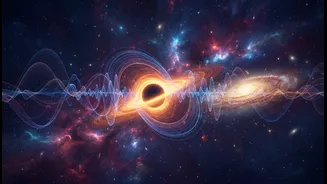
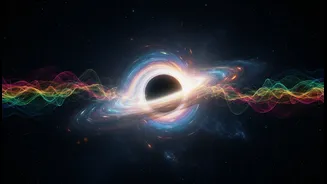
One of the most famous examples of this project is the sound of the supermassive black hole at the center of the Perseus galaxy cluster, located about 240 million light-years away. Unlike other sonifications based on light, this one is derived from actual sound waves—pressure ripples that the black hole creates in the surrounding hot gas. These cosmic notes are real, but they are far too low for human ears to detect, vibrating at a frequency 57 octaves below middle C. To make them audible, NASA scientists scaled up the frequency quadrillions of times. The result is a deep, otherworldly groaning that provides a completely new and slightly eerie way to comprehend the immense power of a black hole.
A Symphony of Cosmic Objects
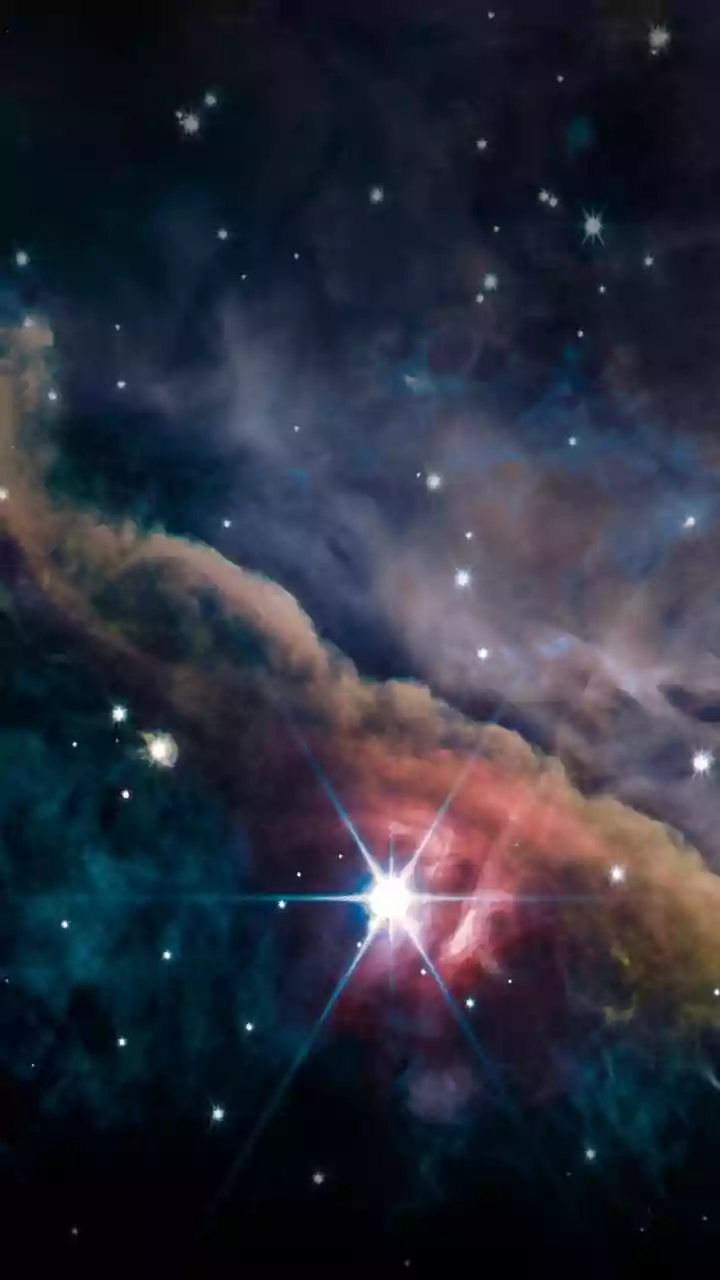
NASA's sonification project, which formally began in 2020, extends far beyond a single black hole. A whole orchestra of cosmic objects has been given a voice. Data from multiple telescopes, including the Chandra X-ray Observatory, Hubble Space Telescope, and James Webb Space Telescope, are often combined to create complex compositions. You can listen to the energetic crackle of the Crab Nebula, the ethereal tones of the Pillars of Creation, or the complex interplay of sounds within the spiral galaxy M74. Each sonification assigns different instruments or sound textures to different data types; X-rays might become piano notes, infrared data could be represented by string instruments, and bright stars may sound like percussive chimes.
More Than Just Music
While these cosmic sounds are captivating to the public, the project has a deeper scientific and accessibility-focused purpose. It was initially started to help blind and low-vision communities experience the wonders of space in a new, tangible way. By representing data through sound, individuals can perceive patterns, structures, and details that are typically only accessible visually. This auditory approach can also benefit scientists. Listening to data can sometimes reveal subtle variations or patterns that might be missed in a purely visual analysis. It provides another tool for discovery, helping researchers to explore and interpret the vast amounts of information flowing from NASA’s telescopes in a completely different sensory dimension.