







The Monsoon's Fury Hits The Highway
The romance of a Spiti road trip has always been balanced by its inherent risks, but the monsoon of 2026 is proving particularly challenging. Heavy rainfall has triggered a series of landslides and flash floods across Himachal Pradesh, severely impacting
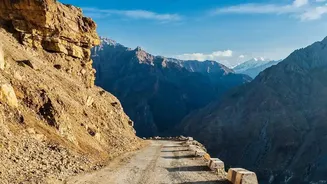
the two main arteries to the high-altitude desert valley. The India Meteorological Department (IMD) has issued several alerts, warning of heavy to very heavy rainfall, which often translates to treacherous road conditions. For travelers, this means that roads can be closed with little to no warning, turning a well-planned itinerary on its head. Incidents of tourists getting stranded due to sudden road closures are not uncommon, sometimes requiring rescue operations.
Key Routes Under Pressure
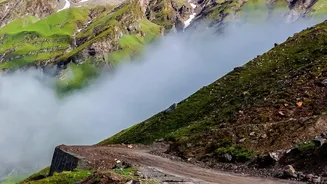
Spiti is accessible via two primary routes: from Shimla via Kinnaur (NH-5) and from Manali via the Atal Tunnel and Kunzum Pass. Both are currently under immense pressure. The Shimla-Kaza route, traditionally considered the more reliable, all-weather option, is highly exposed to monsoon landslides, particularly on the stretches between Wangtu and Sumdo. Areas like Malling Nalla and the stretch near Nigulsari are notorious for rockfalls and road washouts during heavy rains. The Manali-Kaza route, while shorter, features the difficult Gramphu to Batal stretch, which is prone to becoming a slushy track with numerous water crossings during the monsoon. While both routes were reported open as of mid-July, their status is extremely fluid and can change within hours. A rainfall alert active until mid-August means travelers must remain vigilant.
The Bigger Picture: Climate and Geology
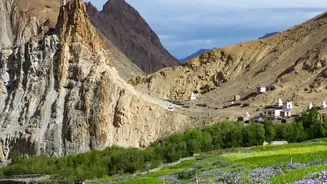
These disruptions are more than just a seasonal nuisance; they are a symptom of a larger issue. The fragile geology of the young Himalayan mountains makes them inherently susceptible to erosion and landslides. This is now being amplified by changing weather patterns. Climatologists and locals have observed that rainfall intensity has increased in recent years. Instead of gentle drizzles, the region now often experiences short, intense downpours that saturate the soil quickly, leading to landslides. While Spiti itself is a rain-shadow area and receives minimal rainfall, the approach roads run through the full force of the monsoon. This makes the journey to the dry desert valley a wet and unpredictable affair.
Rethinking Your Spiti Travel Plans
Given the current situation, a spontaneous trip to Spiti during the monsoon is ill-advised. Planning is paramount. The first rule is to build buffer days into your itinerary—at least two to three extra days are recommended. This allows you to wait out a road closure without derailing your entire trip. The Shimla-Kinnaur route is still generally recommended for entry as the gradual ascent helps with acclimatization, a critical factor for preventing acute mountain sickness. However, its reliability during peak monsoon is no longer a guarantee. Always verify the road status from multiple official sources, such as the district administration pages and local police, on the day of travel. Do not rely solely on GPS, which often fails to register real-time closures.
An Essential Safety Checklist
Traveling to Spiti in these conditions demands respect for the mountains and a commitment to safety. Hiring an experienced local driver who understands the terrain and its risks is the single best decision you can make. They are adept at navigating treacherous patches and are connected to a network that provides real-time road status updates. Avoid driving at night at all costs. Carry a basic emergency kit with first-aid supplies, extra food, water, and warm clothing. Ensure your vehicle, especially if it's a 4x4, is in excellent condition. Most importantly, maintain a flexible mindset. The mountains dictate the terms, and sometimes the safest and most responsible decision is to wait, or even turn back. Be prepared for delays and remember that the journey is as much a part of the adventure as the destination.