







A Powerhouse of Nutrition
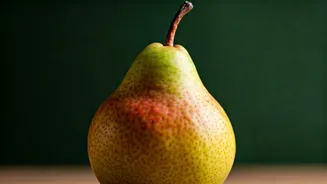
Often overshadowed by apples, pears are a nutritional force to be reckoned with. A single medium-sized pear is packed with goodness while being low in calories. It is an excellent source of dietary fibre, offering about 6 grams, which is over 20% of the
daily requirement for an adult. Pears are also a good source of Vitamin C, an essential antioxidant for immunity, and Vitamin K, which is important for bone health and blood clotting. Furthermore, they provide vital minerals like potassium, which supports heart health and muscle function.
A Champion for Gut Health
One of the standout benefits of pears is their incredible effect on digestive health. The high fibre content, which includes both soluble and insoluble types, helps maintain regular bowel movements and prevent constipation by softening and bulking up stool. Pears are particularly rich in a soluble fibre called pectin, which acts as a prebiotic. This means it feeds the beneficial bacteria in your gut, promoting a healthy and balanced microbiome, which is crucial for overall digestion and even immune function.
A Smart Choice for Blood Sugar Management
For those managing or concerned about diabetes, pears can be a wise fruit choice. They have a low glycemic index (GI), typically ranging from 20 to 49, meaning they don't cause a rapid spike in blood sugar levels. The high fibre content plays a key role here, slowing down the absorption of sugar into the bloodstream. Some studies even suggest that anthocyanins, the antioxidants that give some pears their reddish colour, may be linked to a lower risk of developing type 2 diabetes. Of course, portion control is still important, but a whole pear can be a satisfying and safe sweet treat.
Boosting Heart and Immune Health
Pears contribute significantly to a healthy heart and a robust immune system. The potassium in pears is essential for regulating blood pressure, while powerful antioxidants like procyanidin and quercetin may help reduce stiffness in heart tissue and lower 'bad' LDL cholesterol. The skin of the pear is particularly nutrient-dense, containing a high concentration of these antioxidants. For immunity, the Vitamin C in pears is a well-known soldier, stimulating the production of white blood cells to fight off infections, a benefit especially useful during India's changing seasons.
How to Enjoy Pears in an Indian Diet
Integrating pears into your diet is simple and versatile. India cultivates several varieties, from the juicy Bartlett to the firm Punjab Nakh, available from late summer through early winter. The easiest way to enjoy them is to eat them fresh, with the skin on, to get the maximum fibre and nutrients. They make a great addition to morning porridge or a crunchy element in a fresh salad. For a uniquely Indian twist, firm pears can be used to make a sweet and sour 'Pear Masala' sabzi to be eaten with rotis, or even a 'Pear Halwa' for a healthier dessert alternative. When choosing pears, opt for firm ones with smooth skin, avoiding any with bruises.